Unlock Faster Recovery Between Seasons
Multi-sport athletes are busy in late spring. Club seasons overlap, early summer tournaments start up, and there is barely a free weekend on the calendar. Bodies get sore, sleep gets short, and there is not much time to reset between games or meets.
That is where contrast therapy for muscle recovery can help. By switching between hot and cold in a planned way, athletes can support tired muscles, calm sore joints, and feel more ready for the next session. It is a simple idea, but when it is done with control and consistency, it can become a powerful part of an in-season recovery plan.
Traditional ice baths and hot tubs have been around for a long time. At ORX Healthcare, we focus on advanced temperature therapy and compression devices that bring more accuracy and control to those old methods, so recovery fits the real demands of dense competition schedules.
What Contrast Therapy Does Inside Your Muscles
Contrast therapy means moving back and forth between heat and cold for short periods. Think warm water or localized heat, then a quick switch to cold, then back again. Each change in temperature nudges your circulation to respond.
Here is what is happening inside your body during contrast therapy for muscle recovery:
- Heat helps open up blood vessels and relax tight tissue
- Cold helps narrow blood vessels and can limit swelling
- The repeated change creates a kind of "pumping" effect in the tissues
That pumping can help move metabolic waste out of tired muscles and bring in fresh blood with oxygen and nutrients. For athletes who rack up a lot of sprints, jumps, and changes of direction, this can support recovery between sessions.
Contrast therapy also affects the nervous system. Shifts in temperature can:
- Decrease how strongly pain signals are felt
- Lower the feeling of heavy soreness after intense work
- Encourage a calmer, more relaxed state after high-stress competition
For multi-sport athletes who rarely get full rest days, these effects matter. When your body never fully recovers, small aches can build up into bigger problems. A smart contrast routine will not erase fatigue, but it can help reduce leftover soreness, so tissues are not always starting the next practice in a stressed state.
Why Multi-Sport Athletes Benefit the Most
Playing more than one sport in late spring and early summer sounds fun, but it is tough on the body. One day you are cutting on grass, the next you are sprinting on a track or stopping hard on a court. Each surface, shoe, and movement pattern hits your muscles, tendons, and joints in a slightly different way.
That stacked stress can show up as:
- Tight calves and hamstrings from repeated sprinting
- Achy knees and hips from constant cutting and landing
- Sore shoulders and backs from throwing or swinging
Because there is often no long break between events, those small micro-injuries do not get much time to settle down. Contrast therapy for muscle recovery can help manage this load. By supporting circulation and calming soreness, it can help:
- Reduce delayed onset muscle soreness (DOMS) after heavy efforts
- Keep joints feeling less stiff between multi-day tournaments
- Maintain more consistent power and speed across the week
There is also a scheduling perk. Contrast sessions can be short and targeted. That makes them realistic for:
- Student-athletes juggling school, travel, and practices
- Weekend warriors with families and full-time jobs
- Competitive athletes who train early in the morning or late at night
Instead of needing a full spa setup, a simple, structured routine can fit into small pockets of time around training.
Building an in-Season Contrast Therapy Routine
A good contrast routine should feel planned, not random. The right setup can shift a "nice extra" into a steady tool in your recovery plan.
Typical guidelines for contrast therapy for muscle recovery include:
- Warm range: generally warm, not scalding
- Cold range: cool to cold, but still safe and tolerable
- Interval length: short blocks, such as 2 to 4 minutes warm, 1 to 2 minutes cold
- Cycles: repeat those blocks several times
- Total time: keep the full session within a reasonable window, depending on how hard you trained
Here are some common in-season scenarios:
- After a double-header: focus on legs and hips with several short cycles to help reduce swelling and stiffness
- After a track meet followed by club practice: use a shorter, lighter session aimed at calves, quads, and hamstrings
- During weekend tournaments: brief sessions at the end of each day to help you feel less heavy for the next morning
Safety and personalization are key. It is important to:
- Avoid very extreme hot or cold, especially if you have circulation or heart concerns
- Shorten sessions if you are younger, new to contrast, or coming back from injury
- Adjust based on sport, training load, and how your body feels that day
- Check with a medical professional or athletic trainer if you have any health questions or existing conditions
The goal is not to "tough it out" but to find a routine that supports your body without adding extra stress.
Elevating Contrast Therapy with Smart Technology
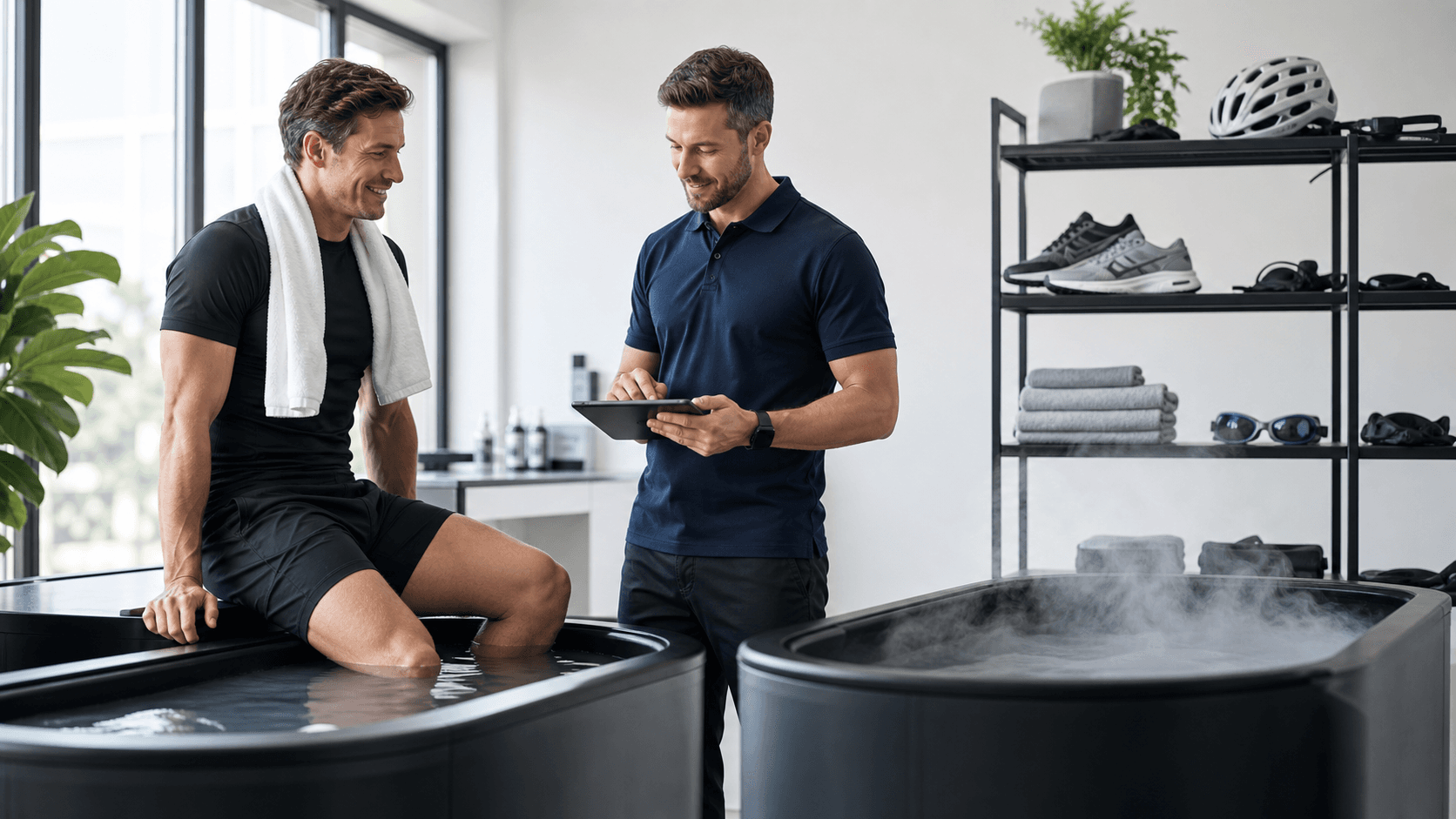
Many athletes first try contrast with home baths, showers, or ice bags. These methods can help, but they are hard to control. Temperatures change over time, and it is tough to repeat the same routine session after session.
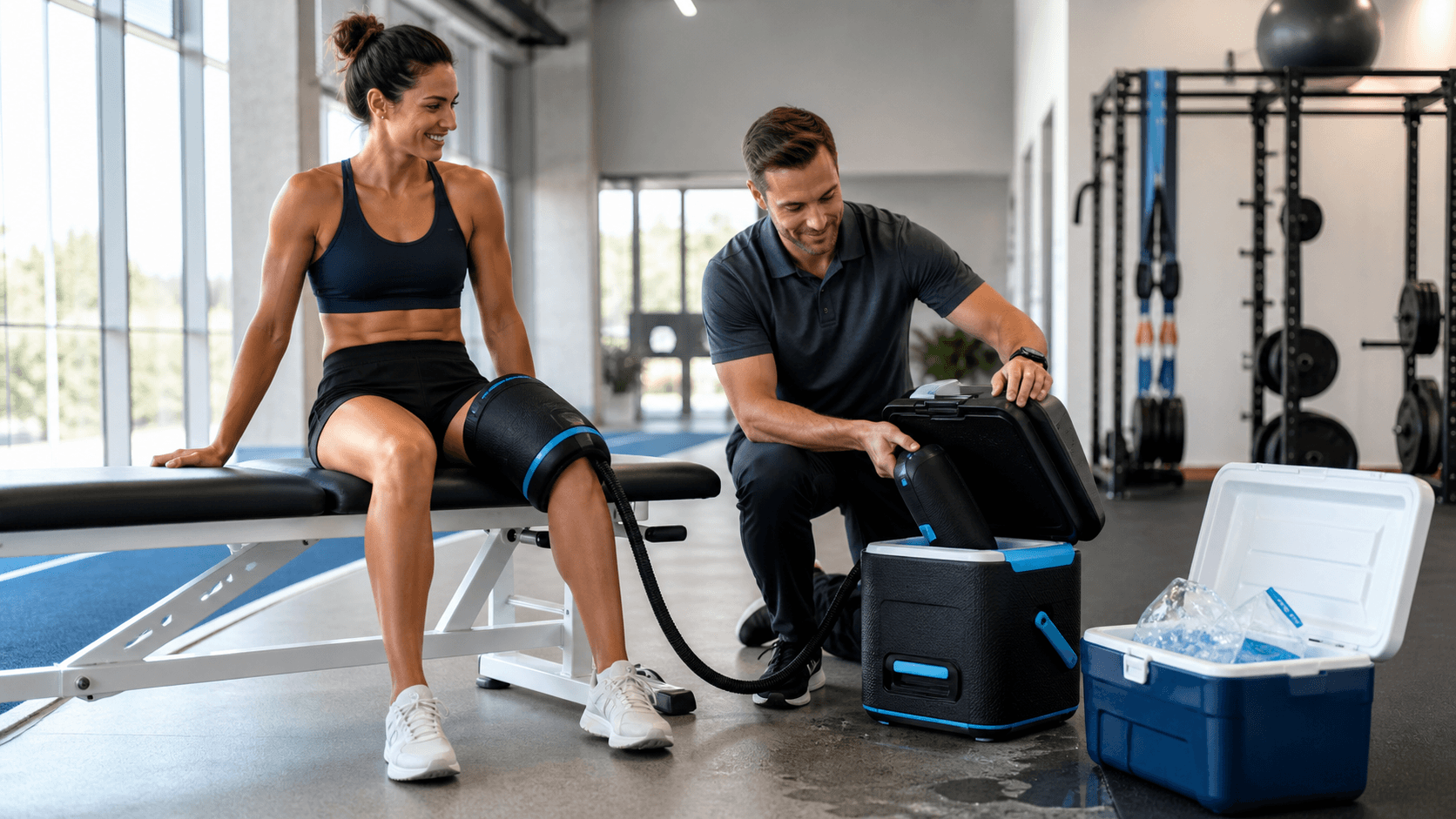
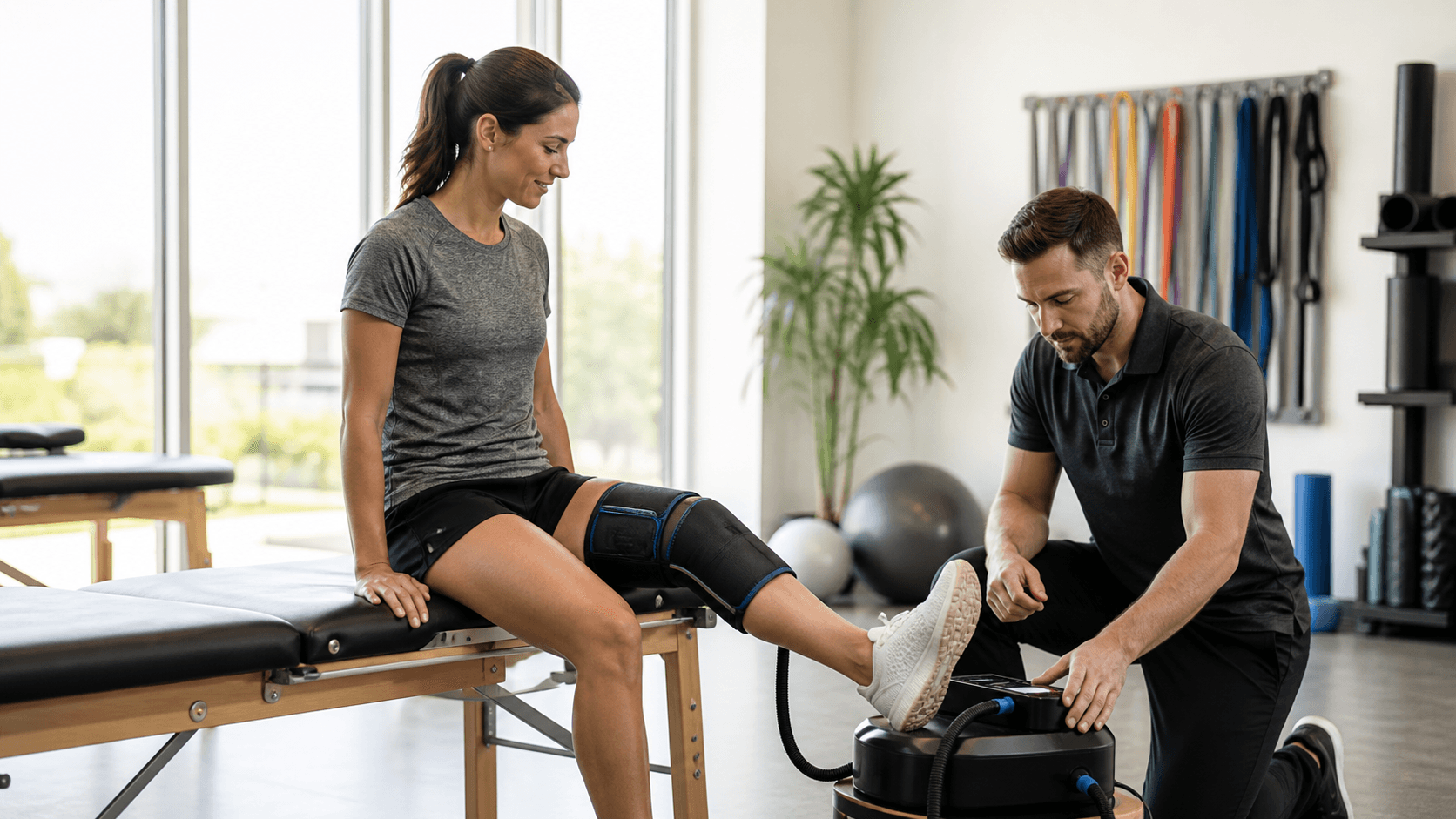
At ORX Healthcare, we focus on advanced temperature therapy and compression devices that bring more precision to contrast therapy for muscle recovery. With controlled systems, you can:
- Set and keep specific temperatures for hot and cold
- Run consistent timing and cycle patterns
- Focus on particular areas, such as knees, ankles, or shoulders
When you add compression to temperature therapy, you support the body in a different way. Gentle compression can:
- Help venous return so blood moves back toward the heart
- Limit extra swelling in overworked joints and soft tissue
- Target high-load zones, such as lower legs for field sports or shoulders for overhead sports
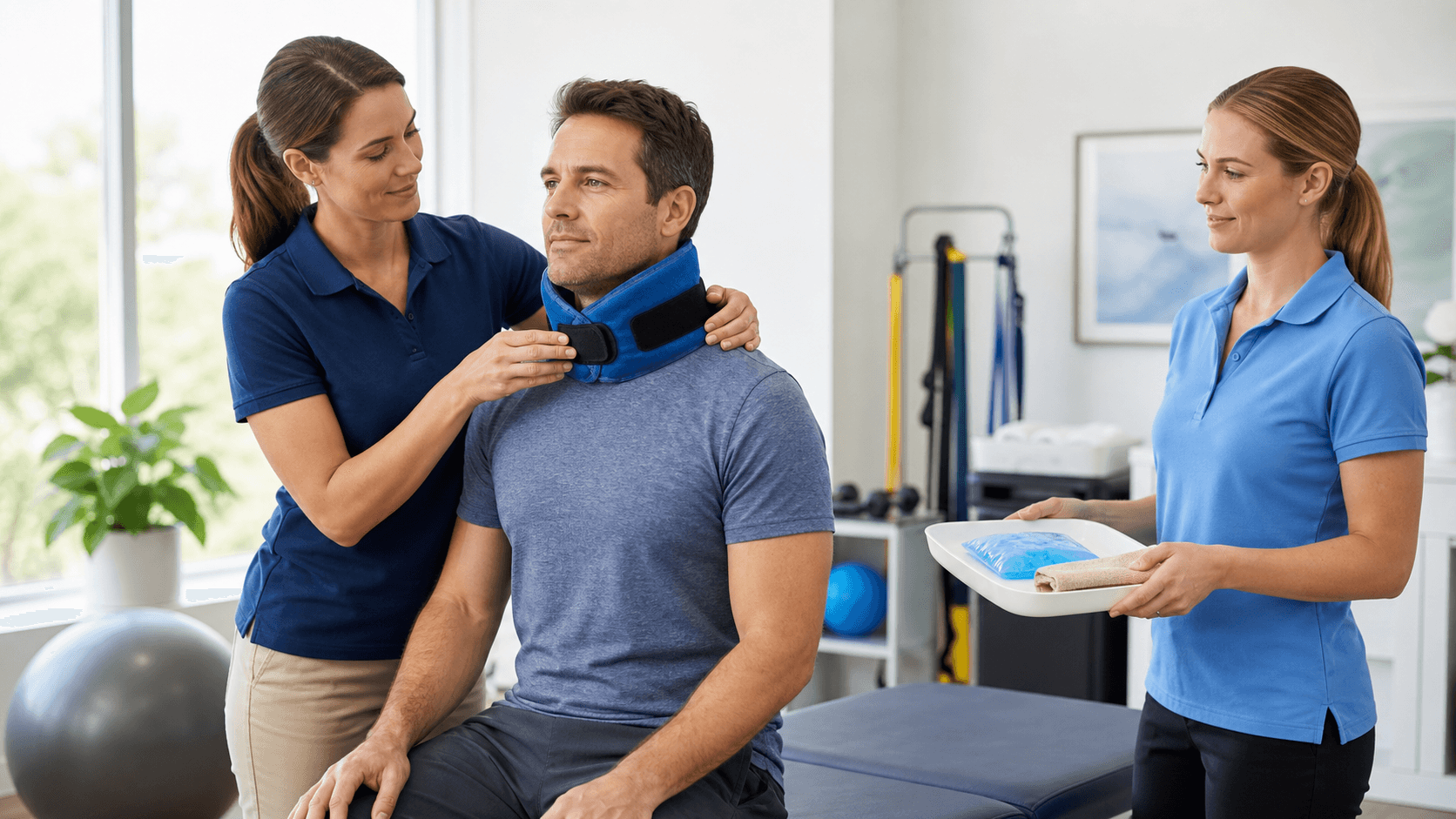
These tools fit well in athletic training rooms, physical therapy clinics, and home setups. Clean, controlled systems can be easier to manage than large shared tubs, and they allow coaches, clinicians, and athletes to monitor, track, and adjust recovery sessions as the season shifts.
Turn Recovery Into Your Competitive Edge
Recovery should sit beside training and competition, not behind them. For multi-sport athletes grinding through busy spring and early summer calendars, smart recovery can be the difference between feeling worn down and feeling ready.
A simple starting plan for contrast therapy for muscle recovery could look like this:
- Begin with 1 to 3 contrast sessions per week during heavy phases
- Note your soreness, stiffness, and mental energy the day after
- Adjust timing so key sessions happen after your hardest days
- Keep talking with coaches, parents, or medical staff about how you feel
At ORX Healthcare, we focus on performance-driven temperature therapy and compression solutions that support athletes who push through packed seasons. With the right tools and a steady routine, recovery can become a quiet but powerful advantage across every sport you play.
Boost Your Recovery With Targeted Contrast Therapy
If you are ready to take a more strategic approach to healing, explore how our contrast therapy for muscle recovery can fit into your routine. At ORX Healthcare, we focus on practical, science-informed methods designed to help you bounce back faster and feel stronger. Reach out to our team with any questions or to discuss your specific recovery goals by using contact us. Let us help you create a recovery plan that supports your training, performance, and long-term health.