Why Smart PTS Are Rethinking Cryotherapy Machines
Cryotherapy machines for physical therapy are everywhere, but many clinics treat them like a box to check, not a tool to shape results. Cold goes on, timer starts, therapist moves on to the next patient. Simple, but not very strategic.
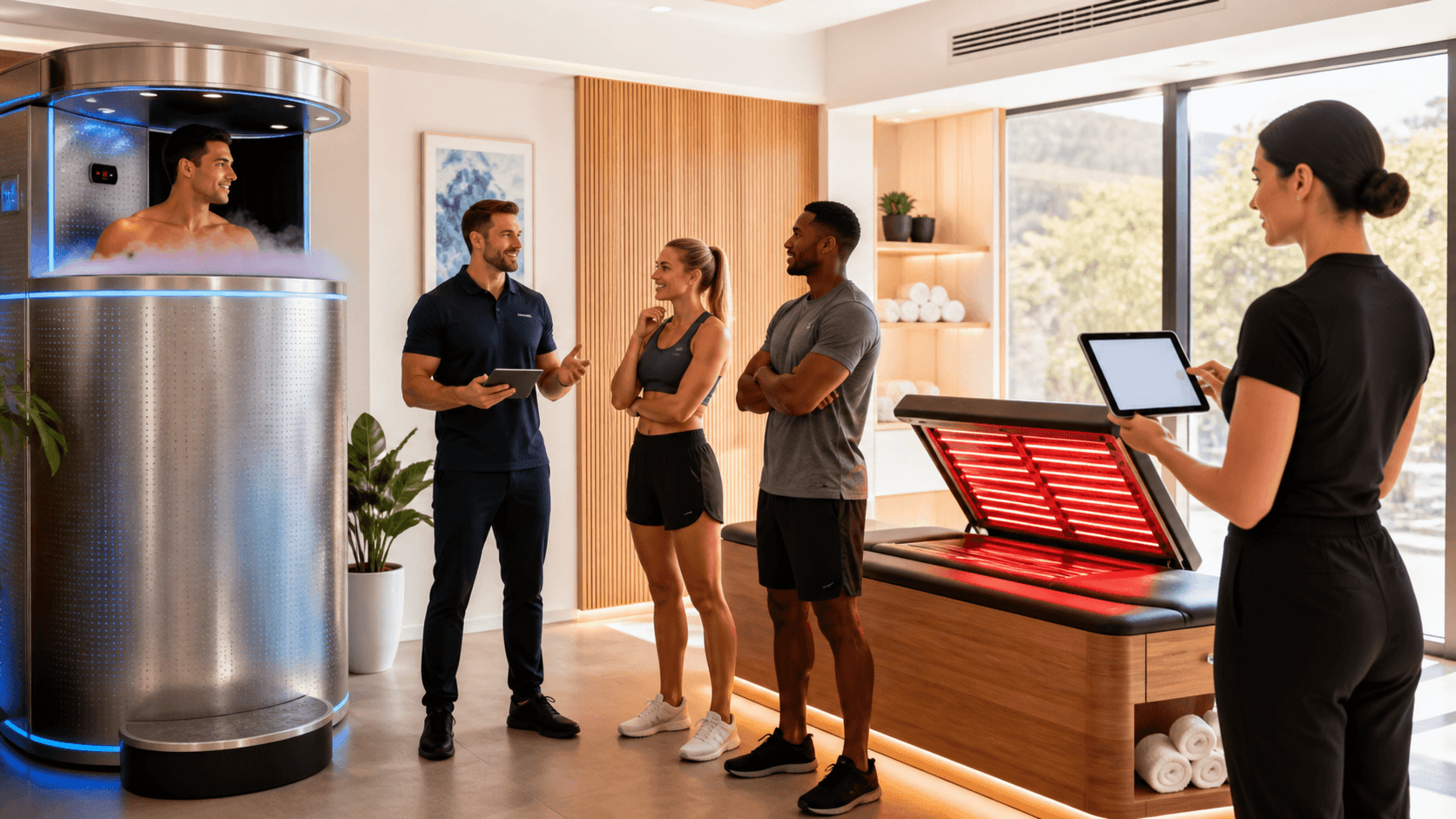
Modern systems make that old approach feel outdated. They are not just talking about ice packs or basic cold units. New portable cryotherapy and contrast-therapy options bring precise temperature control, built-in compression, and flexible settings that can match real treatment goals. When we use them well, they can support better outcomes, smoother visits, and even stronger revenue.
What often gets missed is not the machine itself, but how it is used. Things like dosing, timing in the session, home use, and data tracking matter a lot, especially when spring and early summer bring more sports injuries and post-op cases into the clinic. When those details come together, cryotherapy stops being background noise and starts working like a true intervention.
Beyond "Cold Feels Good": The Science PTS Undervalue
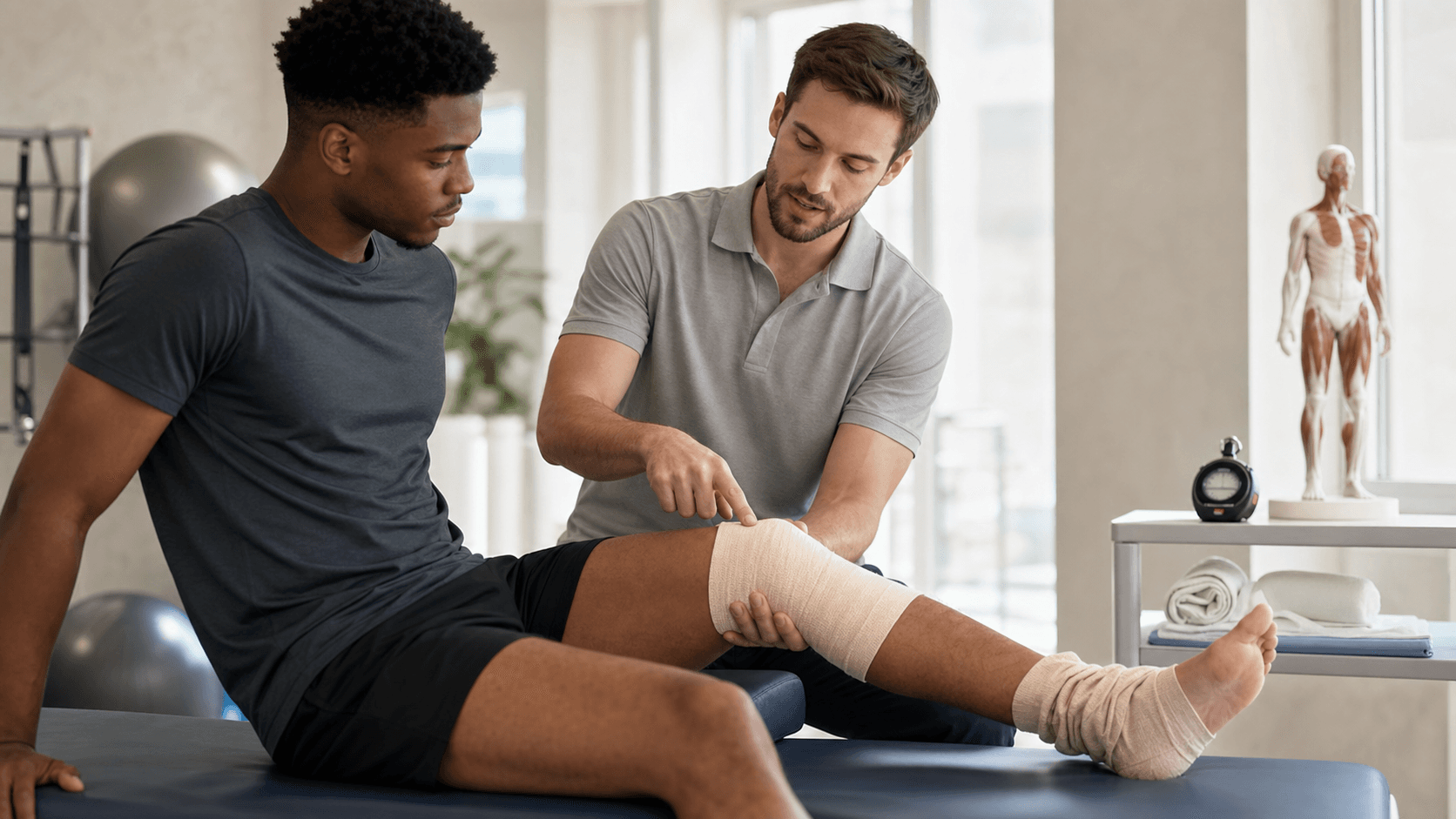
Cold therapy is about more than numbing pain. When used in a thoughtful way, it can help manage swelling, limit extra tissue damage after injury, and calm pain enough for patients to move with better control.
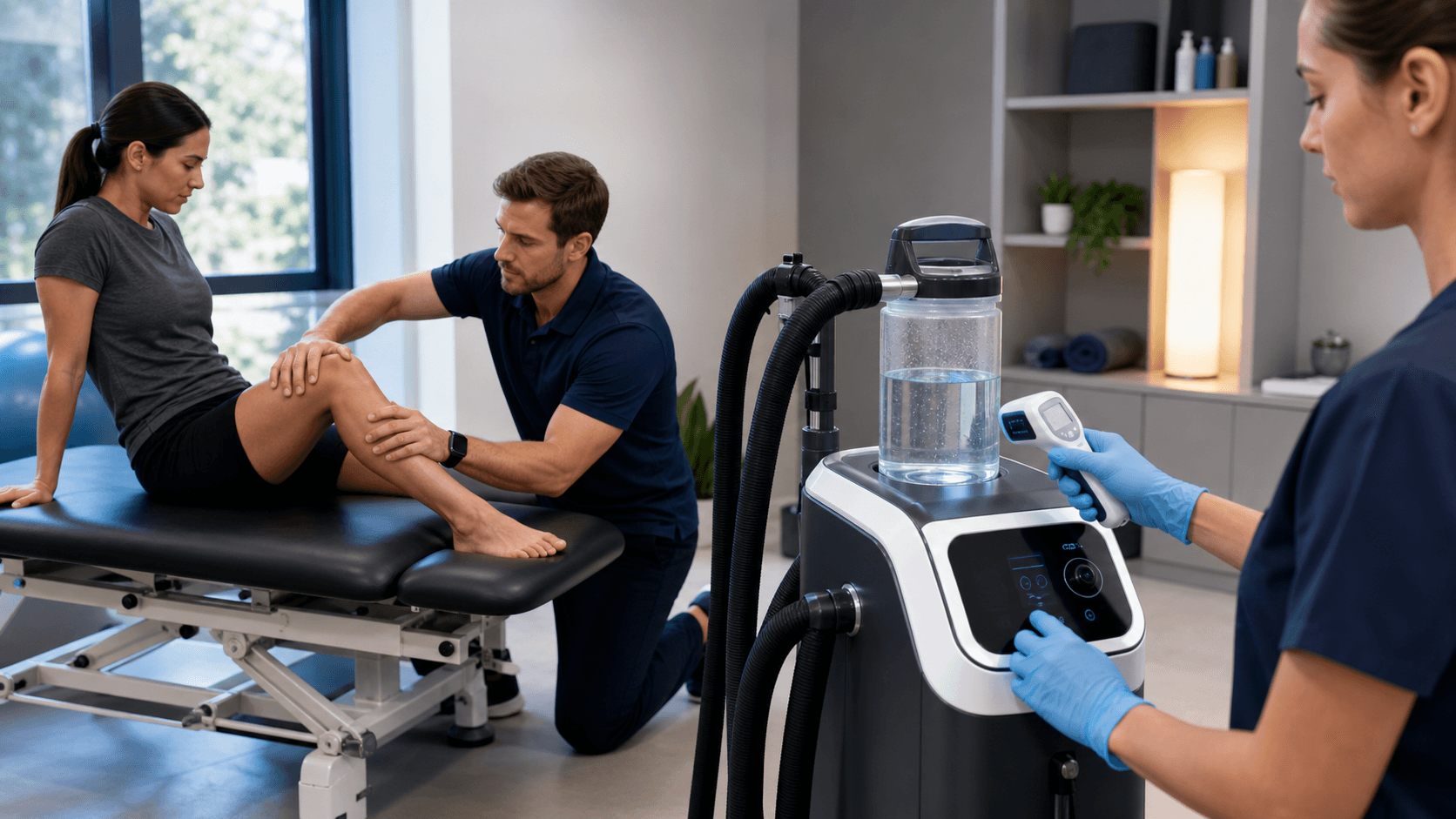
The science side shows us that details count. Cryotherapy machines for physical therapy let us control things that ice packs cannot, like:
- Exact temperature range instead of "whatever the freezer gave us"
- Treatment duration that matches the tissue depth and goal
- On and off cycles that protect skin and nerves
- Compression levels that support fluid movement, not just cooling
When we ignore those details, two things can happen. We might under-dose, so swelling and pain barely change. Or we might overdo it, making tissue too stiff or slowing the normal healing steps. Both can hold back progress.
There are also moments where cold is not the right star of the show. For example, heavy cryotherapy right before high-speed sports work can limit muscle readiness. During later rebuilding phases, nonstop cold around the clock can be too much for tissues that need blood flow and gentle stress to remodel. For many spring and summer sports like baseball, track, and outdoor endurance, the right call often means smart timing and reasonable doses, not blanket use.
Getting More From Cryotherapy Machines for Physical Therapy
When cryotherapy is treated like an afterthought, it usually goes at the end of the visit, no questions asked. But it can do a lot more when we weave it into the full plan.
We can pair cryotherapy with other work to make each minute count, for example:
- Use cold and compression early to bring pain down so manual therapy is more comfortable
- Calm reactive swelling between strength sets so motion stays cleaner
- Support neuromuscular re-education by reducing guarding around a joint
Treatment order also matters. Some patients respond best when cryotherapy happens first, to lower pain or reduce spasticity so they can move better right away. Others need it after the hard work, when tissues are warm and slightly irritated, to keep swelling under control and make the next day less sore.
A single default "15 minutes of cold" misses the point. Thoughtful protocols can consider:
- Type of surgery or injury, like ACL repair versus rotator cuff versus ankle sprain
- Sport demands, such as a pitcher's shoulder compared to a runner's knee
- Stage of healing, from acute protection to late return-to-play
- Temperature sensitivity, nerve issues, and skin health
- Patient preference and schedule, since comfort and buy-in matter
When cryotherapy machines for physical therapy are tuned to these factors, they become part of the plan, not just time on the clock.
From Clinic to Couch: The at-Home Gap Most Clinics Miss
Many clinics work hard in-session, then hope patients manage pain and swelling well at home. That gap can slow progress. When home care is random, we see more flare-ups, missed visits, and longer plans of care.
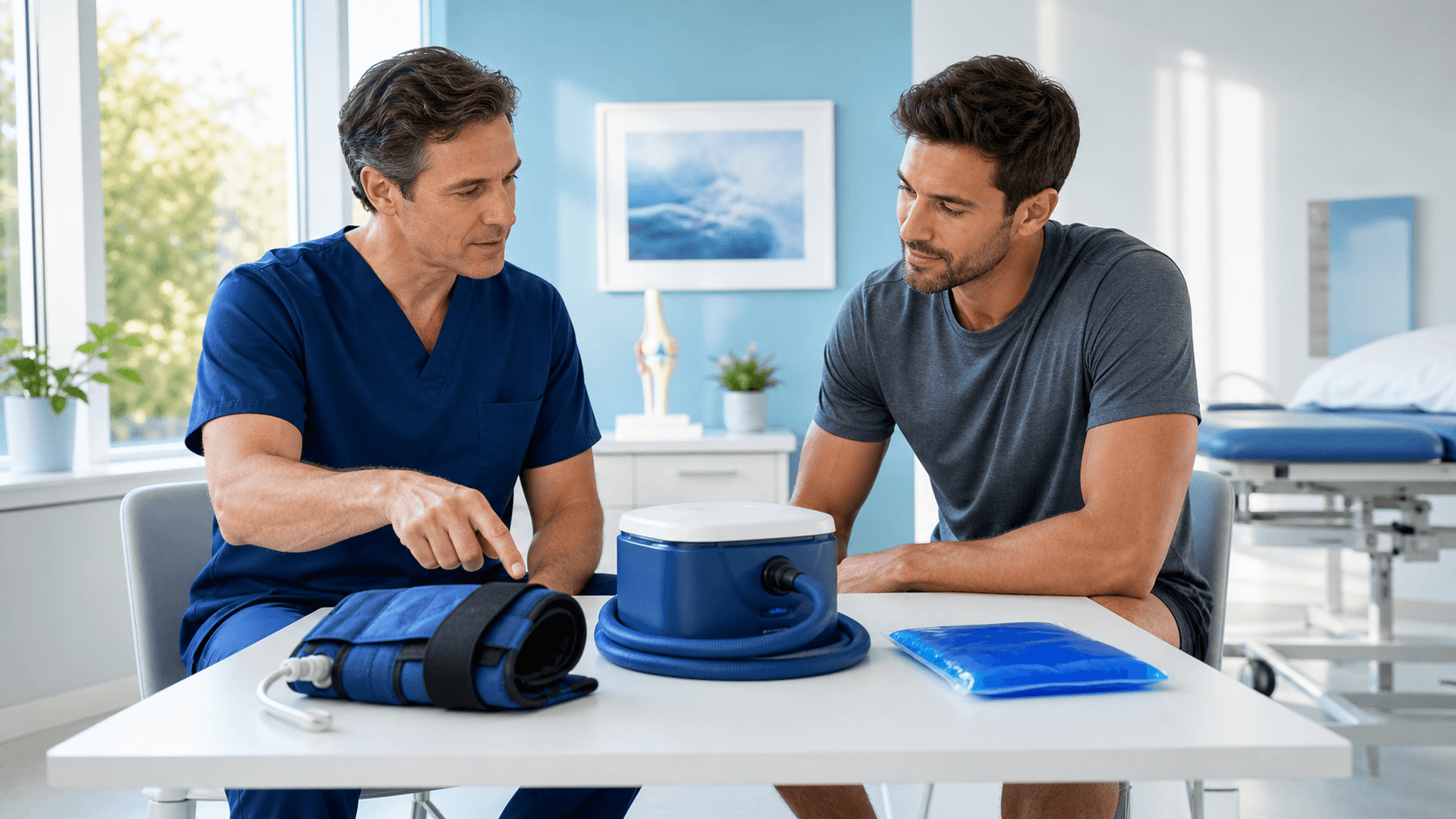
Portable cryotherapy systems can help bridge this space. Instead of loose advice like "ice a few times a day," patients get tools built for safe, repeatable use, such as:
- Preset programs for common surgeries or injuries
- Safe temperature limits that protect the skin
- Simple controls that do not scare less tech-savvy users
- Compression that works with cold to support fluid movement
This kind of structure is especially helpful when outdoor activity ramps up in late spring and early summer. People walk more, run more, play more, and push harder. With better support at home, they can recover between visits, not fall into a cycle of swelling, pain, and last-minute cancellations or urgent-care stops.
For physical therapists, that means fewer setbacks between sessions and a smoother path from first visit to discharge.
Data, Recovery Speed, and the Business Side PTS Overlook
One big advantage of advanced temperature-therapy and compression systems is the ability to track how patients actually use them. Usage data like frequency, duration, and adherence give therapists a clearer picture than pain scales alone.
With that kind of information, we can:
- See patterns between home use and swelling or ROM changes
- Adjust protocols when a patient is under-using or over-using cold
- Support return-to-play decisions with more than just "how do you feel?"
On the operations side, this kind of structure can help the clinic as well. Consistent cryotherapy protocols can:
- Make staff workflows more predictable and efficient
- Raise the perceived value of each visit
- Support conversations with payers and physicians around recovery quality
- Open room for special programs like post-op recovery bundles or athletic return-to-play packages
For clinics that want to grow without burning out therapists, using cryotherapy machines for physical therapy more strategically can be part of a smarter model, not just a nicer modality.
Upgrade Your Cryotherapy Strategy, Not Just Your Equipment
The first step is not buying new gear; it is taking a clear look at how cold therapy is used right now. Many clinics find that protocols are vague, outcomes are not clearly tied to cryotherapy use, and home adherence is mostly guesswork.
A simple internal audit might ask:
- What written cryotherapy protocols do we actually follow?
- When during the visit do we use cold, and why?
- Who gets home access to cryotherapy, and how is that decided?
- How do we track whether cryotherapy is helping our key populations?
From there, it becomes easier to update clinic standards and train staff on modern dosing for both cryotherapy and contrast therapy. Many teams start by piloting more advanced systems with high-demand groups, like post-op knees and shoulders, in-season athletes, or patients recovering from cosmetic procedures who need predictable swelling control.
At ORX Healthcare, our focus is on temperature-therapy and compression solutions that support this kind of thoughtful use. With portable designs, precise control, and science-backed protocols, we aim to help physical therapists move past "cold feels good" and into consistent, repeatable recovery strategies that hold up as patient volume climbs heading into warmer months.
Support Faster Recovery With Proven Cryotherapy Technology
Choose from our advanced cryotherapy machines for physical therapy to deliver consistent, clinic-grade results for your patients. At ORX Healthcare, we help you match the right system to your treatment volume, space, and budget so you can integrate cold therapy confidently into your care plans. If you are unsure which option is best for your practice, contact us and we will walk you through a tailored recommendation.