Rethink Sciatica Relief Before Pain Becomes Your Routine
Cold therapy for sciatica can be helpful, but it needs more thought than tossing an ice pack on your back and hoping for the best. Sciatica is not just "a sore back"; it is irritation of the sciatic nerve, which runs from the lower spine through the hip and down the leg. That is why the pain often shoots, burns, or zings from your low back into your glute or calf.
Standard back care plans that work for stiff muscles do not always match what an irritated nerve needs. Long rest, random stretching, or heavy core work at the wrong time can actually stir things up. Cold therapy can still play a big role, but it must be targeted, timed, and linked with smart movement.
At ORX Healthcare, we focus on tools that can help reduce pain, calm inflammation, and support a safer return to training and daily life. Cold therapy is not a cure for sciatica, but when it is used with guidance, it can be one piece of a smarter recovery plan.
What Makes Sciatica Different From Sore Muscles
Muscle soreness and sciatica may both hurt in the low back, but they feel and behave very differently.
Muscle soreness usually:
- Stays in one area
- Feels like a dull ache or tightness
- Eases with gentle movement and time
Sciatica often:
- Shoots from the low back into the hip, leg, or foot
- Feels sharp, burning, or electric
- Flares with certain positions, coughing, or long sitting
Common triggers include disc bulges, spinal narrowing, tight muscles around the nerve, pregnancy, and hours of sitting at work or on long drives. We are not here to diagnose, but it helps to know that the source is often a squeezed or irritated nerve, not just a tired muscle.
Nerve tissue is more sensitive to pressure and temperature changes than muscle. When a nerve is inflamed, even a small increase in swelling around it can spike symptoms. That is why what you do for recovery matters so much. If you notice severe pain, growing weakness, spreading numbness, or any change in bowel or bladder control, that is a medical red flag and needs prompt care from a qualified professional.
How Cold Therapy for Sciatica Really Works
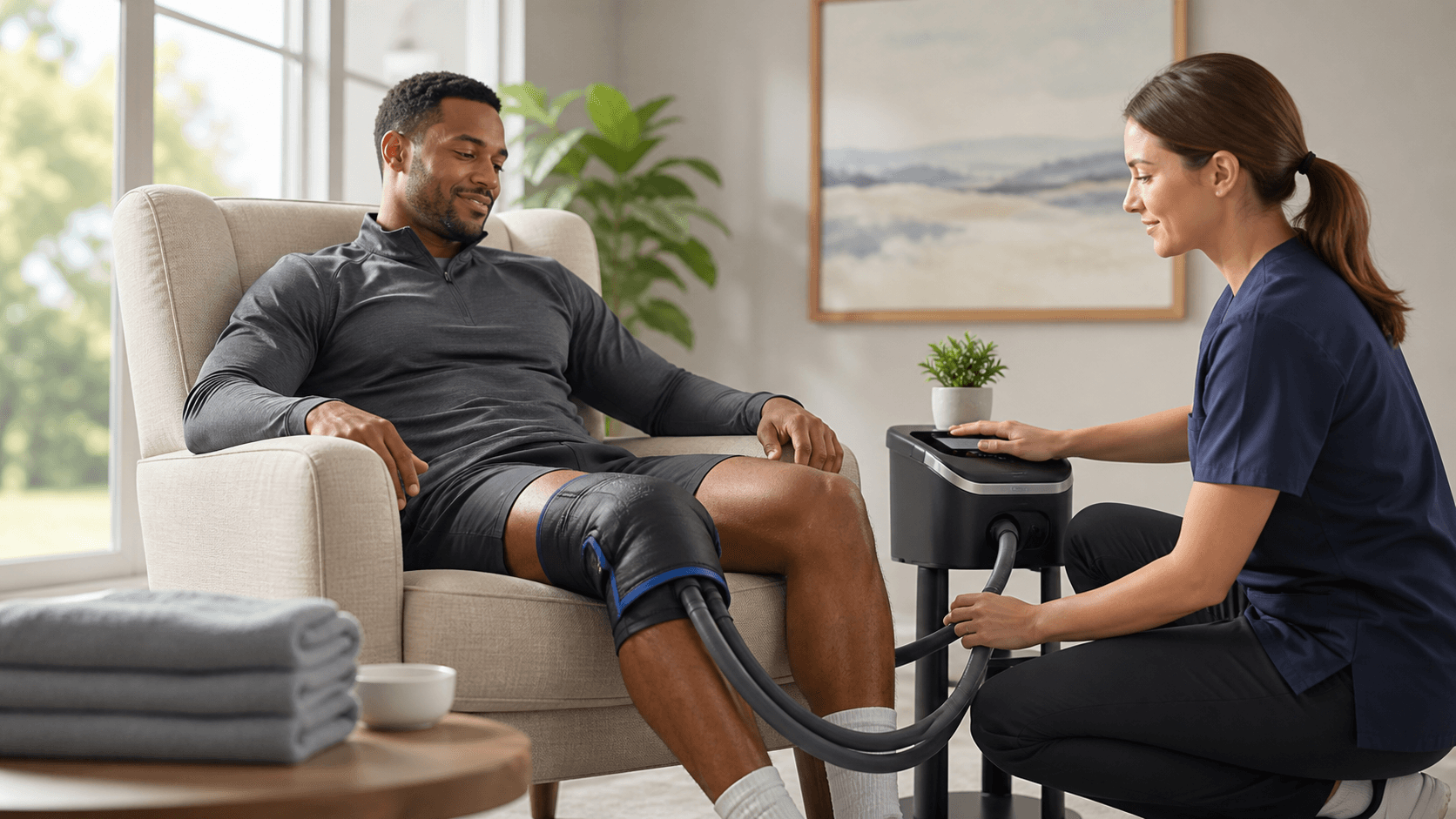
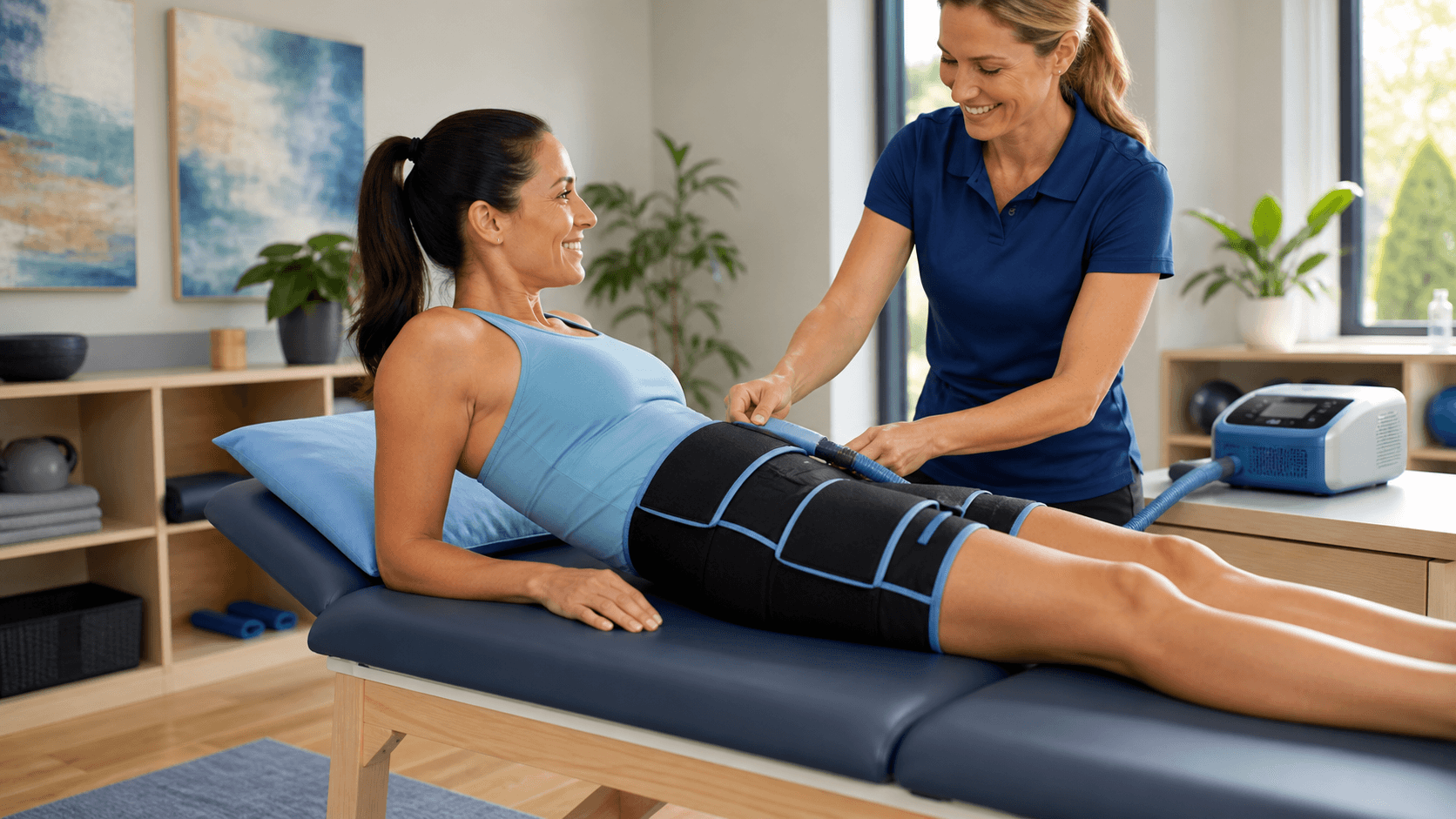
Cold therapy for sciatica means using controlled cooling, often with gentle compression, around the low back, hip, or leg to help manage pain and swelling. It is not about freezing the area; it is about bringing the temperature down to a safe, defined range for a short time.
Here is what is happening in simple terms:
- Cooler tissue may swell less, which can relieve pressure around nerve roots
- Cells slow their activity, which may help limit local irritation
- Cold can slow nerve signal speed, which may reduce how intense the pain feels
A simple ice pack can offer basic relief, but it often comes with problems. It warms up fast, cools unevenly, and can make it hard to cover deep structures in a consistent way. Advanced temperature-therapy and compression systems are designed to give more even, clinically guided cooling and steady pressure, which can help keep treatment on target.
Safety matters, especially with nerve pain. General rules include:
- Do not place ice directly on bare skin
- Limit each session to the time your provider recommends
- Be extra careful if you have reduced feeling in the area
- Talk with a healthcare professional if you have circulation or nerve conditions
Cold should feel comfortably cool, not biting or painful.
Building a Smarter Sciatica Recovery Plan
A better plan for cold therapy for sciatica starts with structure, not random sessions when the pain gets loud. Think short, focused cooling, gentle movement, and planned rest breaks across your day.
A typical day might include:
- A brief cold session in the morning after you get moving
- Short walks or light mobility work a few times per day
- Another cold and compression session after higher-load activity
- A final session in the evening if your pain peaks at night
Cold often helps most in the first couple of days of a flare, after harder activity, or when soreness builds at the end of the day. Compression can support circulation and help direct cooling around key zones like the low back, glute, and thigh, instead of letting cold spread randomly.
Cold works best when it is part of a full plan, not the only tool. That plan often includes:
- Guided physical therapy
- Core and glute strengthening at the right stage
- Posture and movement coaching
- Ergonomic changes at your desk, in the car, and during training
We design our devices at ORX Healthcare with this bigger picture in mind, so cold therapy can plug into the recovery plan your clinician or athletic trainer builds for you.
Training, Travel, and Fall Weather
As weather cools, people often increase training for races, ramp up sports seasons, or spend more time sitting during holiday travel. Cold air, heavier layers, and long hours in cars or on planes can all stir up sciatica symptoms.
Cold therapy can still help in cooler seasons, but it needs some extra care:
- Do not stack outdoor cold on top of long, aggressive icing
- Keep your core warm with layers while you cool a local area
- Use shorter, more frequent sessions instead of one long blast
For travel days or long desk hours, planning matters. You might:
- Use portable cold-compression options that fit around the low back or hip
- Set timers for short stand and walk breaks
- Plan a brief cool-down routine when you get home, followed by gentle mobility
Under professional guidance, some people benefit from switching between heat and cold. For example, light warmth before mobility work to help muscles relax, then cooling and compression after higher-load activity to help manage soreness and swelling.
When Cold Is Not Enough
Cold therapy for sciatica has limits. It is a tool, not a full treatment plan by itself.
Stop and seek prompt medical care if you notice:
- Worsening leg weakness or trouble lifting your foot
- Loss of coordination or frequent tripping
- Increasing numbness that climbs up the leg
- Any changes in bowel or bladder control
Cold therapy can also be risky or limited if you have poor circulation, uncontrolled diabetes, or certain nerve disorders. That is why screening with a clinician is so important before you rely on cold or compression.
Even if you are cleared to use cold, you may need to adjust your routine if:
- You feel stiff for a long time after sessions
- You have lingering numbness or burning in the cooled area
- Your pain bounces back stronger once the cold wears off
A healthcare professional can help tune the details, like how cold to go, how long to cool, how much compression to use, and how often to repeat sessions. At ORX Healthcare, our advanced temperature-therapy and compression devices are built to support that kind of precise, guided plan so you and your care team can better control your recovery instead of letting sciatica call the shots.
Relieve Sciatica Pain and Get Back to What You Love
If sciatica is holding you back, our targeted cold therapy for sciatica solutions can help you manage pain and support recovery. At ORX Healthcare, we focus on practical, research-informed tools that fit into your daily routine. Reach out to our team with questions or to discuss the best options for your situation through our contact page.