Smarter Cooling for Safer Recovery at Home
Recovering at home after surgery, a sports injury, or a bad flare of joint pain is hard enough. Trying to manage it with melting ice packs, dripping towels, and bags of frozen peas can make it even harder. The cold might feel good at first, but it is often too intense, then not cold enough, and it is tough to know how long to keep it on.
Therapeutic cooling systems give a different option. These are medical-grade tools made to deliver steady, controlled cooling between clinic visits. When they are used as part of a plan from a surgeon, physical therapist, or athletic trainer, they may help make recovery more comfortable and more consistent.
At ORX Healthcare, we focus on advanced temperature-therapy and compression solutions for clinicians, athletic programs, and serious at-home users. Here, we will walk through how therapeutic cooling systems work, when they may help, how to think about safe use at home with professional guidance, and what to look for if your care team recommends one.
Why Cooling Matters in the First Days of Recovery
When tissue is injured, the body responds quickly. Blood flow increases, fluid leaks into the area, and the joint or muscle can swell. That swelling, plus chemical signals in the tissue, often leads to pain, stiffness, and a feeling of pressure.
Thoughtful, time-limited cooling may help in several ways when it is part of a recovery plan your clinician has designed:
- It may reduce local swelling by affecting blood flow
- It can slow nerve signaling, which may ease pain
- It may support a more comfortable range of motion during early rehab
The key is balance. Helpful cooling is:
- At a controlled temperature
- For a set amount of time
- With breaks between sessions
Over-icing can be a problem. If the skin gets too cold for too long, it can become irritated or painful, and in some cases may interfere with healing. That is why clear instructions from your provider about timing and temperature are so important.
Traditional ice packs often start very cold, then warm unevenly. Some spots feel numb while other spots are barely cool. Modern therapeutic cooling systems are designed to deliver more consistent cooling over the whole treatment area. That steady control can be especially helpful during early fall, when sports seasons pick up, training loads climb, and injury rates often rise.
How Therapeutic Cooling Systems Work for Home Use
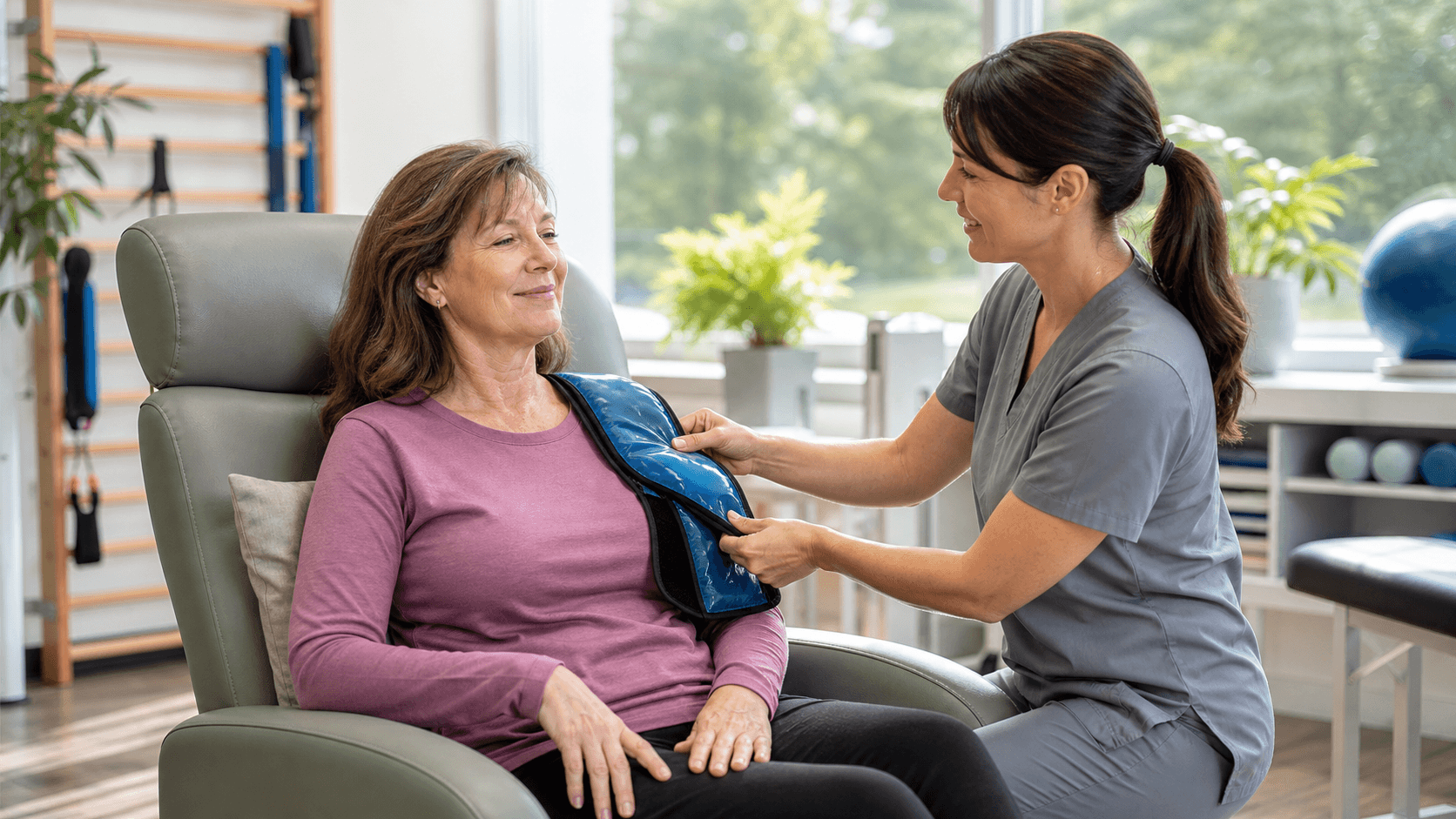
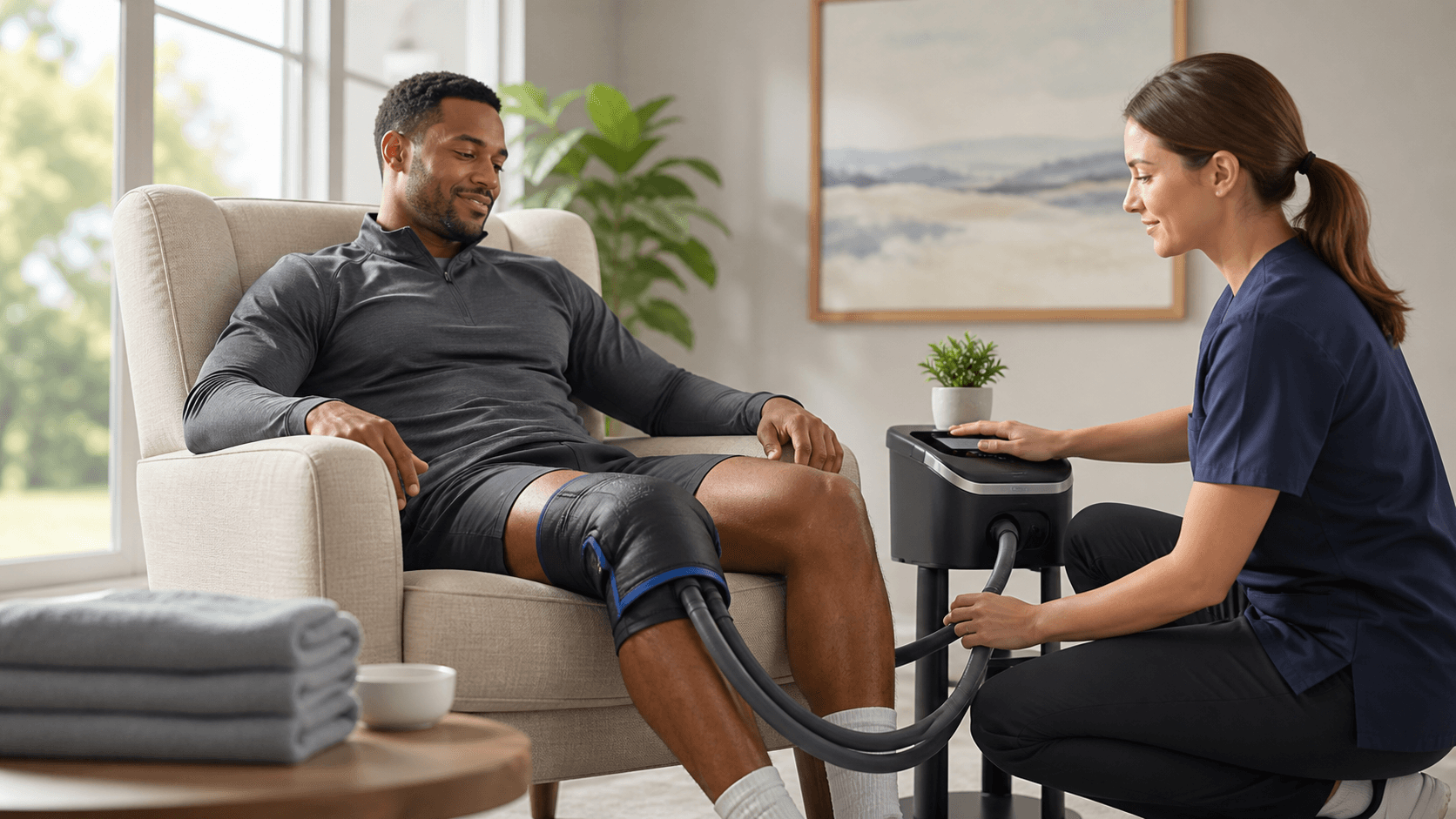
Therapeutic cooling systems are medical devices that send cooled water or air through special wraps or pads. These wraps are shaped for body areas like the knee, shoulder, ankle, hip, or back, so the cold reaches where your clinician wants it, not just wherever an ice pack happens to touch.
Most systems have a few basic parts:
- A control unit with temperature and time settings
- A reservoir that holds water or coolant
- Hoses that move the cooled fluid or air
- Anatomically shaped cuffs or pads, sometimes paired with compression
The control unit is designed to help limit the guesswork. Automated temperature control may reduce hot spots, overly cold contact points, and big swings in temperature during a session. Many systems also include timed cycles so you are not guessing how long you have been cooling.
Light compression is often built into the wrap. That gentle pressure may help limit swelling and improve contact between the pad and the skin, which supports more even cooling across the joint or muscle.
For at-home use, it is important to follow the plan from your healthcare professional or athletic trainer. That usually includes:
- How soon after surgery or injury cooling should begin
- How many sessions per day are appropriate
- How long each session should last
- When and how to check the skin
Therapeutic cooling systems can become part of an at-home recovery toolkit for post-op patients, serious recreational athletes, and older adults managing joint pain, as long as they are used within a clear, supervised plan.
When Therapeutic Cooling Systems May Be Helpful
Clinicians may recommend therapeutic cooling systems at home in several situations. Common examples include:
- After orthopedic surgeries, such as ACL repairs, rotator cuff procedures, or joint replacements
- After acute ligament or tendon injuries
- For significant sprains and strains in ankles, knees, or shoulders
In sports and performance settings, cooling systems may fit into in-season recovery for high school, college, or professional athletes, and for dedicated adult athletes who train on top of work or school. During busy fall schedules, a structured approach to recovery between practices and games can matter as much as training itself.
Some people with ongoing joint problems also use cooling and compression, when advised by a provider, to help with flare-ups as part of a larger care plan. That wider plan often includes physical therapy, prescribed medications, activity changes, and rest.
It is also important to know that these systems are not for everyone. Some people with impaired sensation or circulation issues may not be good candidates for intensive cooling. A qualified healthcare professional should review your medical history and decide if a system is safe for you.
Therapeutic cooling systems are medical tools, not general wellness gadgets. Safe use at home should always start with a clear recommendation and instructions from your care team.
Choosing a Medical-Grade Cooling System for Home
If your clinician suggests a cooling system, a few features are worth discussing:
- Precise temperature controls with clear settings
- Built-in timers or treatment cycle options
- Ergonomic wraps that match the exact body part
- Reliable compression options when appropriate
- Easy-to-follow instructions and safety guidance
Medical-grade therapeutic cooling systems are built with recovery protocols in mind. They are designed to line up with how surgeons, physical therapists, and athletic trainers structure care, instead of acting as simple consumer gadgets that just feel cold.
Portability can matter too, especially in the fall when schedules are full. Many people need to move between rooms, ride in the car for follow-up visits, or travel for school and sports. A portable system can help keep recovery sessions consistent while life keeps moving.
It is helpful to ask your clinician about:
- Whether a specific system is compatible with your surgery or injury
- Which wraps are best for your anatomy and procedure
- Any specific settings they recommend
- Any reasons you should not use compression or certain temperatures
ORX Healthcare designs temperature-therapy and compression solutions to bridge clinic and home use. Our goal is to help people keep similar performance-focused standards in their living room that they experience in the training room or recovery suite.
Before choosing any device, it is also smart to confirm warranty details, customer support options, and clear cleaning instructions for wraps, hoses, and reservoirs. Safety details, like recommended treatment times and how often to perform skin checks, should be easy to find and easy to follow.
Safe at Home Cooling Protocols to Discuss with Your Clinician
Every recovery plan is different, but there are common steps you can review with your care team. A typical, generalized flow might include:
- When to start cooling after the procedure or injury
- How many sessions to aim for each day early on
- How long each session should last
- How to adjust use as pain and swelling change
Skin and sensation checks are key. Your clinician may ask you to:
- Look at the area before and after sessions
- Watch for redness that does not fade, unusual numbness, or discomfort
- Stop a session and call your provider if anything feels wrong
Positioning also plays a role. Keeping a limb elevated when recommended, avoiding tight straps that limit circulation, and not lying directly on a hard cooling surface can all support safer use.
Some people benefit from keeping a simple recovery log. You might write down:
- Treatment times and durations
- Pain levels before and after cooling
- Any changes in swelling or stiffness
- Activity levels throughout the day
This can be especially helpful during busy fall periods, when school, work, and sports can easily shift routines. Any sudden change in pain pattern, swelling, or mobility is a signal to talk with your care team. Therapeutic cooling systems are meant to support follow-up care, not replace it.
Your Next Step Toward Smarter, Safer Recovery
Therapeutic cooling systems are designed to deliver controlled, medical-grade temperature therapy at home. When they are used within a plan from a qualified professional, they may support safer, more comfortable recovery from surgery, sports injuries, and ongoing joint issues.
If you are preparing for a procedure, heading into a sports season, or trying to manage a lingering injury, it can be helpful to ask your surgeon, physical therapist, or athletic trainer if a therapeutic cooling system fits your recovery plan. Good questions include: Is a cooling and compression system right for my situation? When should I start using it? What temperature and timing do you recommend?
At ORX Healthcare, we are focused on performance-driven temperature and compression technology that helps bridge the gap between clinic and home. Smarter cooling is not about doing more; it is about doing recovery correctly, so you can return to daily life and sport with greater confidence.
Frequently Asked Questions About Therapeutic Cooling Systems
Are therapeutic cooling systems better than ice packs?
They can offer more consistent temperature, better fit, and controlled timing, which may support comfort and safety. Their value still depends on correct use within a plan guided by your clinician.
How long should I use a cooling system after surgery or injury?
That depends on your procedure, your health history, and your provider's protocol. Many plans use set time blocks with breaks, so your care team should give you specific guidance.
Is it safe to sleep while using a therapeutic cooling system?
You should follow your provider's instructions only. Many clinicians are cautious about unsupervised overnight use and may approve it only with certain devices and settings.
Can I use therapeutic cooling systems for everyday soreness after workouts?
Some athletes use cooling for recovery after intense training, but frequency and timing should be discussed with a sports medicine professional, especially during heavy training periods.
Do therapeutic cooling systems replace physical therapy or medication?
No. These systems are intended as one tool in a full recovery plan that may also include physical therapy, medication, rest, and ongoing follow-up with your healthcare team.
Improve Patient Comfort With Advanced Cooling Today
Explore how ORX Healthcare can help you integrate proven therapeutic cooling systems into your care environment for safer, more consistent temperature management. Our team is ready to review your needs, recommend appropriate solutions, and support implementation from planning through training. If you have specific questions or require tailored guidance, contact us so we can help you move forward with confidence.