Rethinking Cold Therapy for an Active Life
Cold therapy for arthritis is not just for people who are done being active. Many adults still run, lift, hike, ski, and chase kids or grandkids, even when their joints feel stiff or sore. They are not ready to sit on the sidelines. They just need smarter tools to keep moving.
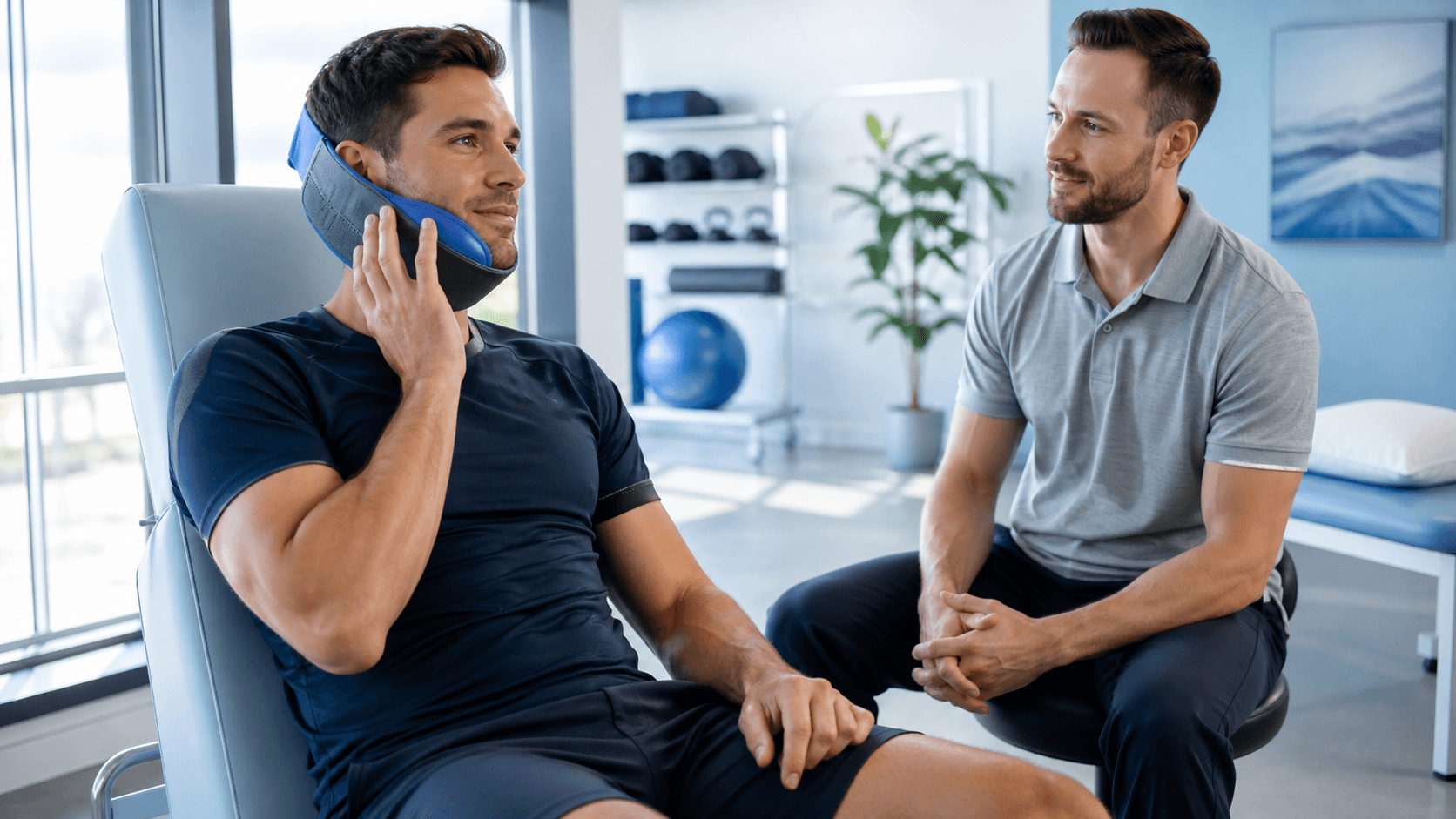
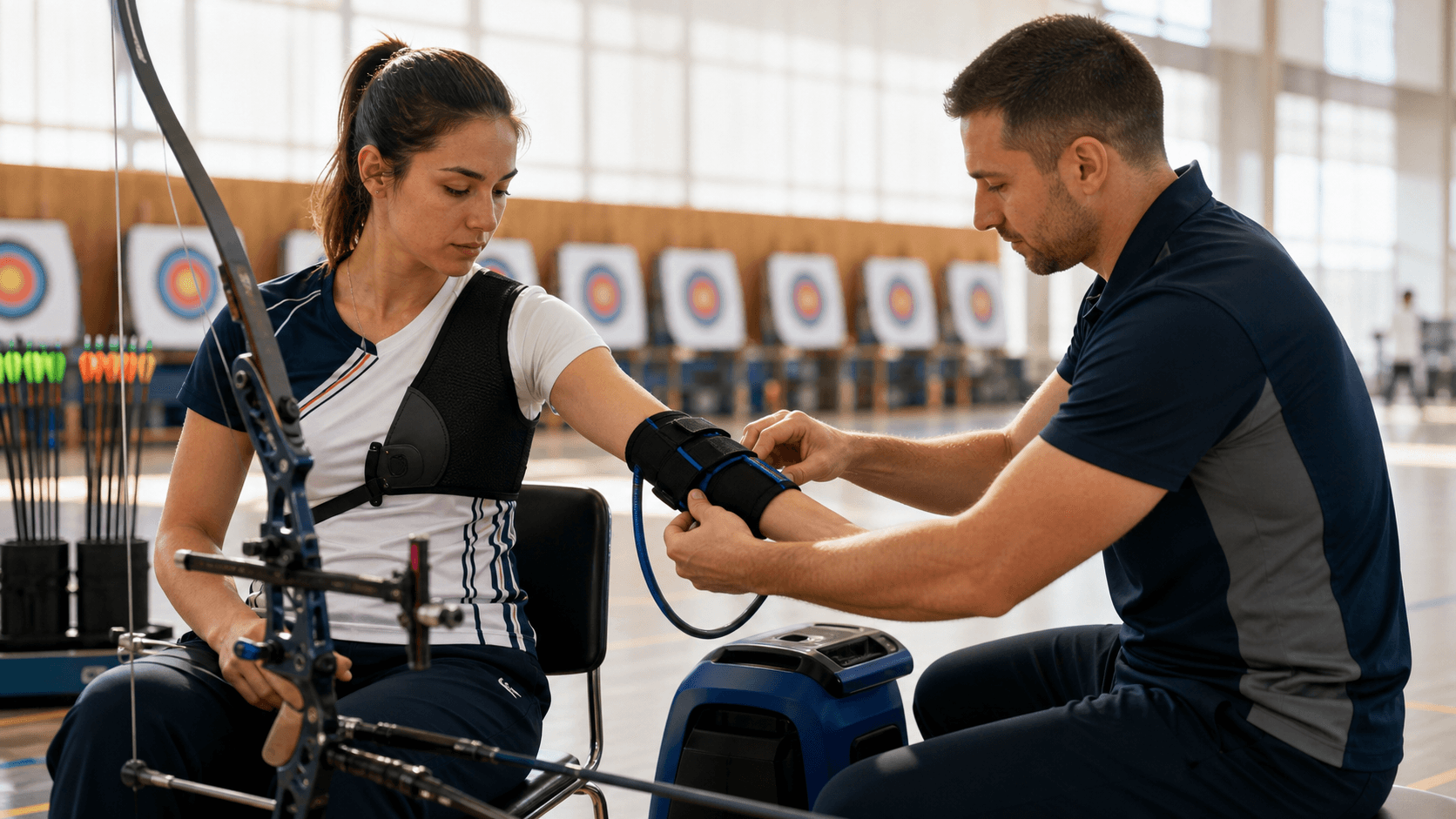
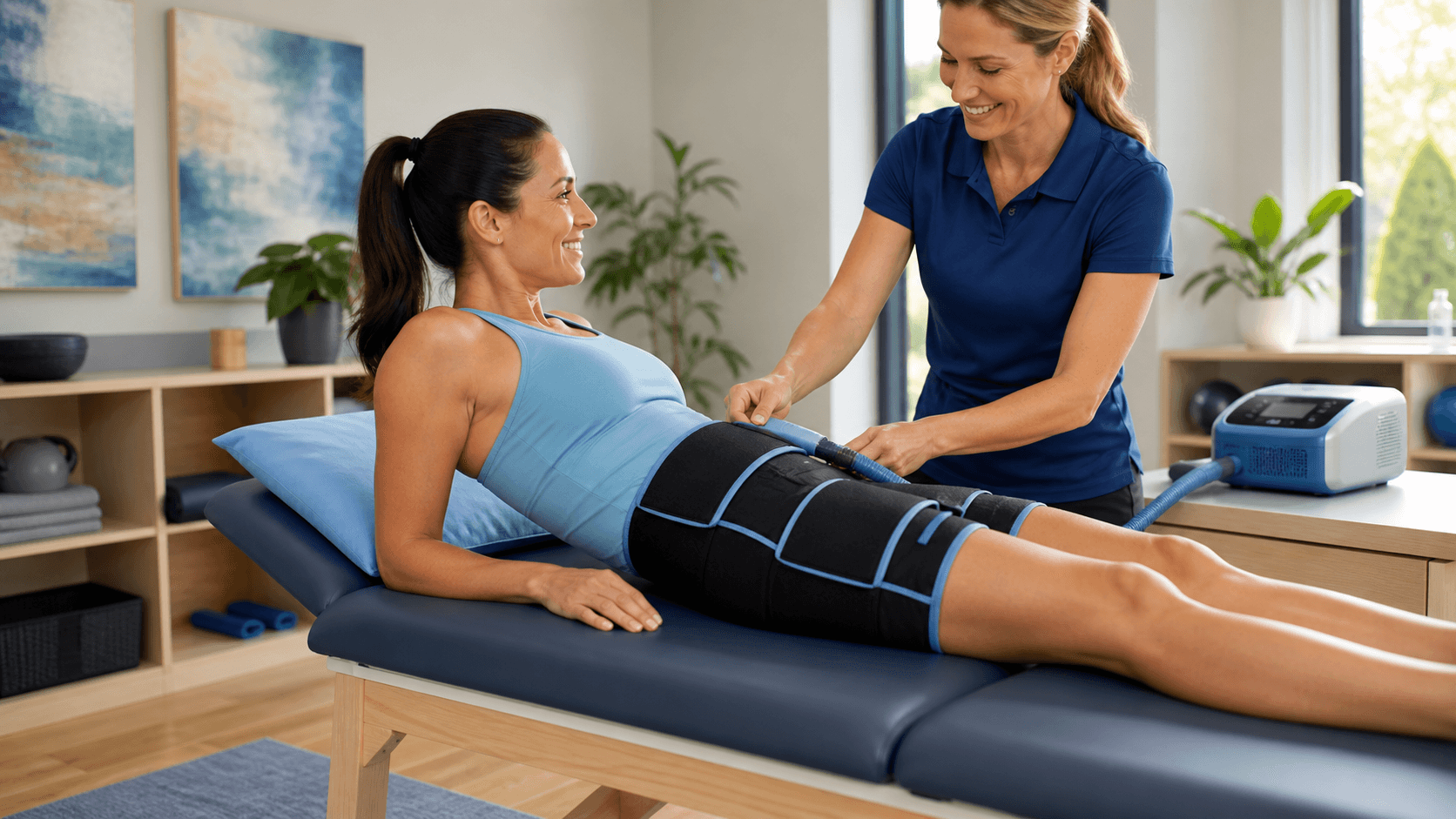
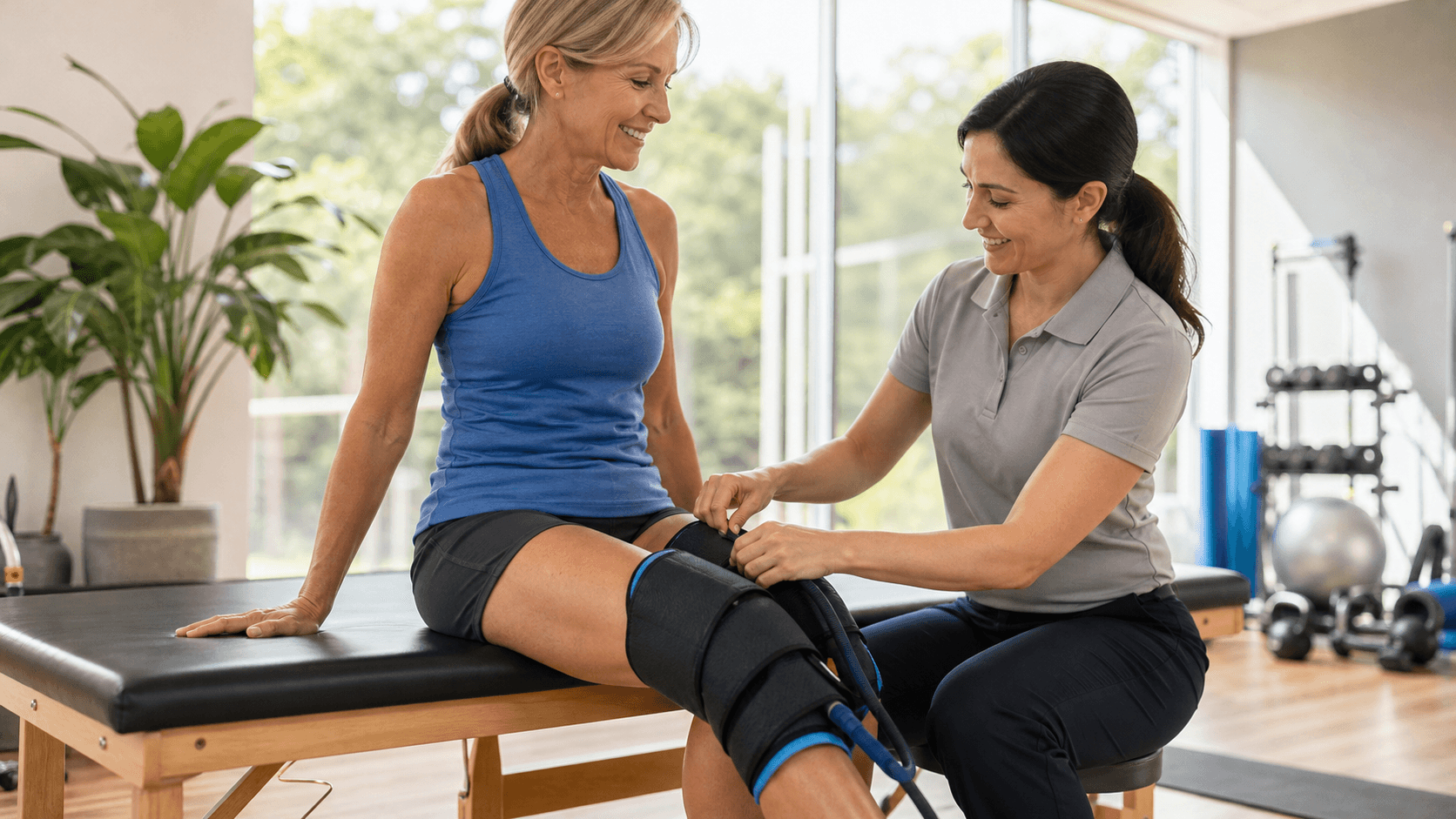
Cold therapy used to mean a bag of ice cubes or frozen peas, wrapped in a towel and held in place until everything went numb. Now there are medical-grade systems that bring more control, more comfort, and more consistency. In this article, we will look at how modern cold and compression can fit into a busy, high-output life, what it may do for arthritic joints, and how to use it without slowing your training or workday.
How Arthritis Impacts Active Adults Day to Day
Arthritis simply means joint inflammation, but it can show up in different ways. Common types that affect active adults include:
- Osteoarthritis, where the cartilage in a joint slowly wears down
- Rheumatoid arthritis, where the immune system attacks the joints
- Post-traumatic arthritis, which can follow a past injury like a tear or fracture
These often show up in joints that take a lot of load or repetition, such as knees, hips, hands, shoulders, and ankles. For people who train hard, those joints are used all day, not just in the gym.
That can affect daily life in real ways. Joint pain, swelling, or stiffness may:
- Limit how far or how often you can run, ride, or lift
- Make recovery between workouts feel slower
- Make long workdays, travel, and family events harder to enjoy
As the weather cools in late fall and winter, many people say their joints feel more stiff, especially in the morning or after sitting. Here in cooler climates, that can mean more time indoors, more sitting, and different sports like skiing or indoor court play. All of that can add up, which is why a clear symptom plan, including cold therapy, becomes even more important.
The Science Behind Cold Therapy for Arthritis
Cold therapy is simple on the surface, but there is real physiology underneath. When you apply cold to an arthritic joint, several things may happen in the body:
- Blood vessels in the area constrict, which may help limit swelling
- Cellular metabolism slows, which may calm some of the inflammatory activity
- Nerve signals travel more slowly, which may reduce the sensation of pain
Together, these effects can make a joint feel less puffy, less hot, and less sore for a period of time. That window of relief can help you move better, finish daily tasks, or stick with a training plan.
Research suggests cold therapy can be helpful for managing arthritis symptoms for some people. It may:
- Temporarily lower pain levels
- Support better range of motion right after use
- Make it easier to perform exercises prescribed by a clinician
It is important to be clear about limits. Cold therapy does not fix damaged cartilage, correct joint alignment, or replace medical care. It is usually one tool in a much bigger plan that might include strength training, medication, joint protection strategies, or procedures recommended by a physician.
Compression adds another layer. When you combine cold with gentle, controlled compression, you can:
- Improve contact between the cooling surface and the joint
- Help manage surface swelling around the joint
- Support more even, repeatable treatment
For active adults, that combination of cold and compression can be designed to create more consistent relief, rather than random results from whatever ice pack is in the freezer.
Using Cold Therapy Without Slowing Your Training
The goal is not to spend your whole evening icing. It is to use cold therapy in smart, short bursts that fit your routine. Many active adults use cold for arthritis:
- After runs or rides, especially if knees or ankles tend to swell
- After strength sessions that load the hips, shoulders, or hands
- At the end of a long workday with lots of standing or walking
Timing matters. Many clinicians prefer cold therapy after activity, when the joint is warm and blood flow has already increased from movement. That can help calm a flare without blunting your warm-up. Before workouts, a gentle warm-up, mobility work, and proper footwear usually matter more.
For safety, general guidance often looks like:
- Short sessions of about 10 to 20 minutes at a time
- Allowing the skin to return fully to normal temperature between sessions
- Avoiding direct ice on bare skin
Everyone is different, so it is important to follow your healthcare provider's specific advice, especially if you have circulation problems or reduced sensation.
Cold therapy also works best when it is part of a full plan. That might include:
- Strength training to support the muscles around arthritic joints
- Mobility and stretching work that is approved by your care team
- Good footwear and smart load management in your sport
- Ongoing care with a physician, physical therapist, or athletic trainer
Cold is not a magic fix. It is a support tool that helps you keep doing the other work that really protects your joints over time.
Why Precision Cold Matters More Than Ever
Basic home methods have limits. Traditional ice packs and frozen bags can be:
- Too cold at first contact, then too warm a few minutes later
- Uneven, with some areas freezing while others barely cool
- Hard to hold in place, which makes it easy to give up early
- Messy, with condensation soaking clothes or furniture
Those small hassles can lead people to skip sessions or cut them short, which means less consistent relief.
Precision matters, especially when you are still training hard. Advanced cold and compression systems are designed to offer:
- Controlled temperature ranges, rather than guessing with ice
- Consistent compression levels around the joint
- Timed sessions that shut off automatically
That level of control helps create a more repeatable experience for your arthritic knees, hips, shoulders, or ankles. When you know what you will feel and how long it will last, it is easier to build cold therapy into your routine.
Portability matters too. Many active adults move all day between:
- Clinic or physical therapy visits
- Work or travel
- Training sessions and at-home rehab
Portable, medical-grade devices can fit that lifestyle. Systems that move from the clinic to the training room to the living room support real people who do not have time to sit in one place with a melting ice bag.
Cold Therapy for Arthritis in Colder Weather
When the air turns cold, some people worry about adding more cold to already stiff joints. That is a fair concern, but it does not always mean you should avoid cold therapy. It may just mean you adjust how and when you use it.
A few simple ideas for cooler seasons include:
- Spend more time on warm-ups, especially for arthritic joints
- Use cold therapy after activity, not right before heading outside
- Keep the rest of your body comfortably warm while treating one area
- Check skin frequently and avoid very long sessions
Indoor life can also change in colder weather. More sitting, different sports, and long drives can all feed stiffness. Working with your care team to adjust cold therapy timing, frequency, and device settings as your schedule shifts can help you stay ahead of flare-ups.
Physicians, physical therapists, and athletic trainers can help you answer key questions, such as:
- Which joints should get cold, and how often?
- What temperature range is safest for you?
- How should cold therapy fit with medications or injections?
That kind of support is especially helpful when training loads go up or you return to seasonal sports.
Building a Sustainable Cold Therapy Routine That Fits You
The best cold therapy plan starts with your goals, not the device. Ask yourself what you really want from your routine:
- Fewer flare-ups after long hikes or ski days
- Less swelling the day after league games
- Smoother recovery between strength sessions
- Less pain at night after long workdays
When you know what matters most, it is easier to judge if cold therapy is actually helping.
We often suggest starting small. Work with your healthcare professional to choose:
- One or two joints to focus on
- Short, regular sessions at a safe temperature
- A simple way to track pain, stiffness, or function for a few weeks
Keep notes on how you feel before and after cold therapy, and how your joints handle key activities. That feedback helps you and your care team adjust timing, session length, and device settings to fit your real life.
At ORX Healthcare, we focus on advanced temperature therapy and compression systems that bring clinical-level precision into clinics, training spaces, and serious at-home rehab. Our goal is to support active adults living with arthritis who want to keep training, working, and playing at a high level, even when the weather turns cold.
Find Reliable Relief From Arthritis Pain Today
If you are ready to take the next step toward safer, drug-free pain management, explore how our specialized cold therapy for arthritis solutions can fit into your daily routine. At ORX Healthcare, we work closely with patients and providers to match the right tools to your specific symptoms and mobility goals. If you have questions about which option is best for you or need help getting started, contact us so we can support your arthritis care plan.