Cold Precision for Wrist Pain in High-Skill Sports
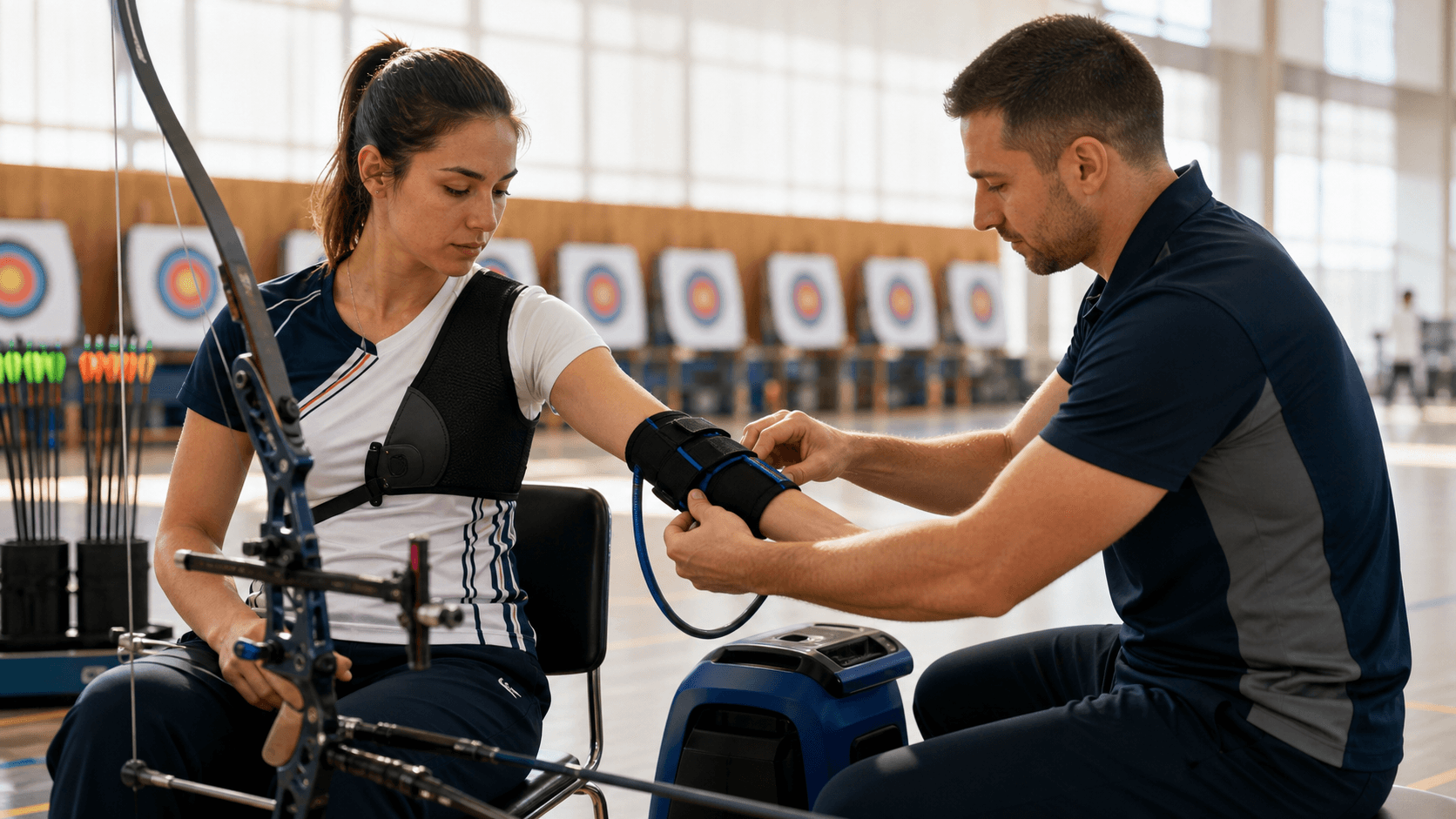
Cold therapy for wrist pain may be a useful tool for athletes who rely on small, exact movements. When the season hits late fall and the air cools down, many players are actually heating up their training. That is often when wrist pain shows up or gets worse, right when tournaments, playoffs, and tryouts really matter. Tennis, golf, baseball, gymnastics, esports, and archery all load the wrist in different ways, but they share one thing: you need fine control, not just strength.
The wrist is a small joint that carries a big job. It takes rapid acceleration and deceleration, stiff grip demands, and impact from equipment or the ground. That mix can trigger soreness, swelling, and stiffness that can cut into training volume and confidence. Used with care and medical guidance, cold therapy for wrist pain may help calm irritation, manage swelling, and support the precision needed for high-level performance.
ORX Healthcare focuses on temperature therapy and compression systems that are designed to blend clinical-style control with an athlete mindset, so recovery can be as intentional as training.
Why Wrist Pain Hits Precision Athletes Hard
Precision sports put repeated stress on the wrist, even when movement looks smooth and easy from the outside. Common stressors include:
- Repeated swing or stroke patterns in tennis, golf, or baseball
- Long periods of gripping a club, racket, bat, mouse, or controller
- Weight-bearing positions, such as handstands or vaults in gymnastics
- Sudden load changes, like a miss-hit, awkward landing, or unexpected impact
Over time, those loads may contribute to problems such as tendinitis, sprains, TFCC irritation, carpal tunnel symptoms, or general overuse inflammation. Often the joint still moves, but it feels tight, sore, or weak. Even mild symptoms can limit range of motion and smooth control.
For precision athletes, that can show up in real ways. A tennis player may lose feel on the strings. A golfer may struggle to square the clubface. An esports player may feel delayed or clumsy on fine inputs. That loss of feedback between the hand, the wrist, and the equipment can chip away at timing and accuracy, and with them, confidence during late-season pressure.
Science Basics Behind Cold Therapy for Wrist Pain
Cold therapy for wrist pain is not magic. It is based on physiology. When we cool tissues in a focused way, several things may happen at the local level.
- Blood vessels in the area narrow, which may reduce blood flow and swelling after intense use
- Inflammatory activity may slow down, which can help limit extra fluid around the joint
- Nerve conduction can slow, which may reduce how strongly the brain senses pain
With less swelling and lower perceived pain, some athletes find it easier to perform rehab exercises and gentle movement work. That can support better joint motion instead of guarding and stiffness.
There is a difference between grabbing a random ice pack and using a controlled cold therapy system. General icing often brings swings in temperature, uneven contact, and the risk of getting too cold in one spot. More controlled systems are designed to hold a set temperature across time and surface, and to wrap the joint in a more even way. This kind of precision may help lower the risk of skin injury, such as frostbite, when used properly.
Cold still needs respect. Evidence-informed use means:
- Limiting session duration
- Checking the skin often
- Working with sports medicine or orthopedic providers
Cold can dull pain, which can be helpful, but it should not be used to hide serious symptoms or push through a major injury.
Combining Cold and Compression for Smarter Recovery
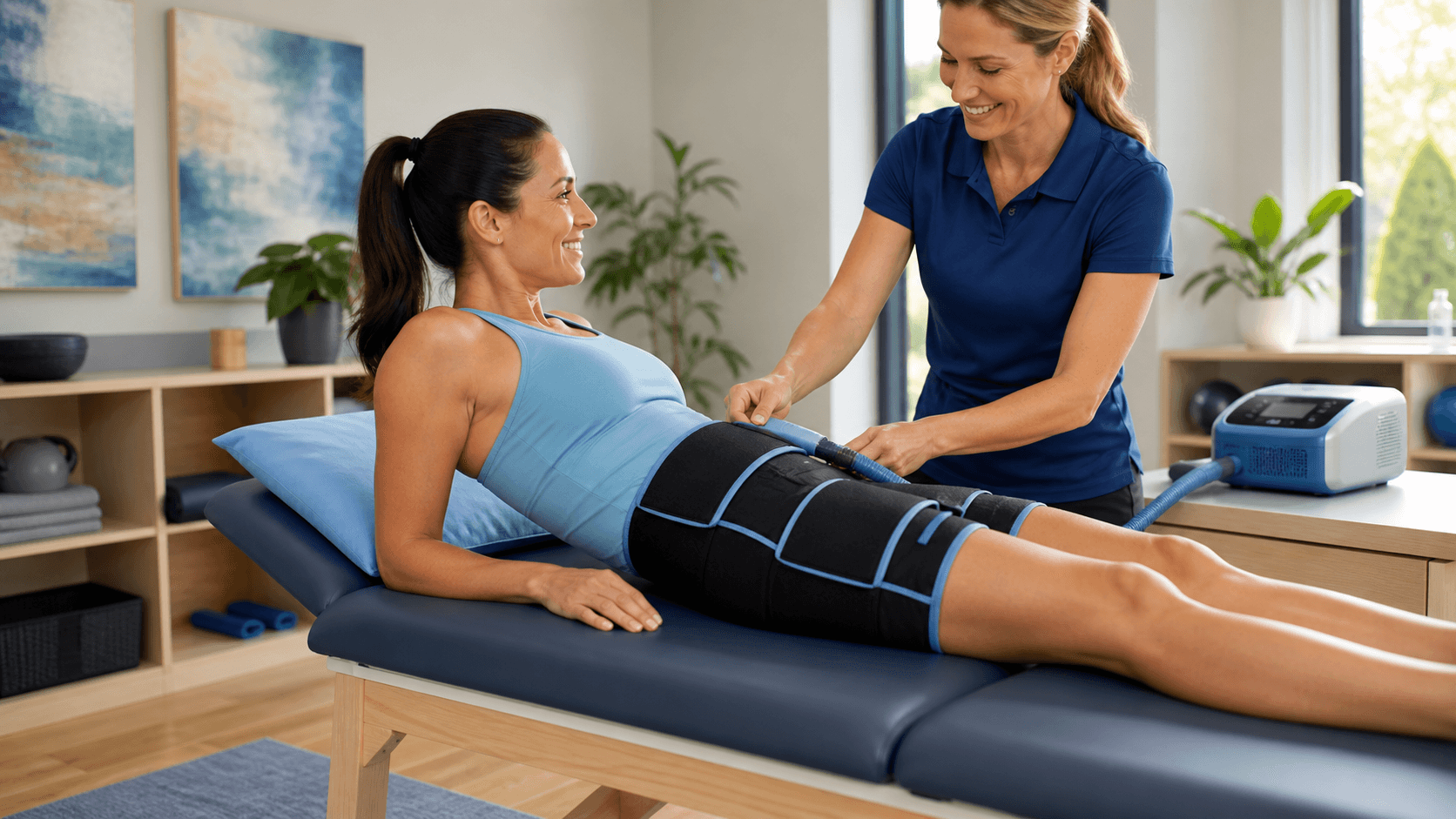
Cold therapy is one piece. Compression can add another helpful layer, especially for a small, complex joint like the wrist. When gentle compression is paired with cooling, it may support more efficient fluid movement in and out of the area. That may help manage swelling and stiffness after a heavy training day or long event.
Anatomically shaped wraps or sleeves can:
- Match the curves of the wrist and forearm
- Keep consistent contact on tendons and ligaments
- Reach small joint spaces that are hard to cover with a flat ice bag
- Stay in place more reliably while the athlete rests
From a performance angle, better control of post-session swelling may help maintain wrist mobility and grip comfort as the week goes on. That may make it easier to repeat skill work on back-to-back practice or game days, instead of losing quality because the joint feels puffy or locked.
At ORX Healthcare, temperature-therapy and compression systems are designed to deliver stable, repeatable settings that can be adjusted to the athlete's tolerance and stage of recovery. The goal is not just to feel cold, but to apply cold and compression in a controlled, consistent way that matches the demands of high-level training and aligns with clinical guidance.
How to Use Cold Therapy Safely in Your Fall Training Block
Fall can be tricky. Cooler air in many regions, including where we operate, may make joints feel stiff, even before practice begins. That is one more reason to be smart about how and when you use cold.
General timing guidance, always with a clinician's input, often includes:
- Focusing cold therapy for wrist pain in the first 24 to 48 hours after a flare-up
- Using it soon after high-load sessions or tournaments when soreness tends to spike
- Keeping sessions in the 10 to 20 minute range, with full rewarming between uses
Direct ice on bare skin is not advised. A barrier layer and proper system design help protect the skin. Athletes and staff should keep an eye out for warning signs like:
- Numbness that lingers long after the cold is removed
- Skin turning very pale, gray, or blotchy
- Pain that increases rather than eases over time
If any of those show up, it is important to stop and talk with a medical professional.
Cold timing also matters around skill work. Deep cooling right before high-precision tasks may blunt sensation and slow reaction, which is not ideal for fine control. Many athletes may do better when they:
- Use cold therapy after practice, games, or rehab
- Prioritize dynamic warm-ups, light cardio, and mobility before activity
- Build in a gradual ramp of load so the wrist is ready for fast movements
Building a Wrist Recovery Plan That Matches Your Sport
Cold therapy for wrist pain typically works best as part of a full plan, not a one-off fix. Athletes and clinicians can build a weekly recovery layout that lines up with practice and match schedules.
That plan might combine:
- Controlled cold and compression
- Mobility and stretching for the wrist, forearm, and shoulder
- Strength work for grip, forearm, and scapular control
- Technique checks to help reduce extra strain on the joint
Different precision sports need their own angles. Golfers and tennis players may need to manage swing volume, string or shaft setups, and practice buckets. Gymnasts may cycle impact days and focus on how long they are weight-bearing on their hands. Esports athletes may blend shorter play blocks with hand breaks and posture work around long typing or controller sessions.
Tracking simple data points can help athletes and clinicians see if the plan is working:
- Pain levels at rest, during play, and after play
- Range of motion, like how far the wrist can flex and extend without symptoms
- Grip strength, using a dynamometer when available
- Sport markers, such as shot accuracy, consistency, and perceived control
ORX Healthcare solutions are designed as tools that help bring clinical-style precision to real-world training, travel, and at-home rehab. This approach may be especially helpful during heavy fall competition blocks, when small changes in comfort and control may make a meaningful difference in performance.
Relieve Wrist Pain Faster With Targeted Cold Therapy Solutions
If wrist pain is limiting your work, training, or everyday activities, we can help you find a more comfortable path forward. Explore our specialized cold therapy for wrist pain solutions designed to support recovery and help you protect your joints. At ORX Healthcare, we focus on practical, clinically informed options you can actually use in real life. Have questions about what is right for you today? Contact us so we can help you take your next step.