How Active Adults Can Tackle TMJ and Jaw Pain
Jaw pain can make simple things like chewing, talking, or getting through a workout feel harder than they should. When the temporomandibular joint, or TMJ, gets irritated, you might feel aching along the side of your face, tight jaw muscles, headaches, or clicks and pops that do not feel right. For active adults, that pain can sneak into training, sleep, and daily work.
TMJ disorders are problems in the joint where your jaw meets your skull, along with the muscles and tissues that help you bite and talk. When that area is stressed, you may notice pain when you chew, stiffness in the morning, or a tired, heavy feeling in your jaw after a long day. Cold therapy for TMJ is one practical tool that may help calm this area so you can stay more consistent with workouts, work, and recovery. It is not a standalone fix, but it can be part of a broader plan that includes your dentist, doctor, or physical therapist.
Active adults and athletes tend to notice TMJ issues more. You might clench during max lifts, grind your teeth when training is intense, or take hits in contact sports that leave the jaw sore. Long endurance sessions, extra stress during competition season, and packed work schedules can all add up. That is where a simple, focused recovery strategy for your jaw starts to matter.
Understanding TMJ Pain in Active Lifestyles
Jaw pain is often a mix of muscle tension and joint irritation. Some common triggers include:
- Teeth grinding at night
- Clenching during heavy lifts or stressful meetings
- Past hits to the face or jaw
- Long hours with poor posture, like leaning over a laptop
- General stress that keeps your whole body "on guard."
When the TMJ is irritated, it does more than hurt. It can pull your focus during training or games. It might make it harder to eat the food you need to recover, or to chew tougher foods like meat and crunchy snacks. If your jaw aches at night, sleep may be lighter, which affects energy and strength the next day. Tension in the jaw often connects with tightness in the neck, upper back, and even the shoulders.
Fall and early winter can make this worse. Schedules get busier with:
- Competition seasons and tournaments
- Work deadlines and end-of-year projects
- Holiday travel and sleep changes
- Cooler weather that may increase general muscle stiffness.
If you notice your jaw aching more after long car or plane rides, late practices, or cold early morning runs, you are not alone. This is a common pattern in active adults.
How Cold Therapy May Help the TMJ Joint
Cold therapy is a simple idea with a lot happening under the surface. When you apply cold around the TMJ area, it may:
- Limit local blood flow for a short time, which can help reduce swelling
- Slow nerve signals so pain feels quieter
- Calm overactive muscles that are tight or cramping
- Give your body a short "reset" window to relax the area.
Cold therapy for TMJ is usually done in short, controlled sessions. It often works best when paired with other strategies like gentle jaw stretching, breathing drills to lower overall tension, and care from dental or medical professionals when needed.
Current clinical thinking is cautious but positive. Research suggests that targeted cold may help reduce pain for a while and improve comfort so you can chew, talk, or train with less distraction. Results vary a lot from person to person, and long-term outcomes depend on what is really causing the pain, such as grinding, joint changes, or muscle overload. Cold therapy is there to support comfort, not to claim a cure.
Smart Ways to Use Cold Therapy for TMJ at Home
If your clinician says cold therapy is appropriate for you, timing and technique matter. Many active adults find it useful:
- During a flare-up when the jaw feels hot, puffy, or extra sore
- After long days of clenching, like heavy lift cycles or stressful workdays
- After dental work, if your dentist or surgeon recommends cold
- On nights when you feel jaw tension building and want to calm it before sleep.
A common pattern is 10 to 15 minutes of cold at a time, then a break to let the skin and tissues recover. You might cycle this a few times in a day, as guided by your clinician. Short, regular sessions are usually better than one very long blast of cold.
Safety is key with cold therapy for TMJ:
- Always place a barrier like a thin cloth between the cold source and your skin
- Avoid placing cold over open wounds or very irritated skin
- Stop if pain spikes, numbness lasts longer than the session, or skin looks very pale or blotchy
- Do not fall asleep with a cold pack on your face.
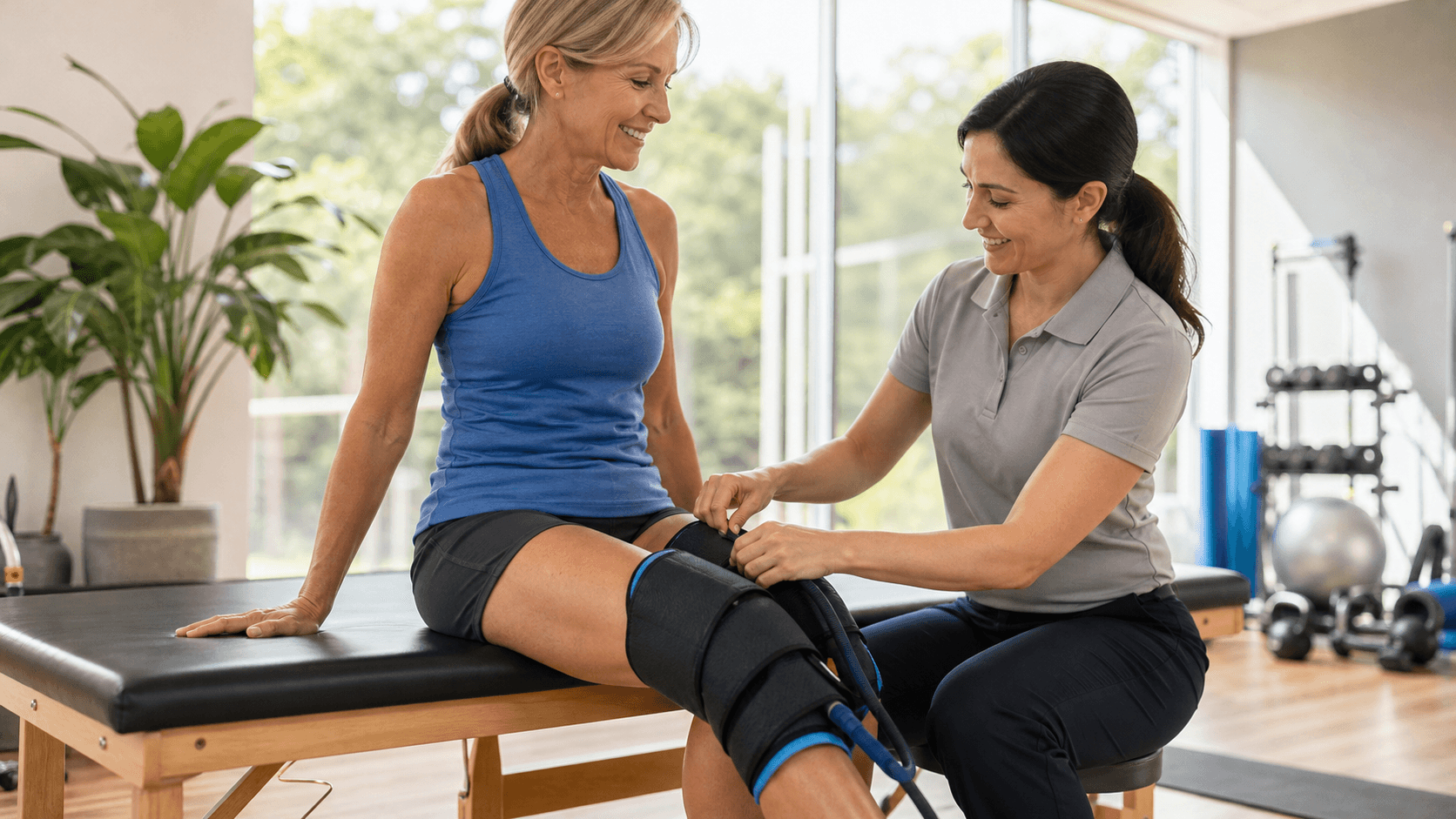
Many people start with improvised options like ice bags or frozen vegetables. These can work, but they can be uneven, too stiff, or hard to position on the face. Purpose-designed systems for the jaw are built to contour around the side of the face and joint line, giving more consistent temperature and gentle compression without blocking breathing.
Seasonal tip for November: jaw tension often climbs after long indoor training blocks, tournament weekends, and busy travel days. Planning a short cold session for your TMJ area, along with your normal post-training recovery, can help keep pain from building over the week.
Comparing Ice Packs, Wraps, and Advanced Systems
There are several ways to bring cold to the TMJ area, and each has trade-offs.
Basic options many people try:
- Frozen peas or similar items
- Simple gel packs
- Elastic wraps that you hold or tie in place.
These are easy to find, but they often warm up fast and do not match the shape of the jaw very well. You may need to hold them with your hand, which is tiring and makes it harder to relax.
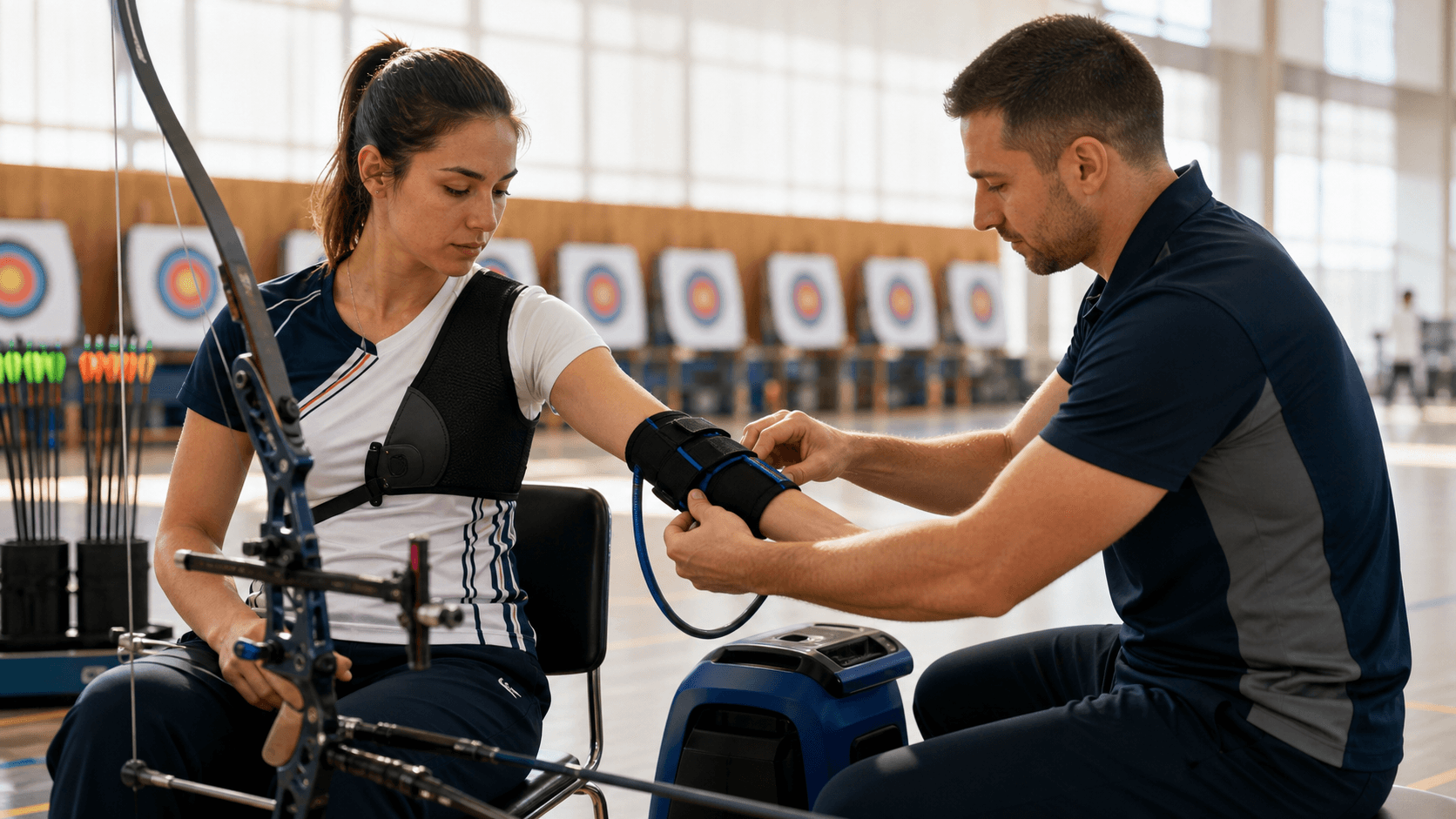
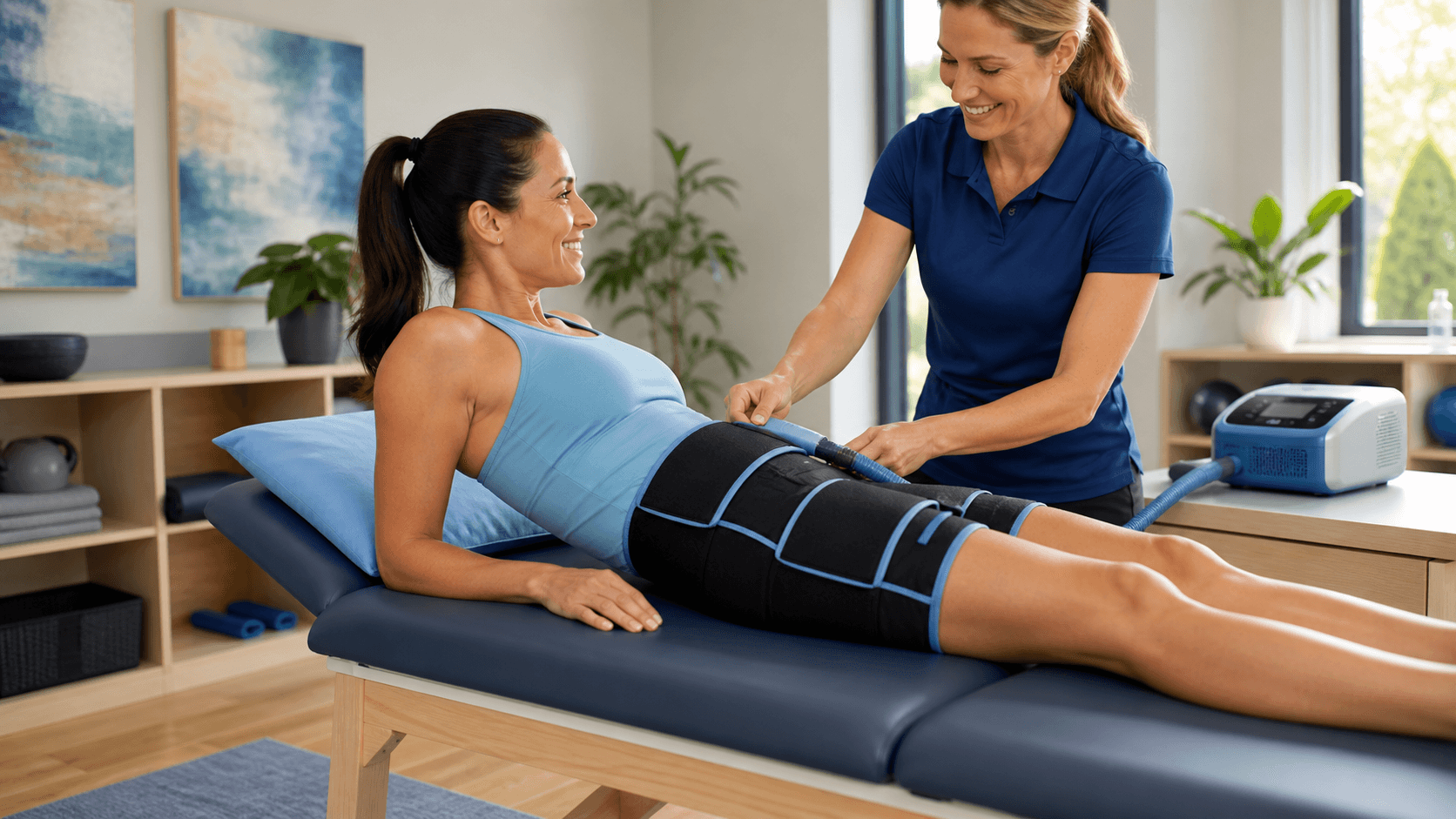
Advanced temperature-therapy and compression systems are built differently. They are designed to:
- Fit the curve of the jaw and side of the face more closely
- Deliver more controlled and even cooling across the TMJ region
- Apply gentle compression that may help limit swelling
- Stay in place so you can sit or lie comfortably without constant adjusting.
For busy, active adults, convenience matters. Reusable, quick-to-set-up systems fit better into real life, like coming home after a late practice or strength session. Some designs can also be used as part of a broader recovery routine that includes neck or shoulder areas, when your clinician says that is appropriate.
When to Talk to a Clinician About Jaw Pain
Cold therapy is not a replacement for a proper medical or dental evaluation. You should talk with a professional if you notice:
- Jaw pain that lasts more than a few weeks
- Locking or catching when you open or close your mouth
- Loud popping with pain every time you chew or yawn
- Trouble opening your mouth fully
- Headaches, ear pain, or ringing that keeps getting worse.
Different clinicians can help with TMJ-related problems, including:
- Dentists with specific experience in TMJ conditions
- Physical therapists, especially those who focus on the neck and jaw
- Sports medicine clinicians who understand training loads and contact sports
- Oral and maxillofacial specialists for more complex joint issues.
Cold therapy is best viewed as supportive. It is designed to help manage symptoms, protect your ability to do daily tasks, and make training more tolerable while your care team works on the root cause. At ORX Healthcare, we keep that bigger picture of care in mind as we design performance-focused temperature-therapy systems that clinicians can integrate into treatment plans for active adults.
Find Lasting Relief From TMJ Pain With Targeted Cold Therapy
If TMJ pain is disrupting your daily life, we are here to help you take a more comfortable next step. Explore how our specialized cold therapy for TMJ solutions can fit into your routine and support your recovery goals. At ORX Healthcare, we focus on practical, evidence-informed options that you can actually use day to day. If you have questions or need guidance choosing the right approach, please contact us so we can support you one-on-one.