Faster, Safer Rehab with Targeted Cold Therapy
Localized cold therapy treatment is simply cold therapy aimed right where you need it, at the right temperature, for the right amount of time. It is different from tossing a bag of ice on your leg and hoping for the best. With targeted cold, the goal is control, so the area gets enough chill to help, without going too far and irritating the skin or slowing healing.
This matters a lot in spring and early-summer. Outdoor sports pick up, people run more, play more, and push harder. That means more ankle rolls on wet grass, shoulder overuse from throwing, and knee pain as training ramps up. After surgery, controlled cold can also help with pain and swelling so you can focus on your rehab plan.
At ORX Healthcare, we focus on temperature therapy and compression that work together with your rehab, not against it. Our devices are built with performance, control, and comfort in mind so clinicians, athletic trainers, and at-home users can follow consistent, evidence-informed protocols. In this guide, we share simple protocol templates for knee, shoulder, ankle, and elbow that you can bring to your healthcare professional and adjust for your own situation.
Core Principles of Localized Cold Therapy Treatment
Cold therapy changes how blood and nerves behave in the area you treat. When you apply cool temperature to injured tissue, a few key things happen:
- Blood vessels tighten, which can limit extra fluid from building up
- Nerve signals slow, which can reduce the feeling of pain
- Tissue metabolism drops, which can limit extra tissue damage around the injury
Timing matters. Many providers use localized cold therapy treatment in:
- The first 48 to 72 hours after a new injury
- Flare-ups of long term joint or tendon pain
- Right after practices, runs, or games as spring and summer training loads grow
General settings are always something to confirm with your provider, but common points to discuss include:
- Temperature range that keeps tissue cool but not painful
- Session length, often around 10 to 20 minutes
- Frequency per day, often several short sessions instead of one long one
- How much compression to pair with cold, to help move fluid and improve cold contact
Safety always comes first. Some simple rules help keep treatment safer:
- Check the skin often for color and feeling
- Use a thin barrier if recommended, not bare ice on skin
- Avoid cold over open wounds, poor circulation, or areas with reduced feeling
- Stop and contact a clinician if you see blistering, gray or very pale skin, or strong burning pain
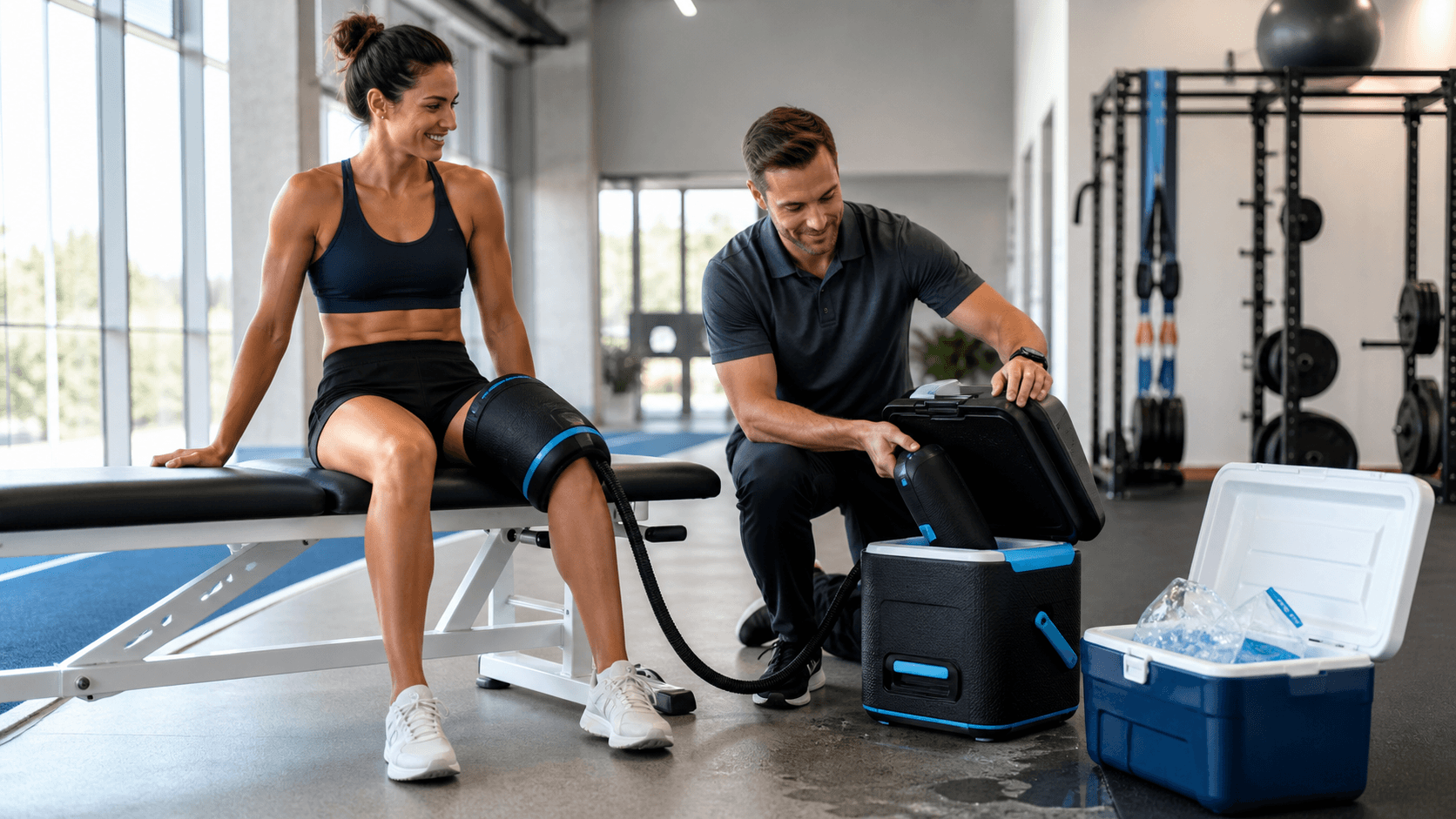
Controlled devices, like the type we design at ORX Healthcare, let you repeat the same settings every session, which is very different from guessing with bags of ice, frozen peas, or hard gel packs.
Knee Rehab Protocol Template for Sprains and Post Op
The knee takes a lot of load during field sports, running, and court play. Common issues include ACL or meniscus surgery, MCL or LCL sprains from cutting and pivoting, and patellar tendon pain when training volume climbs.
A sample knee protocol template to review with your clinician could look like this:
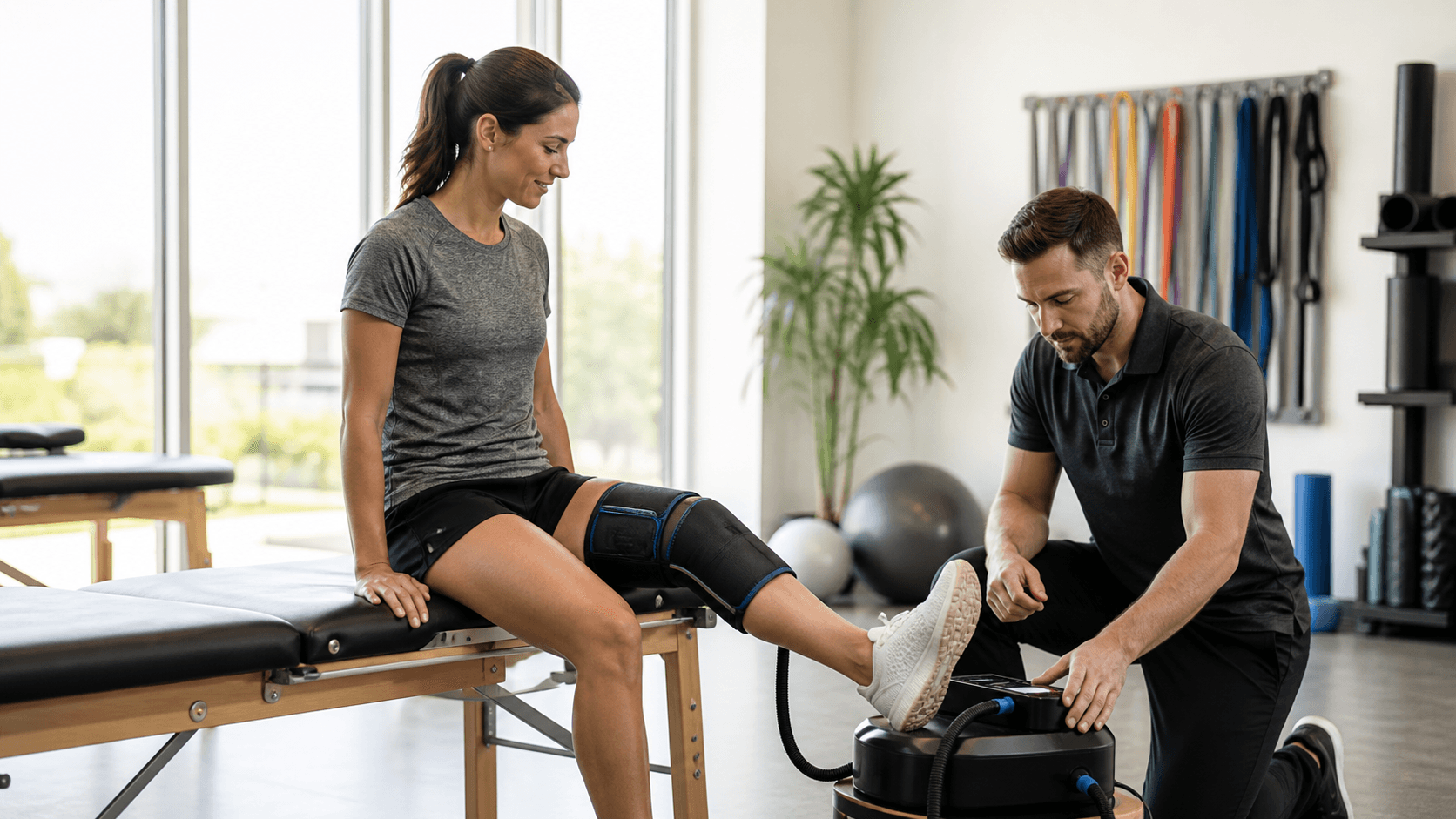
- Acute phase, days 1 to 5: Localized cold therapy treatment with adjustable compression, about 15 to 20 minutes, 3 to 5 times each day. Focus on right after walking, rehab drills, or any activity that causes more swelling.
- Subacute phase, days 6 to 21: Continue cold plus intermittent compression after physical therapy sessions and at the end of the day, when the knee often feels full or sore.
- Return to sport phase: Use an active warm-up without cold before play. Save targeted cold for after practices, scrimmages, or runs to calm inflammation and help recovery.
Positioning tips for the knee:
- Lie back or recline with the leg slightly raised on pillows to help fluid move out of the joint
- Make sure straps sit flat above and below the kneecap, not cutting into the back of the knee
- Keep your knee movement drills and strengthening work on schedule, unless your provider says otherwise
Watch for red flags, such as:
- Pain that gets sharper or more constant, instead of slowly easing
- New loss of motion, like you suddenly cannot bend or straighten as far
- Odd skin changes under the cold area, like dark blotches or numb patches that do not improve
If any of these show up, stop treatment and talk with your healthcare professional.
Shoulder Cold Therapy Protocol for Overuse and Surgery
Shoulders can get angry fast when throwing, swimming, or lifting picks up in warm weather. Common issues include rotator cuff strain or tears, labral repairs, AC joint sprains, and general overuse from repeated overhead work.
A simple shoulder template might include:
- Early protection phase: Localized cold therapy treatment for about 10 to 15 minutes, 3 to 4 times per day. Aim at the top and side of the shoulder, while the arm is supported on pillows or a sling as directed by your surgeon or therapist.
- Functional phase: Use cold with light compression after rehab sessions or throwing programs. The goal is to limit swelling and soreness after work, not to fully numb the joint before you move.
Application tips:
- A reclined or side-lying position often feels best, especially early on
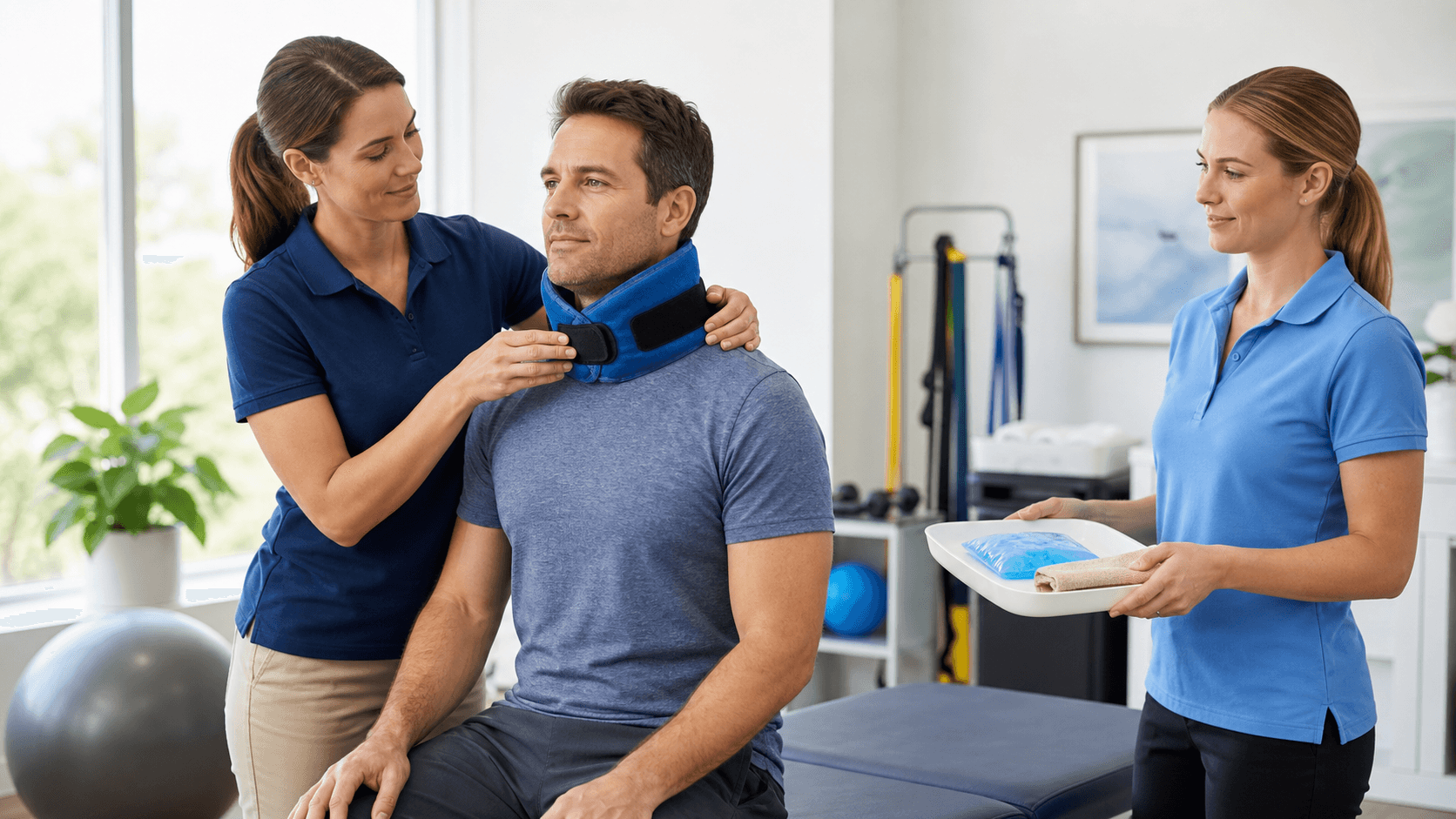
- Keep straps away from the front of the neck to avoid pressure on nerves and blood vessels
- Work in gentle pendulum exercises and scapular activation as cleared by your provider, so the shoulder does not stiffen up
If pain spikes at night, you lose more motion over several days, or your shoulder feels stuck or unstable, bring that up with your clinician as soon as you can.
Ankle and Elbow Protocols for Spring and Summer Sports
Ankles and elbows take a beating when outdoor sports and yard work pick up, especially in places with mixed spring weather, where wet fields and trails are common.
For ankle rehab, a basic template may look like this:
- First week after an acute lateral sprain: Cold plus compression about 15 to 20 minutes, 3 to 5 times daily, along with elevation when you rest. Focus the wrap around the outer and inner ankle so both sides of the joint are covered.
- Progression phase: As you start walking more, doing balance drills, and light jogging, shift to post-practice or post-run sessions. Shorter treatments after plyometric or agility work can help manage minor swelling as activity builds.
For elbow issues, especially from racket sports, golf, or throwing:
- Overuse phase: Short bouts of localized cold therapy treatment after practice and after gripping or forearm exercises. Aim at the bony area on the outer or inner elbow, based on where your pain sits.
- Post-op or severe tendinopathy: Scheduled sessions of about 10 to 15 minutes, 2 to 4 times per day, as your provider directs. Over time, you can taper the number of sessions as symptoms calm and strength improves.
Technique tips:
- For ankles, keep the foot relaxed at a right angle so the wrap can reach both the lateral and medial ligaments
- For elbows, wrap around the joint without locking it straight, so you can still gently bend and straighten
- Adjust compression so it feels snug but not painful, and ease off if you see more swelling below the wrap or feel pins and needles
Turn Protocols Into Daily Habits with ORX Solutions
Cold therapy only works if you can stick with it. The best plan is the one you can follow day after day, at home, at the clinic, or on the sideline. We always suggest bringing these templates to your surgeon, physical therapist, or athletic trainer so they can adjust timing, temperature, and frequency for your body and your sport.
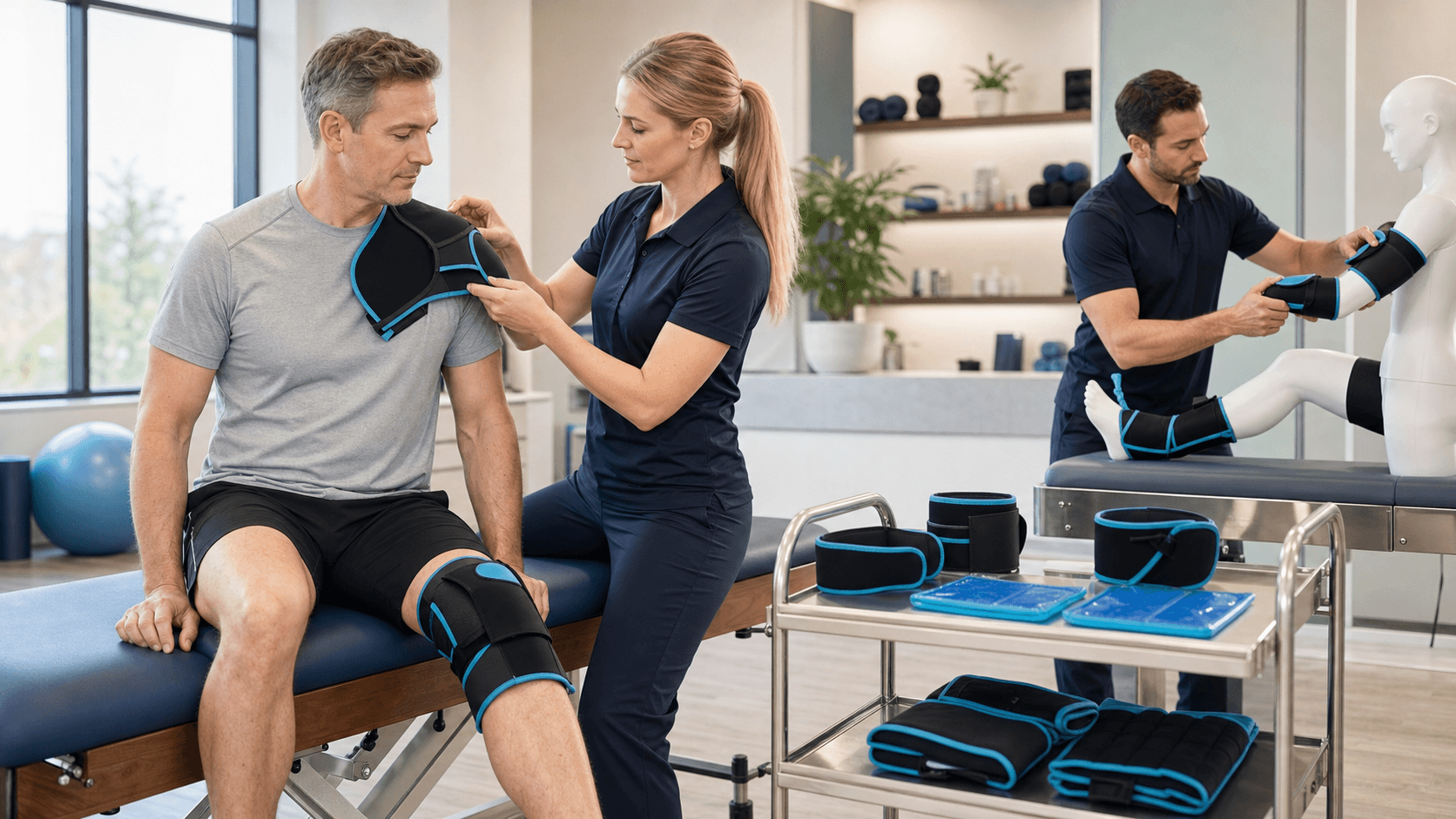
At ORX Healthcare, we design temperature therapy and compression devices that help make that daily consistency easier. The goal is simple, repeatable settings for the knee, shoulder, ankle, or elbow, so you are not guessing with every session. When your plan is clear and your tools are reliable, it is easier to track changes in pain, swelling, and performance across the late spring and summer rehab period and to share that feedback with your care team.
Take Control Of Your Recovery With Targeted Relief
If you are ready to ease pain, reduce swelling, and support faster healing, our localized cold therapy treatment options are designed to fit seamlessly into your daily routine. At ORX Healthcare, we focus on practical, science-informed solutions that help you stay active and comfortable. Explore what works best for your needs, and if you have questions about which approach is right for you, please contact us so we can help you move forward with confidence.