When Simple Ice Packs Are No Longer Enough
Cold therapy gets a lot more attention once late September hits. Fall sports are in full swing, surgical schedules get busy before the holidays, and everyone wants faster, safer recovery. At first, a simple ice bag or gel pack can seem good enough. But as cases get more complex, that basic approach can start to fall short.
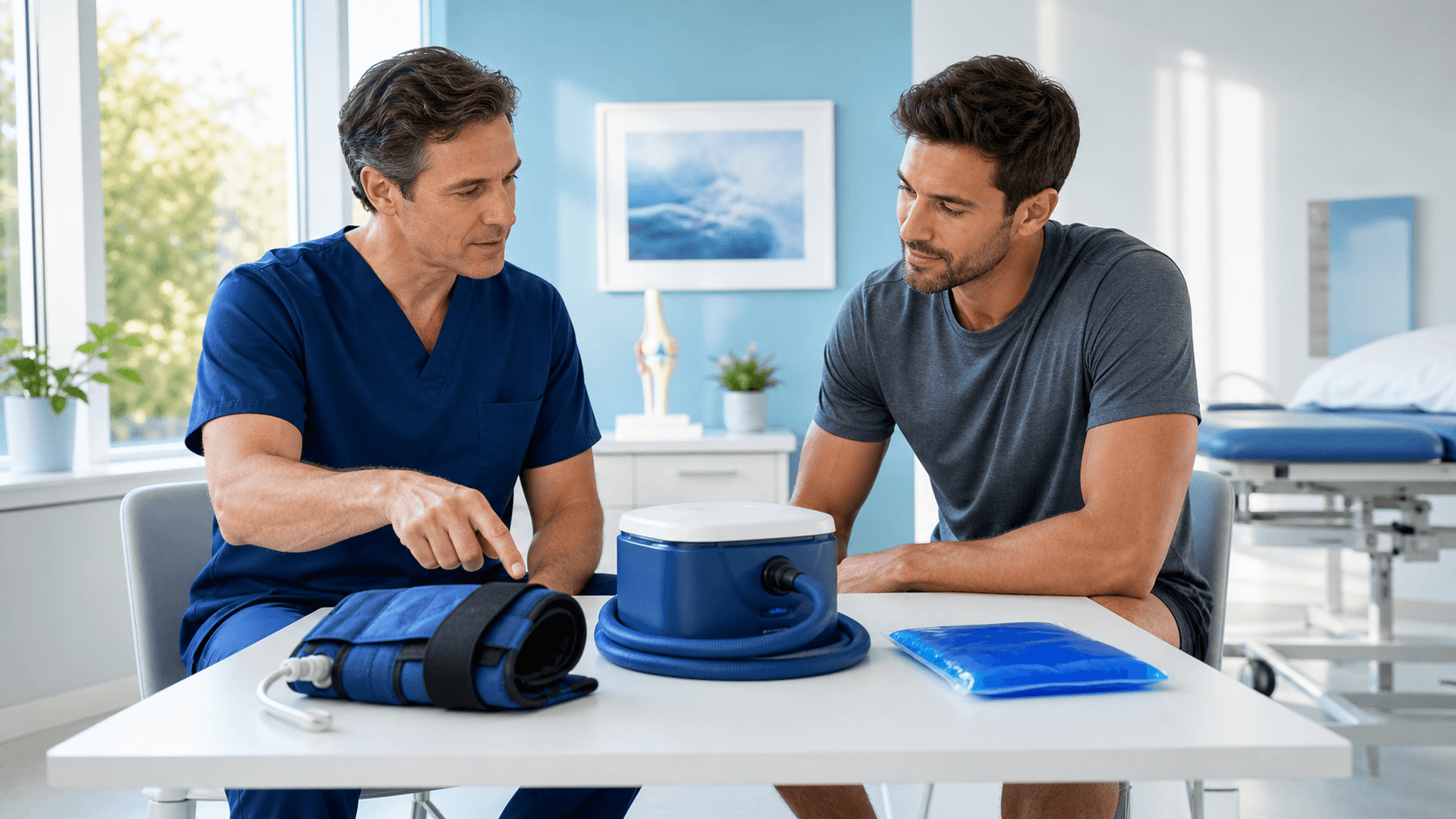
Traditional ice is hard to control. It starts very cold, warms up fast, and cools some spots more than others. That makes it tough to know what a patient actually received, session to session. There are clear clinical points where it makes sense to move from basic ice to medical-grade cold therapy, with better control over temperature, skin protection, and treatment time. Our goal here is to bring clarity to those decision points so teams can standardize care and lower risk.
Why Temperature Accuracy Matters More Than You Think
Cold therapy is not just "as cold as possible." Most clinical protocols aim for the skin surface to sit roughly in the 50 to 59 degree Fahrenheit range, or about 10 to 15 degrees Celsius. Cooler than that, and the risk to skin and superficial nerves goes up, especially over small joints and bony areas. Warmer than that, and the effect on pain and swelling may drop off.
Simple ice packs struggle with accuracy because they often begin near freezing (around 32 degrees Fahrenheit), and the first 10 to 15 minutes can overshoot safe cooling targets. As the pack warms, it tends to do so unevenly, which means some areas may stay too cold while other areas lose therapeutic effect.
Medical-grade cold therapy systems are designed to hold a set temperature window instead of swinging widely. That stable range may help reduce skin and nerve complications and makes dosing more repeatable.
The need for accurate temperature typically shows up most in:
- Complex surgeries like ACL reconstruction, rotator cuff repair, or joint replacement
- High-risk body areas such as the ankle, elbow, hand, or foot
- Patients with lower tissue tolerance who cannot afford mistakes in dosing
- Settings where hospital or rehab protocols call for defined temperature ranges
When the same temperature can be delivered session after session, it also becomes much easier to build and study standard post-op and sports rehab pathways.
Protecting Skin and Nerves During Cold Therapy
Too much cold for too long can damage tissue. Skin, small blood vessels, and superficial nerves are most at risk, especially over thin tissue or sharp bone edges. The risk is influenced not only by how cold the pack is, but also by how it contacts the body, how long it stays on, and whether anyone is monitoring the session.
Common safety issues with basic ice include:
- Putting ice or gel directly on the skin without a barrier
- Falling asleep with ice on and losing track of time
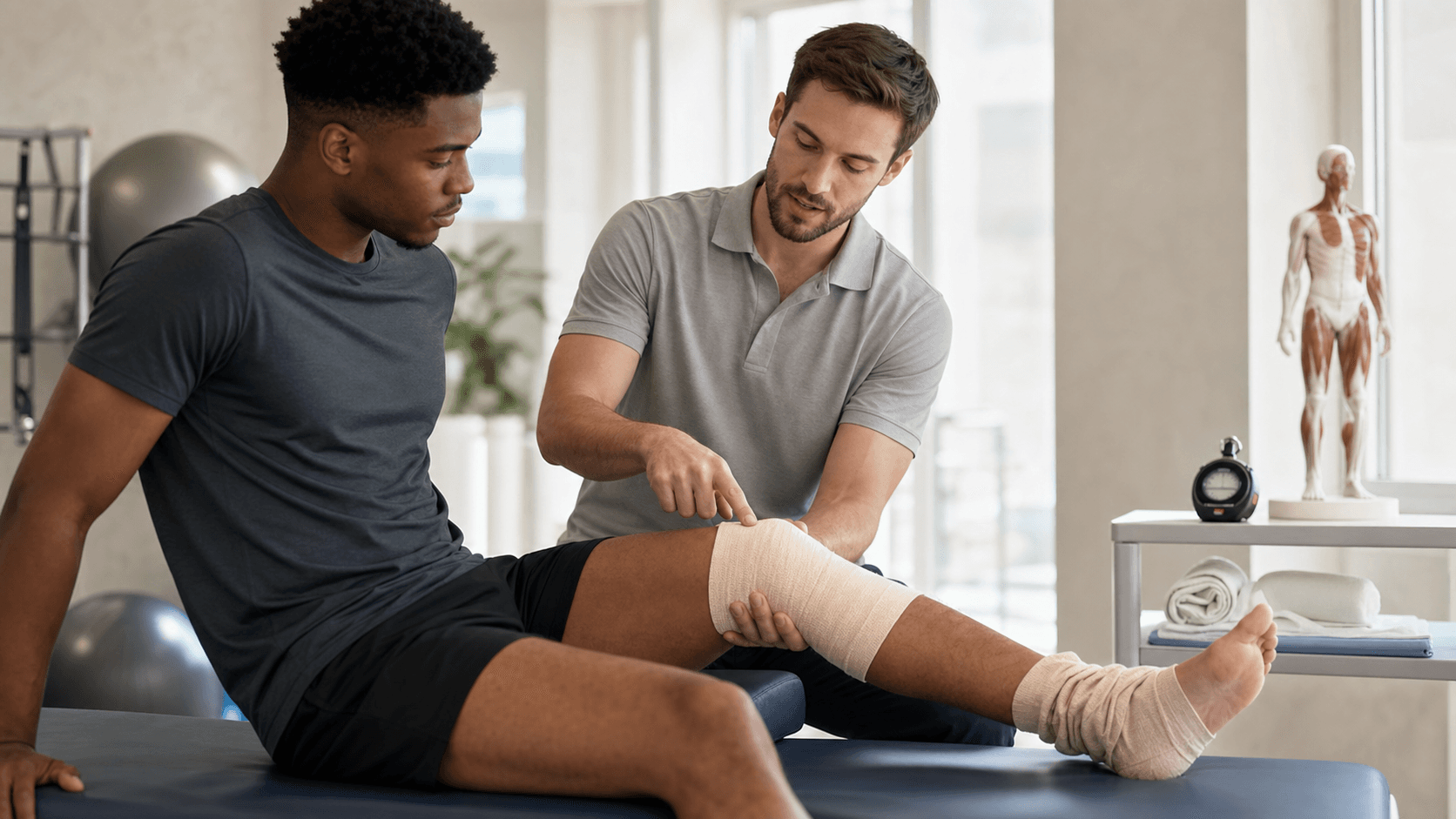
- Wrapping packs tightly with tape or elastic, creating pressure points
- Using odd-shaped bags that leave hot and cooling spots
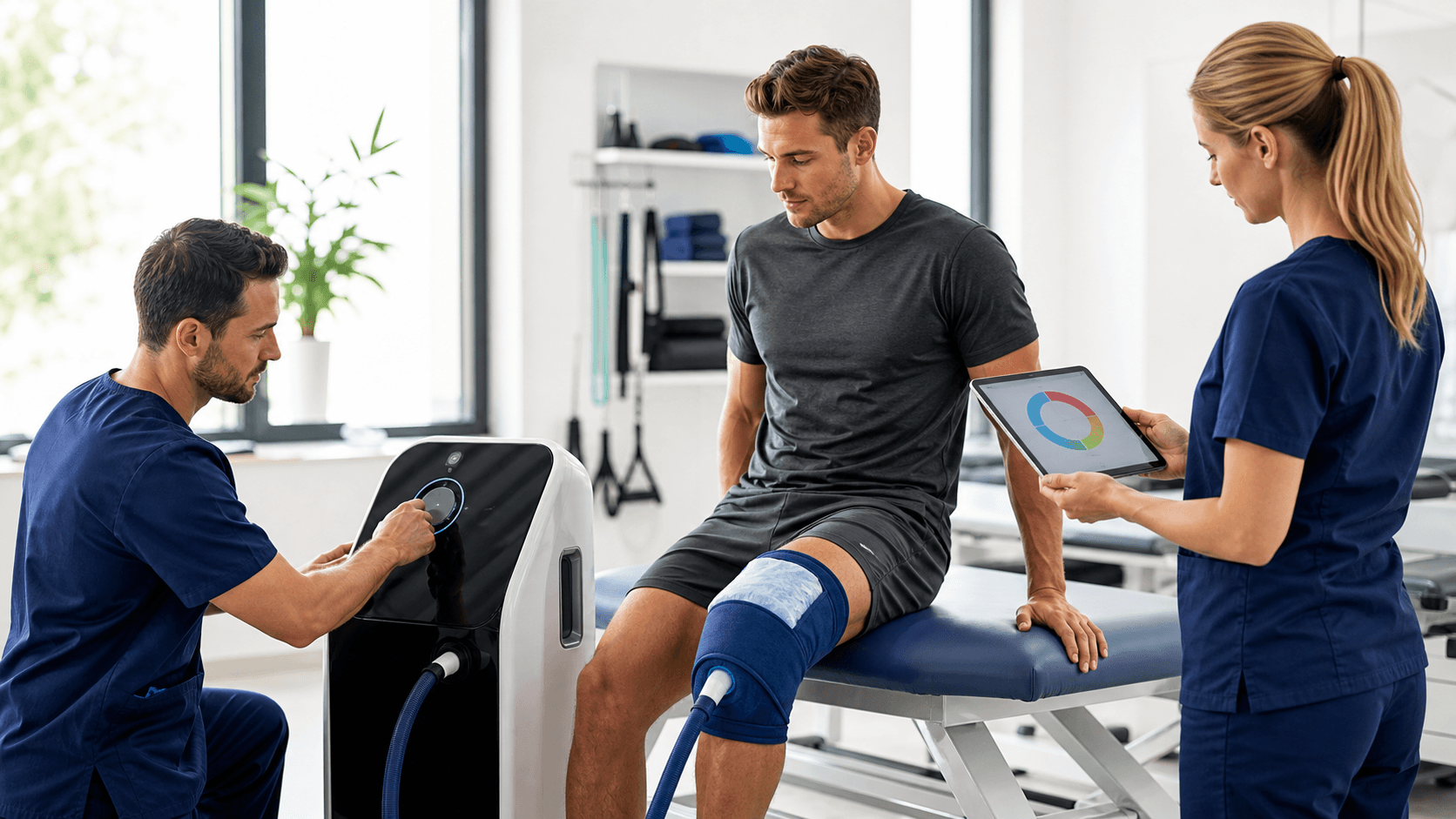
Medical-grade cold therapy devices try to reduce some of these issues by design. Many use wraps that spread cooling over a larger area, with insulation layers between skin and the cold source. System controls can include:
- Programmable temperature ceilings to avoid extreme cold
- Automatic shut-off or timed cycles to limit exposure
- Adjustable compression to avoid excessive pressure on fresh incisions or sensitive tissue
Clear upgrade criteria around skin and nerve safety often include:
- Fragile or high-risk skin, such as post-radiation or diabetic tissue
- Post-op incisions or graft sites that must be protected
- Areas where peripheral nerves are close to the surface
- Any case where the provider needs consistent protection of tissue integrity, not guesswork
Getting Duration and Frequency Right Every Session
Cold therapy is a dose. Duration, frequency, and rest time between sessions matter just as much as the temperature itself. Too long, and tissue risk grows. Too short or too far apart, and pain and swelling may not be well controlled.
With basic ice, teams often see sessions run far past the usual 20 to 30 minute limit, irregular timing between cycles (especially at home or overnight), and no reliable record of how often or how long the patient actually used cold.
Medical-grade cold therapy systems can help standardize that dose:
- Pre-set programs, such as 20 minutes on and 40 minutes off cycles
- Built-in timers, alarms, or auto shut-off to support adherence
- Adjustable settings for different phases, like immediate post-op versus late-stage sports rehab
Upgrade triggers around treatment timing often include:
- Patients with complex pain or major swelling after surgery or injury
- High-level athletes under tight return-to-play timelines
- Home-care situations where caregivers need clear, simple guidance
- Patients with a history of poor adherence or confusion about instructions
Screening Contraindications and Setting Documentation Standards
Cold therapy is not right for everyone. Some medical conditions call for higher control and closer oversight. Before prescribing or issuing any cold modality, it is helpful to screen for conditions such as:
- Vascular disease or poor circulation
- Raynaud's phenomenon or similar cold sensitivity
- Uncontrolled diabetes or impaired sensation
- Cryoglobulinemia or other cold-related blood issues
- Post-op anticoagulant use or slow wound healing
- Very young, very old, or cognitively impaired patients
Medical-grade cold therapy can fit into risk management by supporting standardized workflows. Teams can build:
- Screening checklists that are documented in the chart
- Clear written settings and protocols tied to specific procedures
- Records in medical or athletic files that show what was prescribed
Some systems can also log usage data like temperature range, duration, and number of cycles. That kind of information can support quality improvement and may help if there are later questions about what care was actually delivered.
It is usually time to move from "just ice it" to a documented modality when:
- Surgical pathways include cold therapy as part of recovery or pain control
- Institutional rules expect informed consent for modalities with tissue risk
- School and pro programs want consistent, traceable protocols across athletes and seasons
Stepwise Protocol for Upgrading to Medical-Grade Cold Therapy
To keep things simple, we often suggest a stepwise approach for clinicians, athletic trainers, and rehab teams.
Step 1: Rate risk as low, moderate, or high based on:
- Type of surgery or injury
- Sport demands and timeline to return
- Medical history and tissue quality
- Location of treatment area
Step 2: Match modality to risk:
- Low risk, short term, low stakes: basic ice with strict education
- Higher risk, high stakes, or longer recovery: medical-grade cold therapy for better control
Step 3: Confirm access, education, and monitoring:
- Who will help the patient or athlete at home or in the training room?
- Can they follow instructions and respond to early warning signs?
- Do you need data back from the device?
As fall sports like football, soccer, and early hockey create more acute injuries, and as more people schedule surgeries before winter holidays, standardized cold protocols become even more useful. Systems like the portable platforms from ORX Healthcare are designed to deliver controlled temperature, optional compression, and contrast therapy that sit at the intersection of clinical precision and athletic performance. They support both postoperative recovery and in-season rehab, making it easier to roll out the same high-standard of care across settings.
Turning Cold Therapy Into a Controlled Performance Tool
Upgrading from ice packs to medical-grade cold therapy is not about buying a fancy gadget. It is about tighter temperature control, better skin and nerve protection, smarter dosing, careful screening, and solid documentation. When those pieces line up, teams may see fewer complications, more predictable pain and swelling control, and clearer recovery plans for both patients and athletes.
For clinicians, athletic trainers, and performance staff, the next move is to look honestly at current cold-therapy habits as the busy fall period builds. Identify your highest-risk procedures or athletes, then decide where a controlled system could have the greatest impact. At ORX Healthcare, we design portable, medical-grade cold and compression systems to help bridge clinical standards with performance demands so organizations can turn cold therapy into a reliable, repeatable tool in every season.
Experience Targeted Relief With Proven Cold Therapy Solutions
Discover how our medical-grade cold therapy can support safer, more effective recovery for you or your patients. At ORX Healthcare, we design our systems to deliver consistent, controlled cooling so you can confidently integrate them into your pain management or post-surgical protocols. If you have questions about choosing the right option for your needs, contact us so we can help you take the next step.