Pre-season camps and long summer tournaments push athletes to their limits, so recovery can no longer be an afterthought. A smart recovery room, built around temperature therapy, gives teams a real edge when the heat, humidity, and tight schedules start to stack up. When we design recovery spaces with cold, heat, and contrast therapy at the center, we help athletes turn around faster between sessions and show up ready to perform.
In this article, we will walk through how to plan a temperature-therapy-focused recovery room from the ground up. We will look at room layout, professional sports recovery equipment, station design, staff workflow, and how to keep the space flexible as technology changes. The goal is simple: turn your recovery room into a place that actually helps you win.
Recovery Rooms That Win Championships
For many teams, the recovery room has shifted from a bonus feature to a core part of the performance plan. Summer two-a-days, weekend tournaments, and back-to-back travel days all beat athletes up in different ways. The teams that handle those loads best usually have a clear, consistent recovery setup that everyone trusts and uses.
Temperature therapy should sit at the center of that room. When cold, heat, and contrast therapy are easy to access, well organized, and professionally managed, athletes can move through recovery quickly instead of wandering around looking for a free device or an open table.
In the sections ahead, we will cover:
- How to zone the room for flow, privacy, and safety
- How to choose professional sports recovery equipment that matches your roster
- How to design temperature-therapy stations that make sense for real schedules
- How to plan protocols and future upgrades without constant rebuilds
Why Temperature Therapy Belongs at the Center
Cold, heat, and contrast therapy can support the body in different but linked ways. Cold is often used to help manage post-training discomfort and swelling. Heat can help relax tissue and support blood flow before lighter sessions or skill work. Contrast, moving between hot and cold, can help drive circulation and support recovery after heavy loads.
During hard training blocks and summer prep, temperature therapy can be worked into the full plan:
- Off-season, to help athletes bounce back after strength and conditioning
- Pre-season, between intense practices on hot days
- In-season, after games in quick succession and long travel stretches
Temperature therapy also pairs well with other tools. Many rooms link it with:
- Compression systems
- Soft-tissue work like massage or manual therapy
- Light movement, mobility, or low-intensity cycling
When these pieces are coordinated, the recovery room becomes a consistent part of the training schedule, not a random add-on.
Planning the Space for Flow, Privacy, and Compliance
Good design starts with flow. We like to think in zones that guide athletes through a simple path:
- Intake and assessment area, where staff can check how the athlete feels and pick a protocol
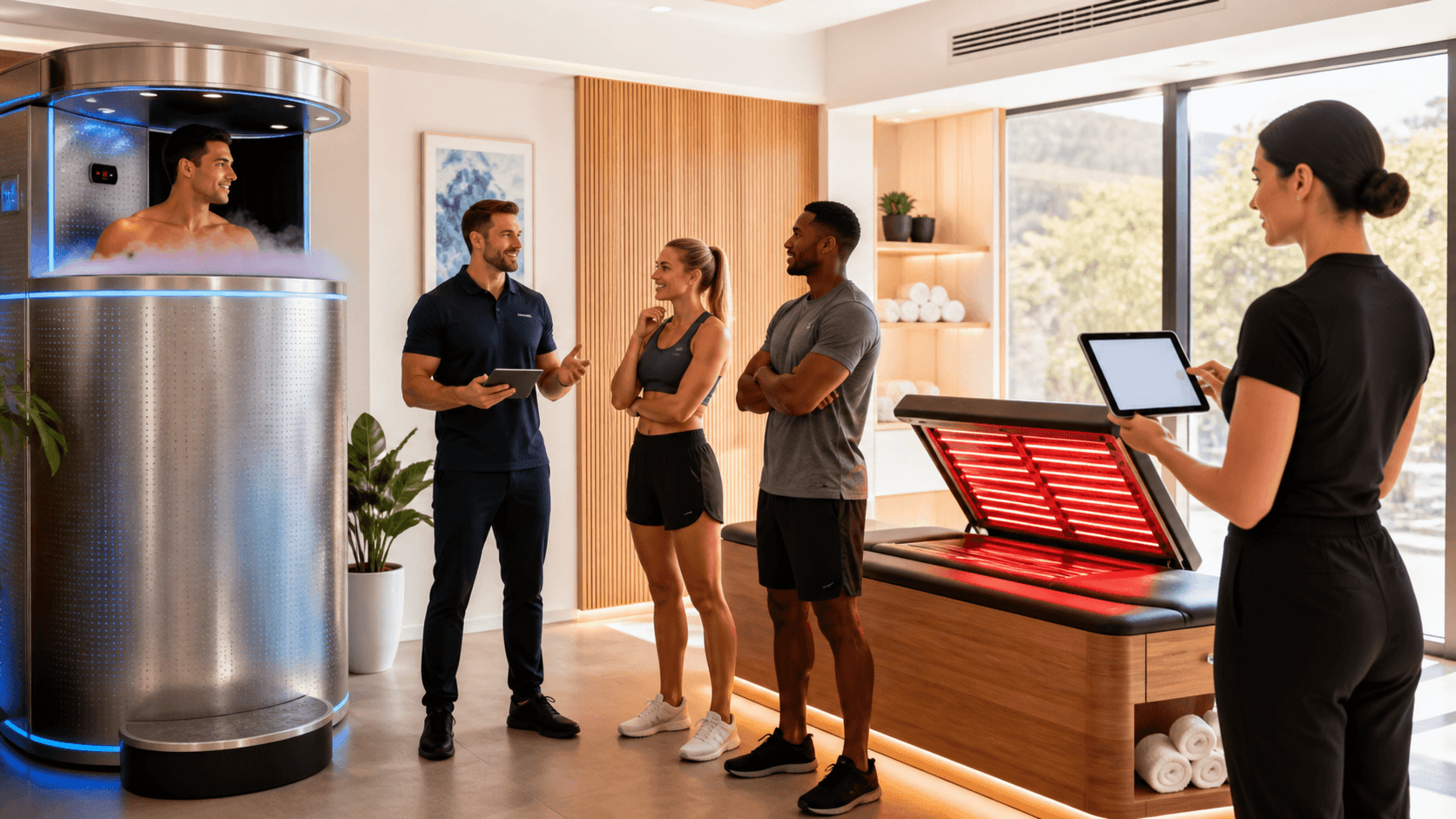
- Temperature-therapy stations, grouped by cold, heat, and contrast
- Compression and relaxation zone, slightly quieter with dimmer light
- Quick-exit path, so athletes who are on a tight clock can move out fast
Privacy and comfort matter more than people admit. Before big late-summer games or tournaments, many athletes are feeling stress and fatigue. Curtains, low walls, and sound-absorbing panels help the room feel calm instead of chaotic. Softer lighting, clear signs, and easy instructions keep the space from feeling like a hospital wing.
On the safety and compliance side, a temperature-therapy-heavy room needs:
- Non-slip flooring that holds up against water and traffic
- Smart drainage near any area that might see drips or spills
- Proper electrical access for devices without cords across walkways
- Clear infection-control routines and cleaning stations
- A layout that respects ADA requirements so every athlete can use the space
Choosing Professional Sports Recovery Equipment That Scales
Not all gear is built for team use. Professional-grade devices are designed for frequent, daily use by many athletes. Key differences from consumer products often include:
- More precise temperature control over time
- Consistent performance during long training blocks
- Durable materials and fittings that hold up to travel and heavy handling
- Options for data capture and tracking sessions
To match equipment to your roster and schedule, think about:
- Total roster size, plus staff and rehab athletes
- Peak use times, like right after practice or games
- Late-summer patterns, when heat and tournament play increase load
For many programs, a mix of devices makes sense. Some units live in the main recovery room. Others are portable, so they can travel to training camp, hotel meeting rooms, or sideline setups without losing professional performance. That flexibility helps you keep the same protocols in place wherever the team goes.
Designing Temperature-Therapy Stations for Maximum Impact
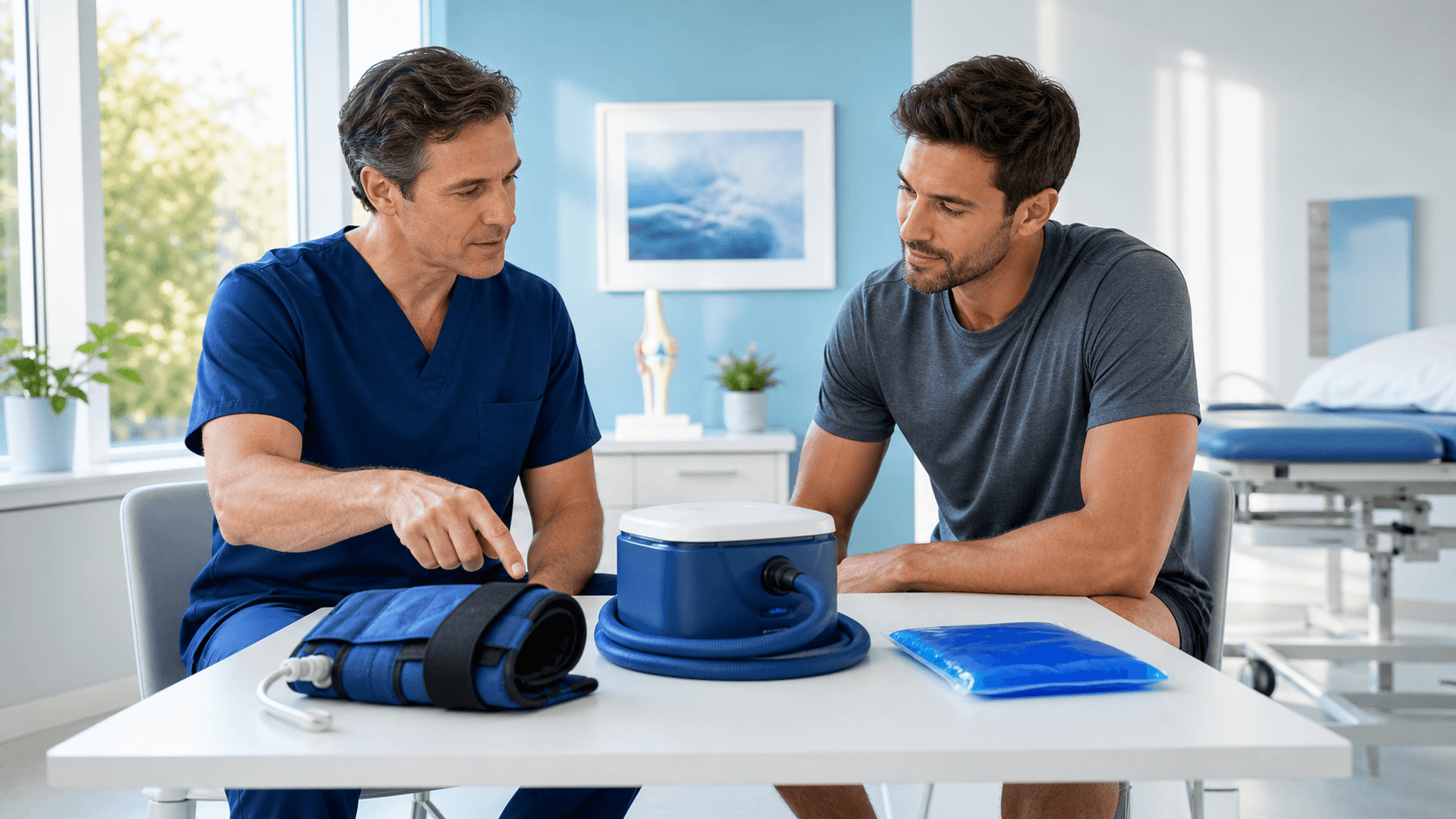
Cold therapy hubs are often the busiest parts of the room. To keep them running smoothly:
- Use stable tables or comfortable chairs with arm and leg support
- Plan cable and hose paths so people are not stepping over lines
- Keep wraps, sleeves, and sanitary barriers within arm's reach
- Place cleaning supplies and used-item bins right at each station
Heat and contrast areas need a clear workflow. Athletes should know:
- Where to start
- How long each phase lasts
- How many rounds to complete
- Where to go next if compression or soft-tissue work is part of the plan
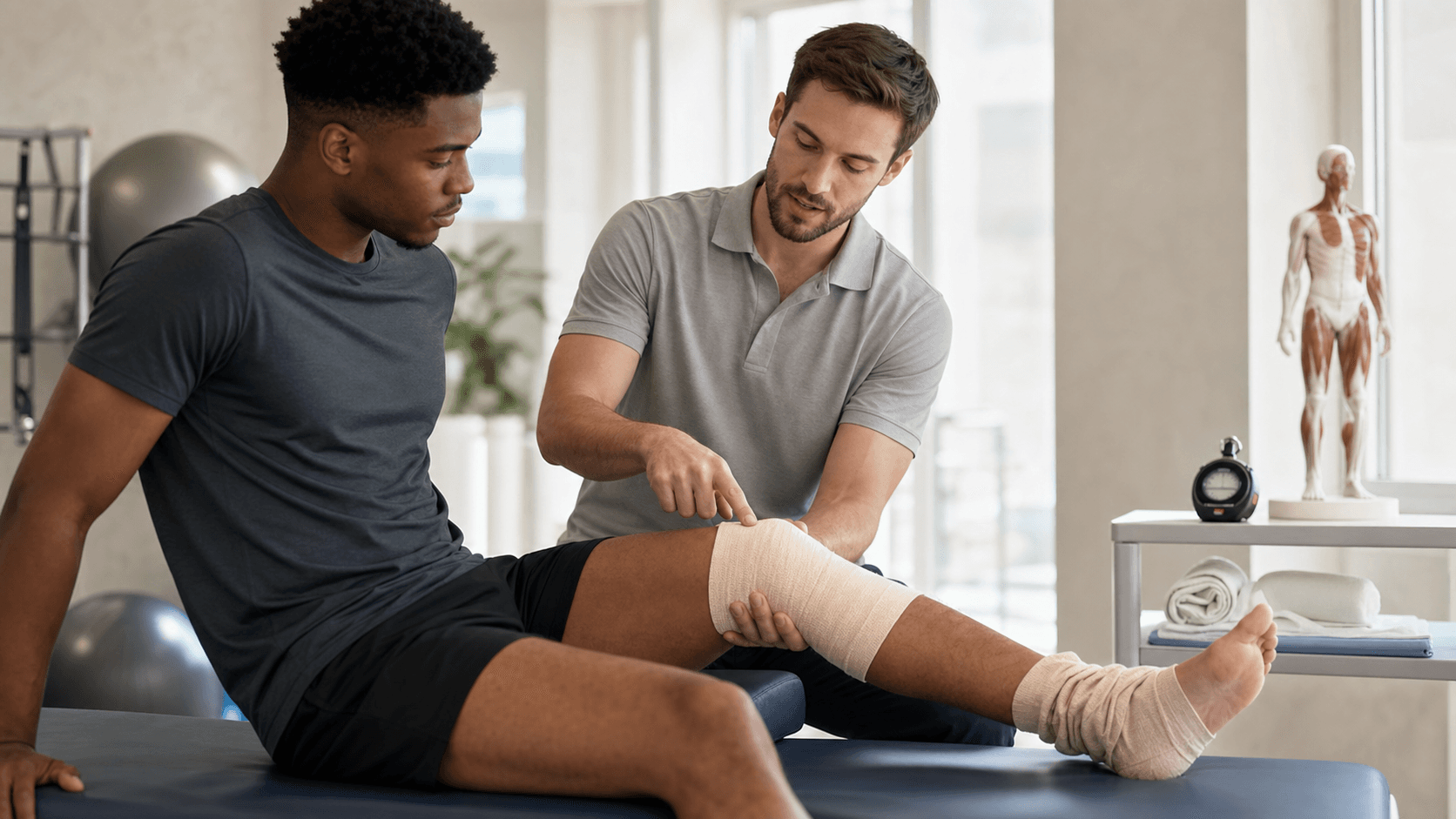
Compression can be paired with temperature therapy in different ways. Some staff like cold plus compression at the same time. Others prefer cold first, then compression, depending on the sport, position, and time of season. The key is to design stations so athletes can shift from one to the other without clogging up tight corners.
Building Efficient Protocols and Staff Workflows
Without structure, even the best room turns messy. One helpful approach is to build standard recovery menus by position, sport, and training load. For example:
- Short turnarounds after speed work
- Long, heavy contact sessions
- Travel days with long bus or plane time
Each menu can list:
- Temperature mode: cold, heat, or contrast
- Duration and number of cycles
- Compression settings and timing
Scheduling also matters. Some teams use sign-up slots; others set broad team-wide recovery blocks. Walk-in windows can work if staff know how many devices are free and how long each session runs. Clear roles help too. Athletic trainers, clinicians, and strength coaches can share:
- Device setup and safety checks
- Monitoring athletes during sessions
- Logging session data to compare with training loads and readiness scores
Future-Proofing Your Recovery Room Investment
Technology will keep changing, so the room should be easy to adapt. Modular furniture, rolling carts, and movable storage let you rework layouts without tearing down walls. That way, when new professional sports recovery equipment or added compression options arrive, you can shift stations quickly.
Data is another area to plan for now. Many teams already use wearables and readiness metrics, like heart rate variability, subjective soreness scores, and workload ratios. Tying those numbers to recovery choices helps staff adjust temperature-therapy plans day by day instead of guessing.
Finally, think about long-term durability. Energy-conscious devices, sturdy finishes, and a clear maintenance schedule help the room stay reliable through long seasons, humid late-summer camps, and heavy daily use. A steady, dependable recovery space is one more tool to help your athletes keep performing when it matters most.
Accelerate Athlete Recovery With Proven, Clinic-Grade Tools
Give your athletes access to the same edge trusted in elite facilities by exploring our range of professional sports recovery equipment. At ORX Healthcare, we design solutions that help you shorten recovery times, support injury prevention, and keep performance consistent throughout demanding seasons. If you have questions about which systems are the best fit for your team or facility, contact us so we can help you build a tailored recovery strategy.