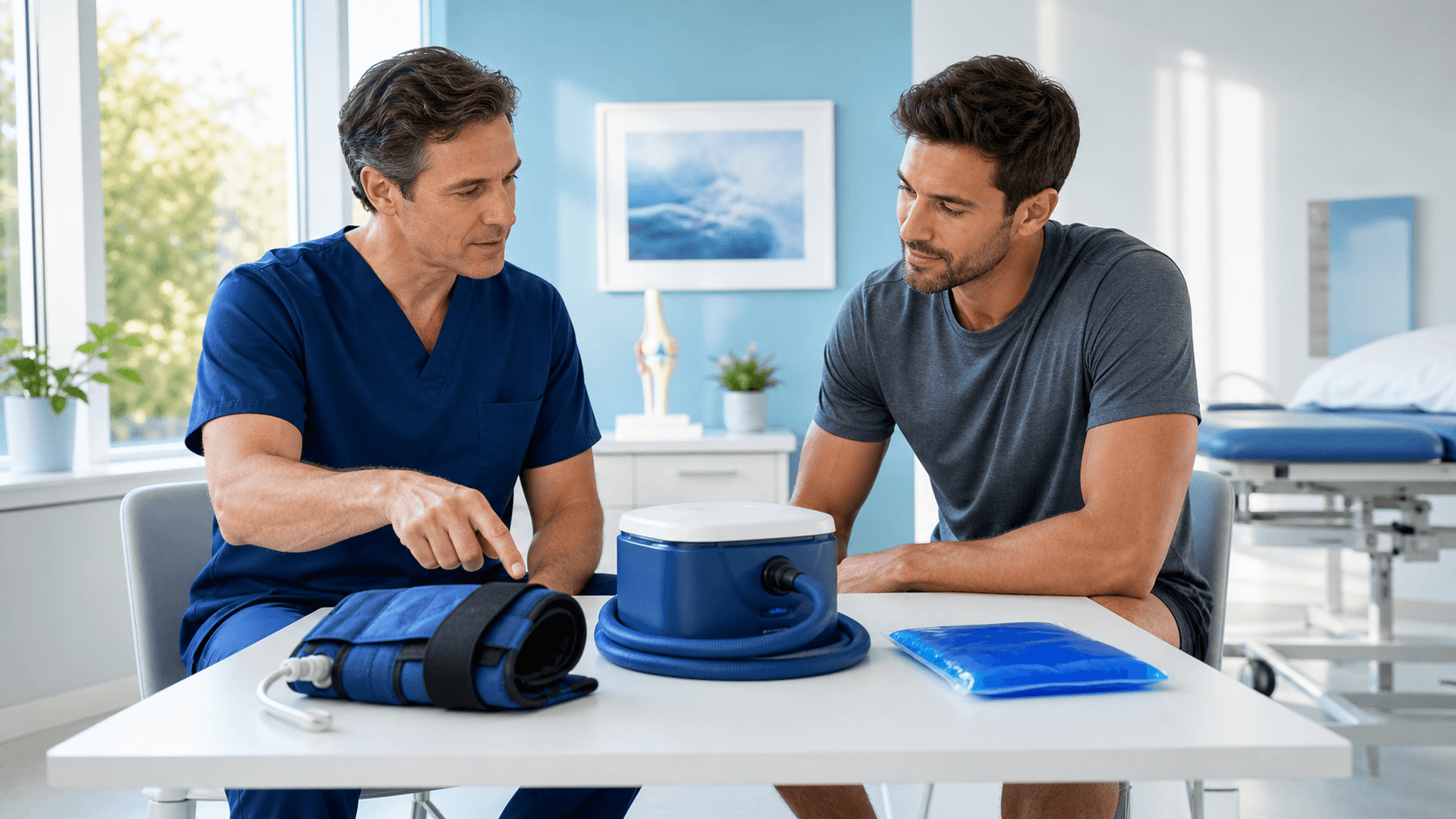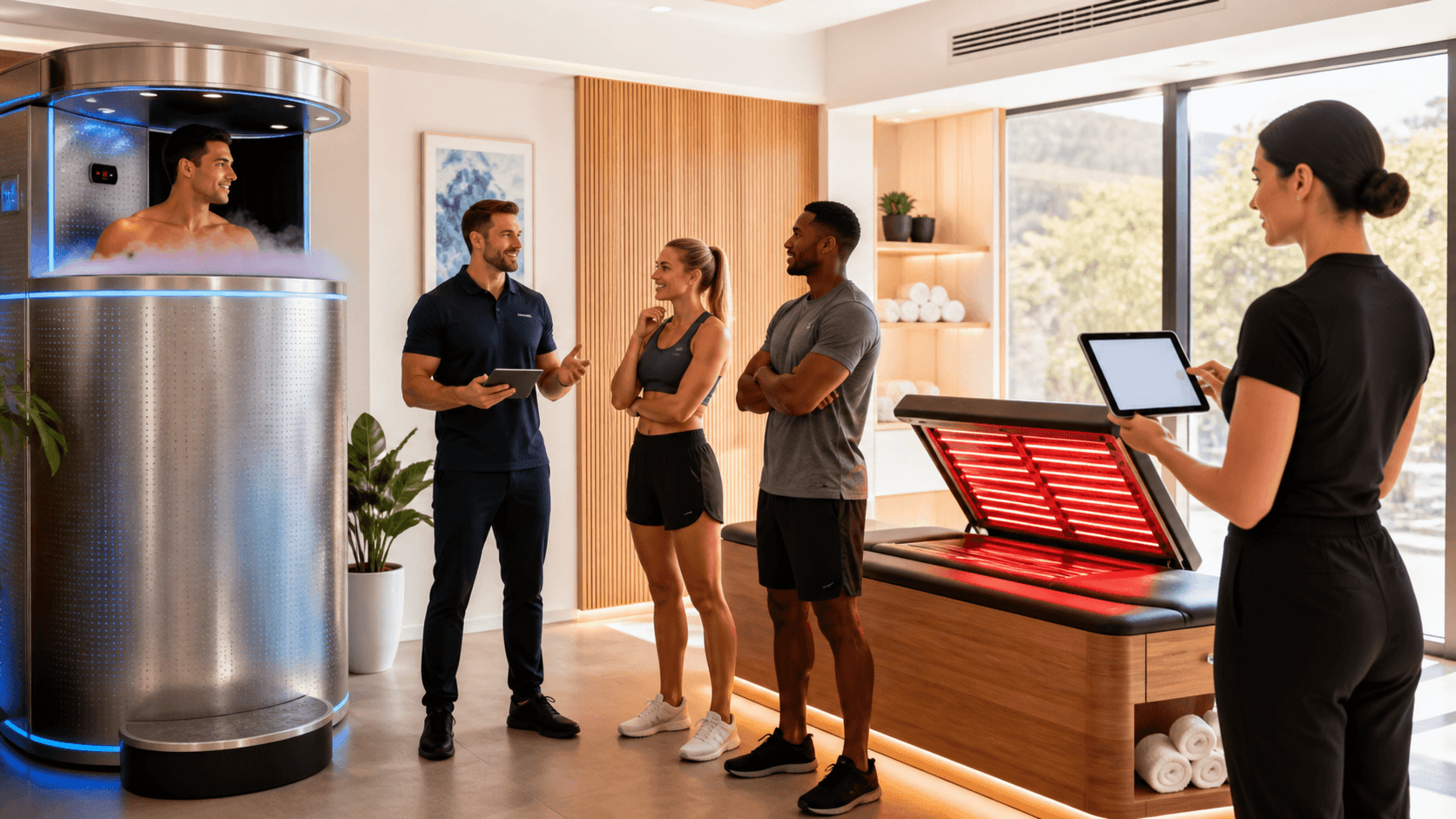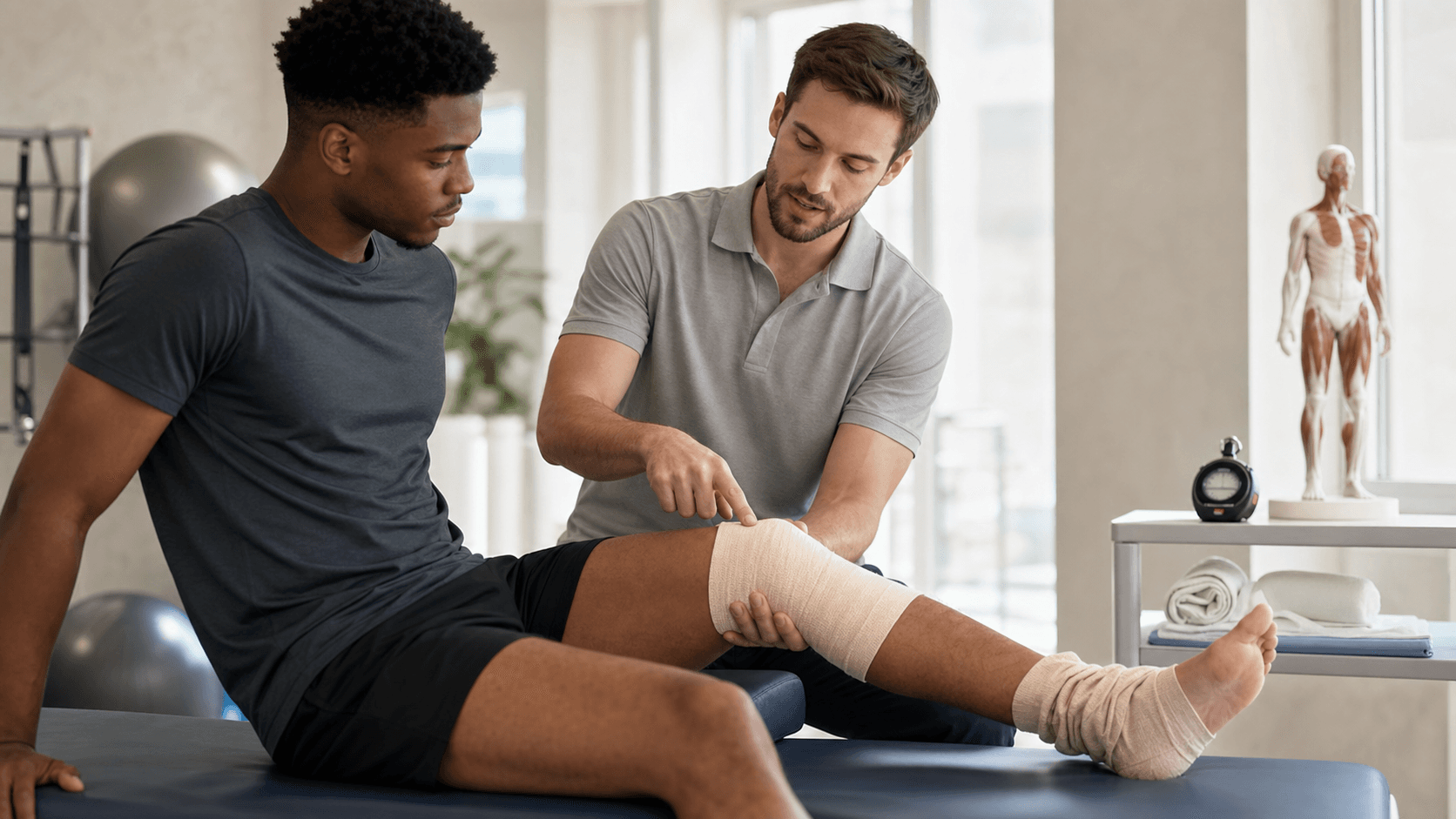
Strong clinics do not buy therapeutic cooling systems just because they look impressive in the recovery room. They invest because these systems can support faster recovery, smoother workflows, and happier patients when used with a clear plan. The real question is not "should we buy cooling technology," but "how do we prove it pays off."
In this article, we will walk through how high-performing sports medicine and orthopedic clinics think about return on investment, or ROI. We will look at cost, daily use, outcomes, and patient satisfaction, and how all four pieces work together to support a smart business case for therapeutic cooling systems.
Why Elite Clinics Bet Big on Cooling Technology
Sports medicine and orthopedic care are under pressure from every angle. Patients want to get back to sport and work faster, teams expect safe but aggressive timelines, and payers are watching readmissions and bundled payments. Time on the sideline is money, and wasted days in recovery are hard to explain.
In this setting, therapeutic cooling systems become a strategic resource. They are not just an extra comfort item. When used well, they can touch:
- Length of stay for common orthopedic procedures
- Pain control in the first days after surgery or injury
- Swelling and function in the early rehab window
- Patient loyalty to the clinic or training center
Top clinics study these levers. They track how cooling fits into their bigger care pathways, from pre-op teaching to home use after discharge, then connect that to revenue protection and growth.
Breaking Down the True Cost of Therapeutic Cooling Systems
When leaders talk about cost, they look beyond the price tag. The real picture covers ownership, daily operations, and how the systems line up with the clinic's clinical mix.
Key parts of ownership cost include:
- Capital outlay for each device or platform
- Expected lifespan and reliability over that span
- Warranty terms and service support
- Lease, purchase, and rental options and what fits cash flow
On the operations side, the finance and clinical teams usually review:
- Consumables like pads, wraps, and any single-use items
- Staff training time and refreshers when protocols change
- Cleaning, storage, and any needed adapters for beds and chairs
- Seasonal shifts, like higher volume of knee and shoulder surgery when school sports and club tournaments peak
The cost story does not stop there. Clinics in high-volume orthopedic and sports medicine service lines study where cooling fits best. They pay special attention to:
- Common procedures such as ligament repairs, joint replacements, and labrum work
- Injury types that bring in repeat athletes, such as ankle sprains and shoulder strains
- Where cooling can be built into pre-op classes and standard post-op bundles
When cooling is part of a clear care package, leadership can see cost offsets more clearly, not just costs.
Utilization Strategies That Maximize System ROI
Even the best system cannot pay off if it sits in a closet. Elite clinics plan for high, steady use across their whole operation. That starts with simple, repeatable protocols.
High-yield protocols often include cooling and compression at:
- The PACU, right after surgery
- Early post-op recovery rooms or short-stay units
- Outpatient physical therapy sessions
- Athletic training rooms for acute injuries and between-competition recovery
Scheduling also matters. When OR days, clinic visits, and training sessions are planned with cooling in mind, devices stay in motion. For example, some clinics:
- Block out devices per OR room and recovery bay
- Reserve units ahead of busy summer sports camps
- Rotate systems between inpatient and outpatient settings based on time of day
Training is the third pillar. Teams in nursing, physical therapy, and athletic training need clear, easy rules for when to apply cold, when to bring in heat, and when to add compression. Competency checklists, short refreshers, and visible quick guides help keep everyone aligned so that systems are used correctly and often, without slowing staff down.
Outcomes Data That CFOs and Medical Directors Want to See
To defend an investment, leaders need more than stories; they need patterns in the data. For cooling, many clinics start with basic clinical metrics, then layer on operational and financial ones.
Common clinical metrics include:
- Pain scores in the early post-op window
- Use of opioid and non-opioid pain medicines
- Change in swelling from day to day
- Early range-of-motion goals and time to safe weight-bearing
- Complications tied to poor swelling control or delayed healing
On the operational and financial side, leadership may watch:
- Length of stay for key procedures
- Unplanned ER or urgent visits for pain or swelling
- Readmissions related to wound or inflammation problems
- Staff time spent on ice pack trips and manual compression work
Strong outcomes can also support the clinic's brand. When a program can honestly say it focuses on structured recovery with advanced cooling, it can:
- Market "return to play" and "return to function" pathways
- Attract self-pay athletes and active adults
- Strengthen its position when speaking with payers and teams about value-based care
Patient Satisfaction and Experience Benchmarks That Matter
Patients may not ask for therapeutic cooling systems by name, but they feel the difference when recovery is easier. The first 72 hours after surgery or a big injury often shape how they see the whole process.
Clinics that track patient-reported measures often look at:
- Perceived pain relief while using cooling
- Comfort scores for the first nights at home
- How in control patients feel about their recovery plan
- Confidence about return to sport or daily tasks like walking and driving
Experience details matter here. People remember if a device was loud, awkward, or hard to manage at home. They also remember if it was:
- Quiet enough to sleep with it running
- Easy to adjust to a comfortable temperature
- Simple to set up on a couch, recliner, or bed
- Light enough to move between rooms
Happy patients talk. Strong experience around recovery technology can shape online reviews, word-of-mouth, and loyalty, especially among competitive athletes and active families. When an orthopedic clinic or training center becomes known as "the place that takes recovery seriously," it often sees those patients come back for future needs.
Building a Data-Driven Business Case for Cooling Investment
The strongest ROI stories start before the first device is installed. Elite clinics define their baseline, then build a simple model and check on it regularly. A clear framework usually includes:
- Current benchmarks for pain scores, length of stay, readmissions, and satisfaction
- Target goals for each metric after adding cooling
- A realistic plan for how often each device will be used each day
- A three- to five-year view of revenue protection and cost savings
From there, many centers roll out cooling in phases. For example, they might start with a core sports medicine group, expand to total joints once protocols are proven, then extend to outpatient PT and athletic training programs. Regular meetings between clinical leaders and financial leaders help keep everyone on track.
At ORX Healthcare, we focus on performance-centered temperature therapy and compression, so this data mindset is built into how we design systems and support teams. When clinics partner closely with their technology providers, they can choose the right devices, train staff with confidence, and keep tuning protocols as the numbers come in. That is how therapeutic cooling systems move from "nice idea" to a clear, defensible business asset.
Optimize Patient Care With Targeted Cooling Solutions
At ORX Healthcare, we design our therapeutic cooling systems to support consistent, controlled temperature management for demanding clinical environments. If you are ready to upgrade your cooling protocols, our team can help you evaluate needs, compare options, and plan implementation. Reach out today to discuss your goals or request product guidance through our contact us page.