Leveraging Temperature-Controlled Therapy in High-Performance Sports
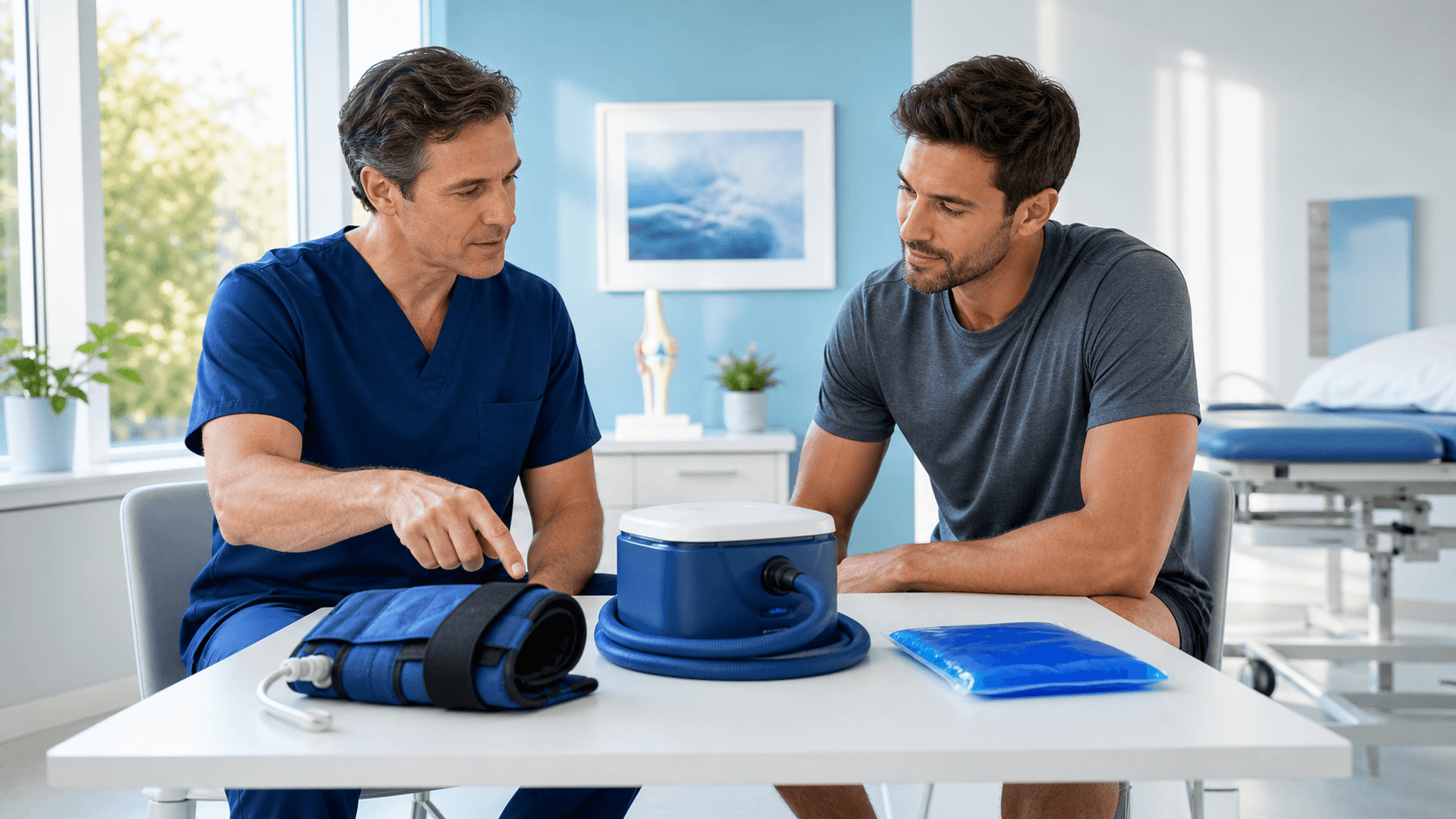
Recovery is no longer a "nice to have" for high-performance sports; it is part of the game plan. When training loads rise and schedules get tight, the teams that manage recovery well often keep more athletes ready to compete. Temperature-controlled therapy devices give staff a precise way to apply cold, heat, and compression so recovery is not just guessed at, it is guided.
In this article, we will talk through how these devices work, why they matter most in high-intensity parts of the season, and how staff can build smarter recovery plans around them. Whether you work with pros, college athletes, or elite youth, the goal is the same: more healthy athletes available when it counts.
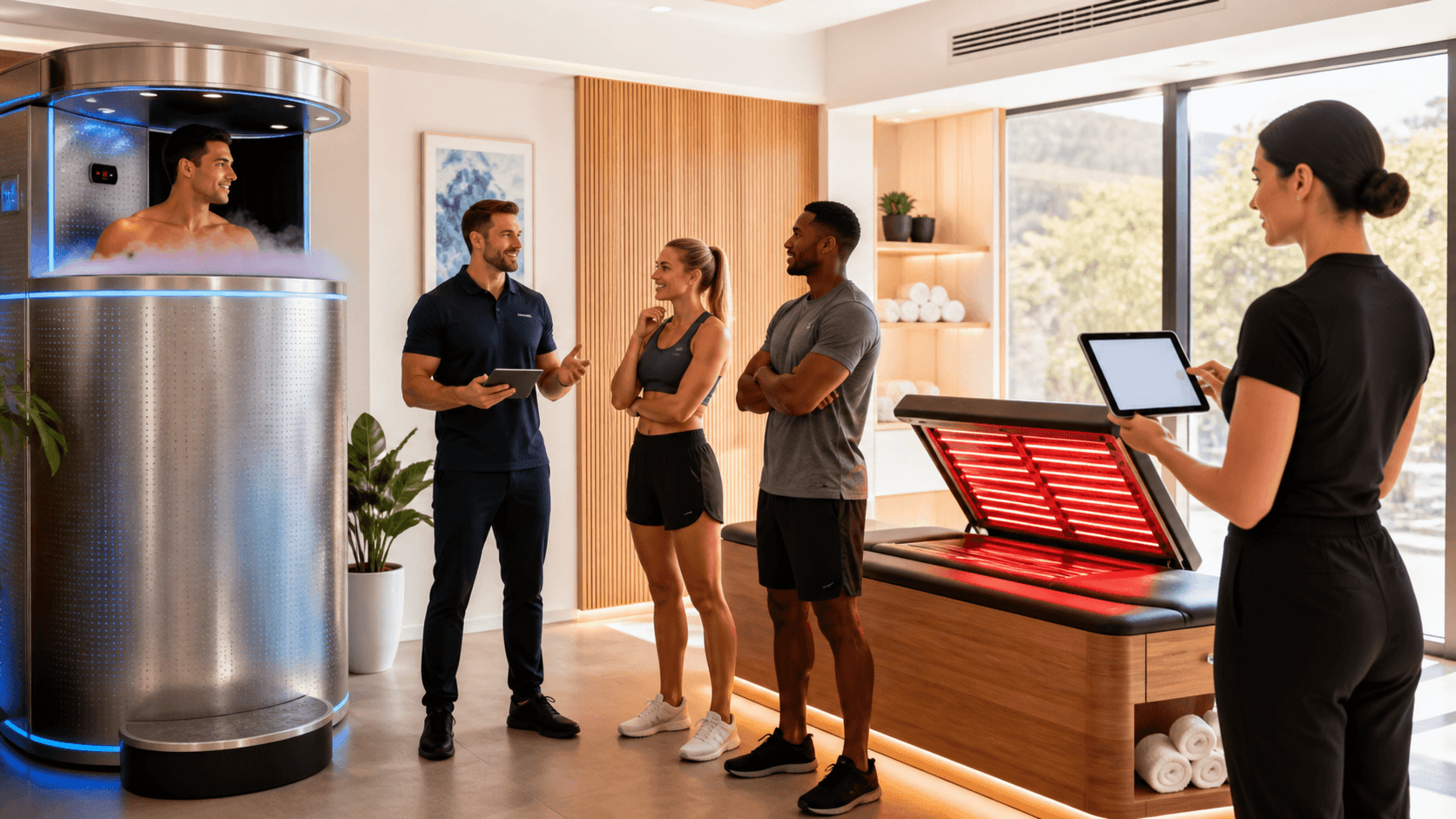
Unlocking Faster Recovery in High-Stakes Seasons
Late spring and summer can be brutal on athletes. You have:
- Summer training camps under the hot sun
- Back-to-back tournaments that leave little time to rest
- Playoff pushes where every game feels like a final
Training loads climb while the gap between sessions shrinks. Minor strains, sore joints, and tight muscles begin to stack up. In these stretches, faster recovery is not just about comfort, it can decide who is on the field and who is watching from the sideline.
That is where temperature-controlled therapy devices come in. Because they are portable, staff can use them:
- In the training room after practice
- At the facility between sessions
- On the road in hotels or at tournament sites
With precise cold, heat, and compression, trainers and clinicians can manage fatigue, calm down irritated soft tissue, and support more consistent availability on game day. At ORX Healthcare, we focus on performance-driven, professional-grade tools that fit the way high-performance environments already work, whether that is at home or traveling through hot, humid regions.
The Science Behind Temperature-Controlled Recovery
Cold therapy is more than just throwing ice on a sore area. When used with control, cold can:
- Narrow blood vessels, which helps limit fluid build-up
- Slow nerve signals, which can help manage pain
- Influence the body's inflammation process in a targeted way
Generic ice packs often swing too cold at first, then warm up too fast. Precise temperature control lets staff choose a range that is cold enough to do the job without risking skin damage or making the athlete tense up.
Heat therapy has a different role. With the right warmth, you can:
- Widen blood vessels and improve local blood flow
- Support tissue elasticity before movement
- Help muscles and connective tissue feel more ready for light loading
This makes heat a helpful tool before mobility work, rehab sessions, or return-to-play checks after small strains.
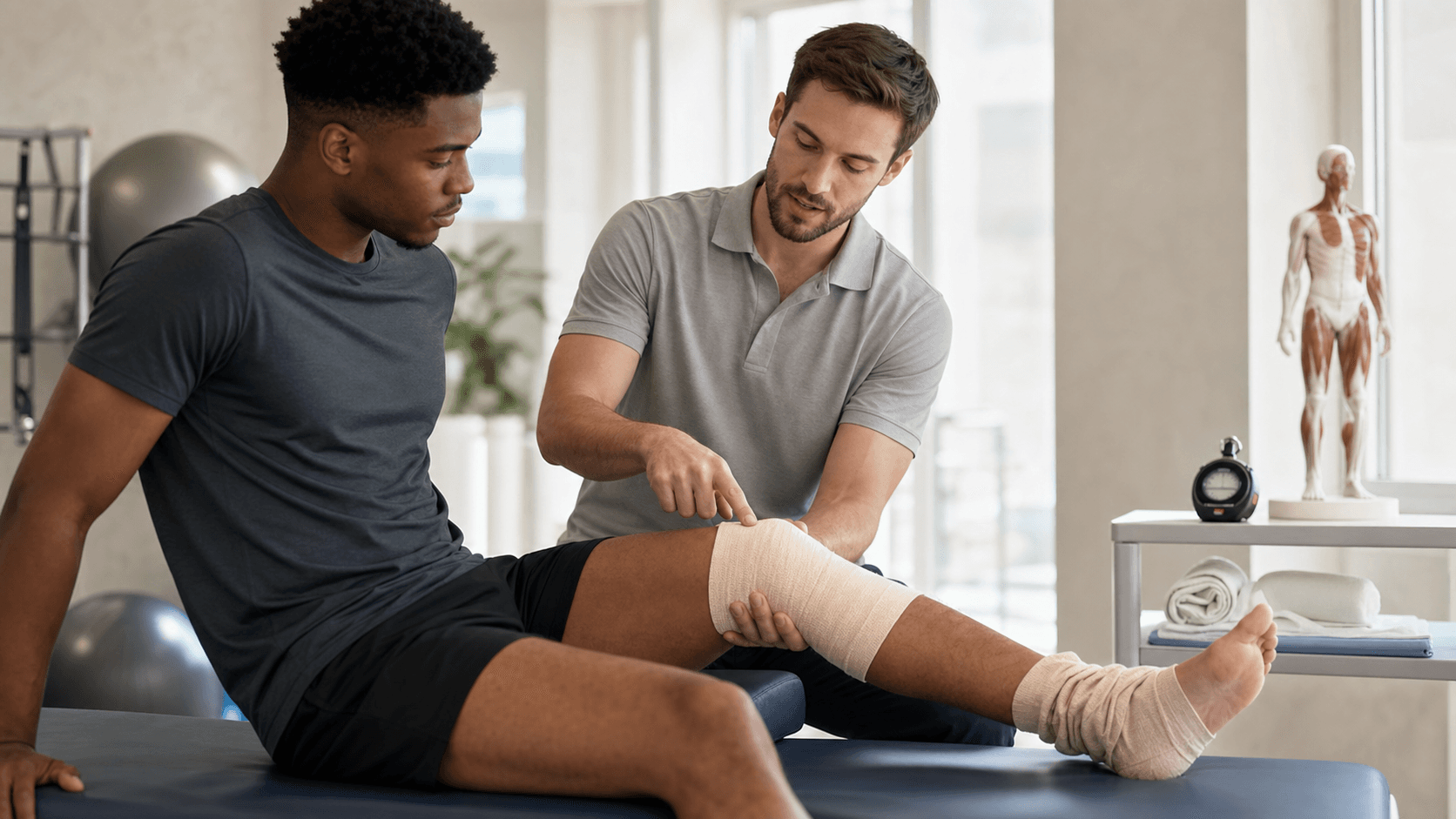
When we pair temperature with compression, we add another layer. Controlled compression can:
- Support fluid movement out of swollen areas
- Help reduce joint and soft-tissue swelling
- Give a sense of support and stability around an irritated region
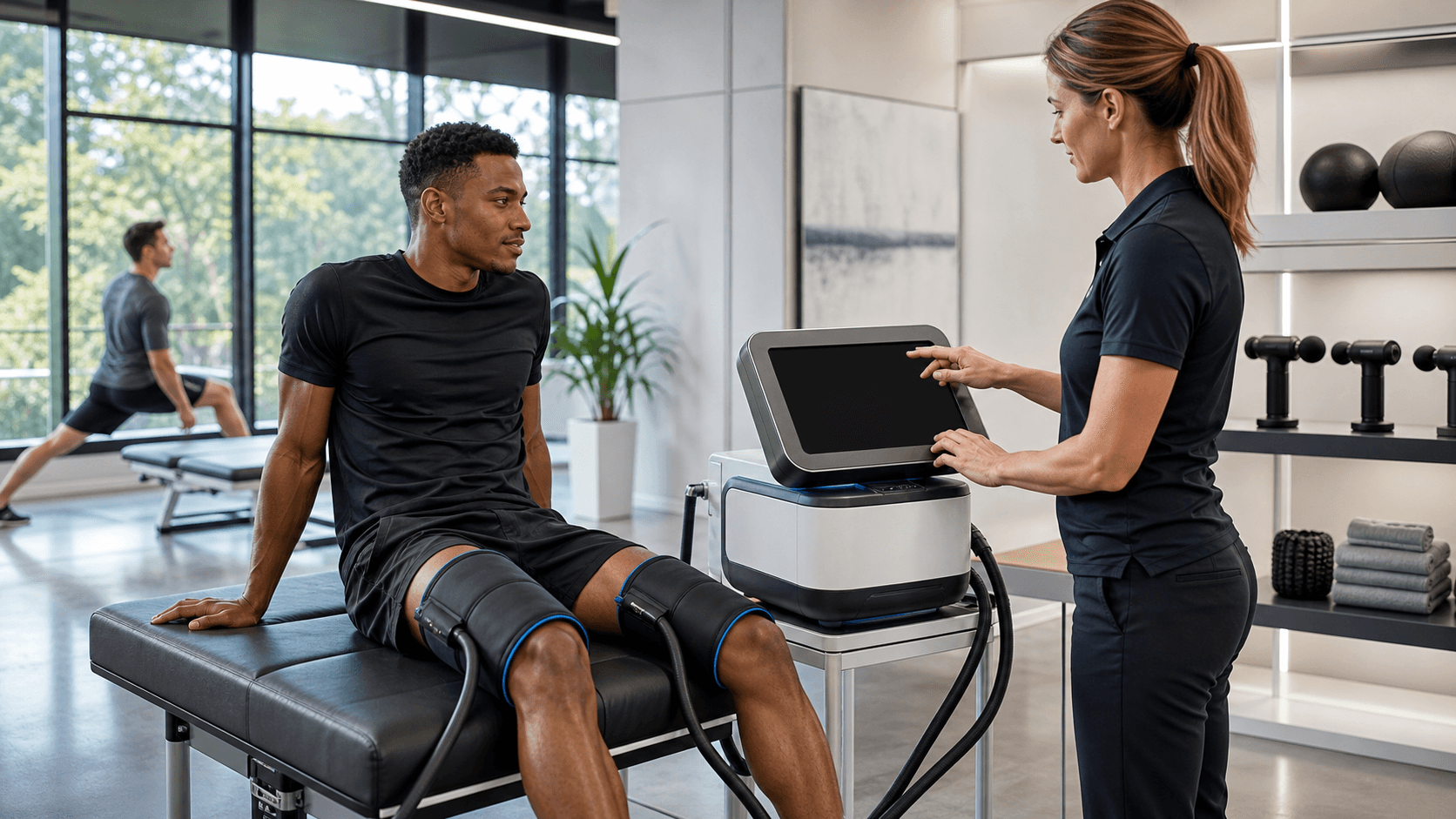
Temperature-controlled therapy devices let staff standardize these approaches. Instead of guessing, they can set:
- Exact temperatures
- Compression levels
- Treatment times and cycles
This supports more consistent protocols and makes it easier to track how each athlete responds over time.
Key Benefits for High-Performance Sports Programs
For high-performance programs, the goal is not just to treat pain, it is to protect performance. With reliable access to temperature-controlled therapy devices, staff can help athletes bounce back between dense training cycles and stacked competition days.
Some key benefits include:
- Performance consistency
When recovery is planned and repeatable, athletes are more likely to show up with stable energy and fewer nagging issues from one session to the next.
- Injury risk management
Targeted cold, heat, and compression can be used on overworked areas before they become time-loss problems, such as:
- Tendon irritation from repeated jumps or throws
- Muscle soreness from heavy changes in training load
- Joint swelling after long games on hard surfaces
- Roster availability and load management
Athletic trainers and clinicians can match recovery tools to each athlete's load plan. High-minute players or athletes returning from injury can receive more structured temperature and compression work to support their weekly volume.
- Travel and tournament demands
During summer road trips or multi-day events, teams may not have full access to a training room. Portable systems make it easier to bring professional-grade recovery straight to the bus, hotel, or venue.
Building Smarter Recovery Protocols with Tech
The real value of temperature-controlled therapy devices shows up when staff build smart, shared plans around them. Recovery works best when:
- Clinicians, athletic trainers, strength coaches, and sport coaches all talk
- Everyone agrees on how to use each tool for each type of athlete
- Protocols are built around position, injury history, and training phase
Timing matters too. A simple framework many groups follow:
- Cold plus compression right after games or heavy training to manage soreness and swelling
- Gentle heat before mobility, light lifting, or rehab to prepare tissue
- Blended approaches for specific return-to-play steps, guided by clinicians
Data can help shape daily choices. When staff combine:
- Temperature-therapy usage
- Athlete wellness check-ins
- On-field performance metrics
they can adjust training loads with more confidence, instead of guessing based on feel alone.
Recovery plans should also shift through the year. For example:
- Off-season: More focus on rebuilding and higher training loads, with regular temperature therapy to support adaptation
- Pre-season: Careful ramp-up, using cold and compression to handle new spikes in workload
- In-season: Short, frequent sessions that aim to keep athletes ready through tight late spring and summer schedules
Selecting the Right Temperature Therapy Technology
Not all gear is built for high-performance settings. When programs look at temperature-controlled therapy devices, it helps to think about:
- Precision and control
Elite environments need clear control over temperature ranges and treatment cycles. One-temperature-fits-all tools do not match the varied needs of different body areas, sports, or injury stages.
- Portability and durability
Compact, rugged systems are easier to move from training rooms to sidelines and hotel rooms. Long tournament weekends and hot weather can be tough on weaker equipment, so reliability matters.
- Clinical-grade performance for all levels
Even at the college, academy, or club level, athletes face heavy schedules. Professional-grade tools support consistent treatment quality across the entire roster, not just at the very top.
- Integration into workflows
Devices should be simple to set up, simple to clean, and comfortable for athletes. When treatments fit easily into existing blocks, staff can keep the flow going without slowing down practice or rehab plans.
At ORX Healthcare, we design our temperature-therapy and compression systems with these daily realities in mind, so teams can apply pro-level care whether they are in a main facility or moving through a hot, busy travel stretch.
Putting Advanced Recovery to Work This Season
A smart next step for many teams is to review how they currently handle recovery. Ask questions like:
- Where do athletes still feel worn down late in the week?
- Which overuse issues keep showing up each season?
- When are staff forced to improvise because tools are not portable or precise enough?
From there, programs can roll in temperature-controlled therapy devices in phases. Some groups start with return-to-play cases, then expand to high-minute players, then finally open protocols to the full roster as staff gain comfort and refine treatment plans.
When cold, heat, and compression are precise, portable, and easy to control, recovery stops being an afterthought and becomes a real part of performance planning. At ORX Healthcare, we are focused on helping clinicians, athletic trainers, and athletes bring that level of detail to every stage of the season, so more players can be ready when the stakes are highest.
Support Healing With Advanced Temperature-Controlled Therapy
If you are ready to improve comfort and outcomes for your patients, explore our specialized temperature-controlled therapy devices designed for clinical performance and ease of use. At ORX Healthcare, we work closely with providers to help integrate the right solutions into existing care protocols. If you have questions about options, compatibility, or ordering, contact us so we can help you choose the best fit for your practice.