Turn Cold Therapy Into a High-Volume Clinic Advantage
Cold therapy for inflammation is no longer just an ice bag at the end of a visit. In busy clinics, it can help protect tissue, calm pain, and support safe movement so people get back on their feet faster. It can also slow everything down if the workflow is messy, inconsistent, or too dependent on ice and staff time.
High patient volumes, short visit windows, and growing post-op and sports injury loads are putting pressure on traditional cold therapy setups. Staff are sprinting between rooms, hunting for ice, wiping up spills, and trying to keep treatment times on track. Modern ice-free systems that deliver precise cold, heat, and compression can flip that story. With faster setup, cleaner rooms, and repeatable outcomes, they help orthopedic, sports medicine, and postsurgical clinics run smoother, especially in late spring and early summer when injuries spike and elective cases stack up.
Why Cold Therapy for Inflammation Matters Clinically
When tissue is injured or stressed, inflammation kicks in. A certain amount is normal, but too much swelling and heat can increase pain and slow early movement. Well-controlled cold therapy for inflammation helps cool the tissue surface and shallow layers, which can:
- Slow local metabolic demand
- Limit extra fluid build-up
- Calm nerve signals that fire pain
- Support gentle, earlier motion within the plan of care
Precision is key. If treatment is too cold or too long, skin and soft tissue can be stressed in the wrong way. That can show up as skin injury, too much numbness, or slower healing if tissues are kept at low temperatures for extended periods. Consistent temperature control and clearly timed sessions are safer than guessing and checking.
High-volume clinics often see the same patterns over and over. Common use cases include:
- Post-op joint replacement and arthroscopy
- Acute sports injuries, like sprains and contusions
- Repetitive strain issues such as tendinopathy
- Flare-ups of chronic joint or soft tissue conditions
When cold therapy is standardized for these situations, it becomes easier to support clinical goals while staying aligned with each surgeon or provider's preferences.
Common Bottlenecks in Traditional Cold Therapy Workflows
Traditional ice-based options may look simple, but they can cause hidden slowdowns all day long. Common pain points show up fast in a packed schedule:
- Time spent refilling coolers and making ice runs
- Empty freezers or ice machines when volume spikes
- Shared water systems that raise cleaning and infection-control questions
- Wide differences in how staff apply and secure packs or pads
All of this affects clinic flow. Room turnover can stall while the team waits for fresh ice. Discharges drag on because cold packs are not ready or lose their chill too quickly. Staff who should focus on assessments, education, or higher-skill treatments get pulled into chasing supplies and cleaning up wet floors.
Over time, those small delays add up. A few extra minutes per treatment can shave down the total number of patients you can safely see in a day or push staff into overtime. It also creates unpredictable patient experiences, which can clash with well-designed recovery pathways and frustrate everyone involved.
Designing Efficient Cold Therapy Protocols at Scale
To turn cold therapy for inflammation into a strength instead of a stress point, it helps to treat it like any other standardized clinical pathway. Start by sorting protocols by condition or procedure, such as:
- ACL reconstruction
- Rotator cuff repair
- Total knee replacement
- Acute ankle sprain or other common sports injuries
For each group, define clear starting points for temperature ranges, compression levels when used, and treatment windows across the day. These should follow each provider's guidance and respect any special precautions like nerve sensitivity or wound location.
Building these choices into your electronic health record or order sets can cut down on decision time. A provider can quickly select a protocol that includes:
- Target temperature band
- Compression pattern or level if compression is used
- Initial treatment frequency and duration
- When to adjust or stop based on clinical signs
Training and delegation matter just as much as the protocol itself. Many steps can be safely handled by athletic trainers, physical therapy assistants, or medical assistants when clear guidance is in place. Visual guides posted in treatment areas, simple checklists, and shared education scripts help reduce variation from one staff member to the next.
Leveraging Advanced Technology to Increase Throughput
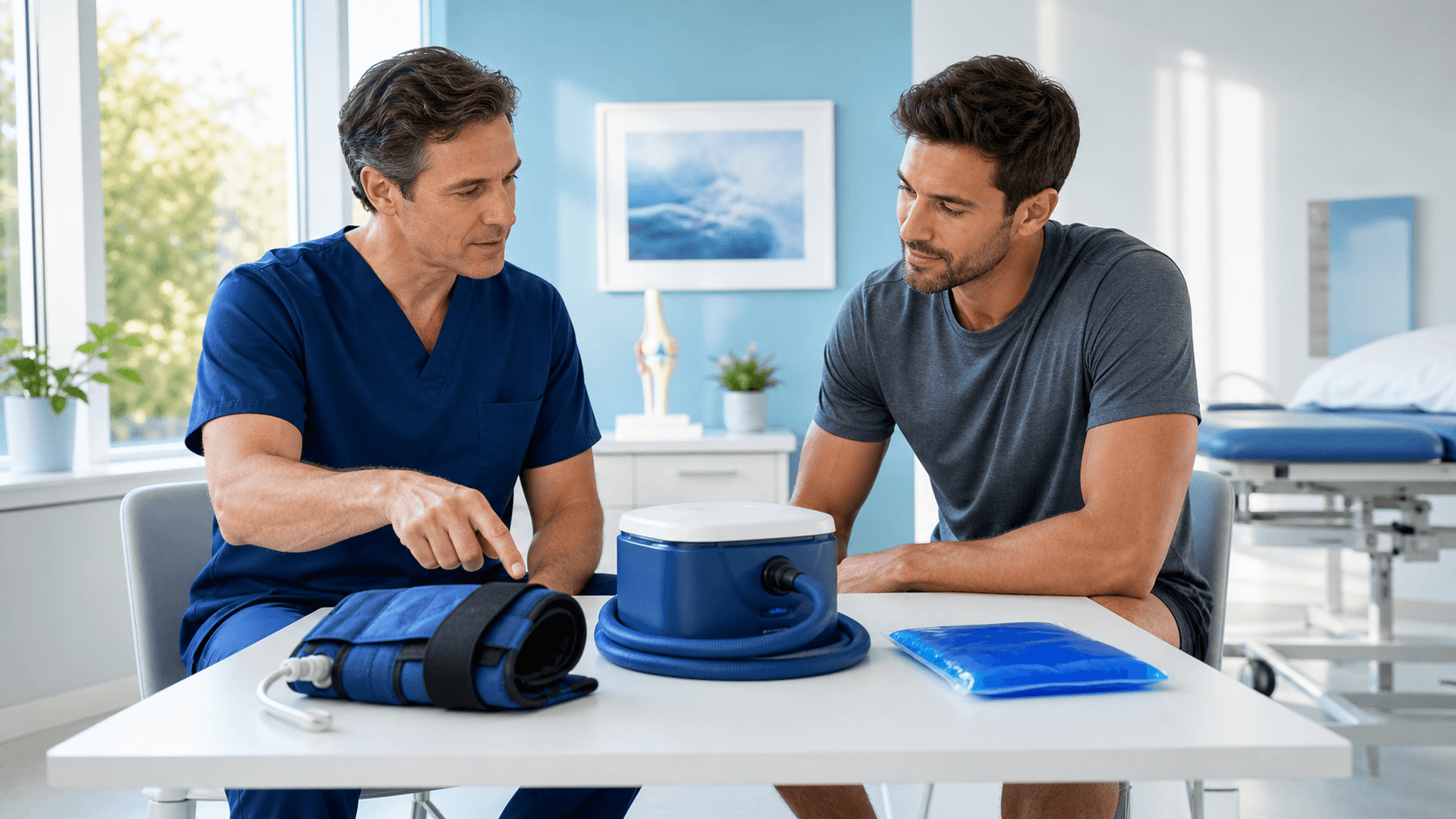
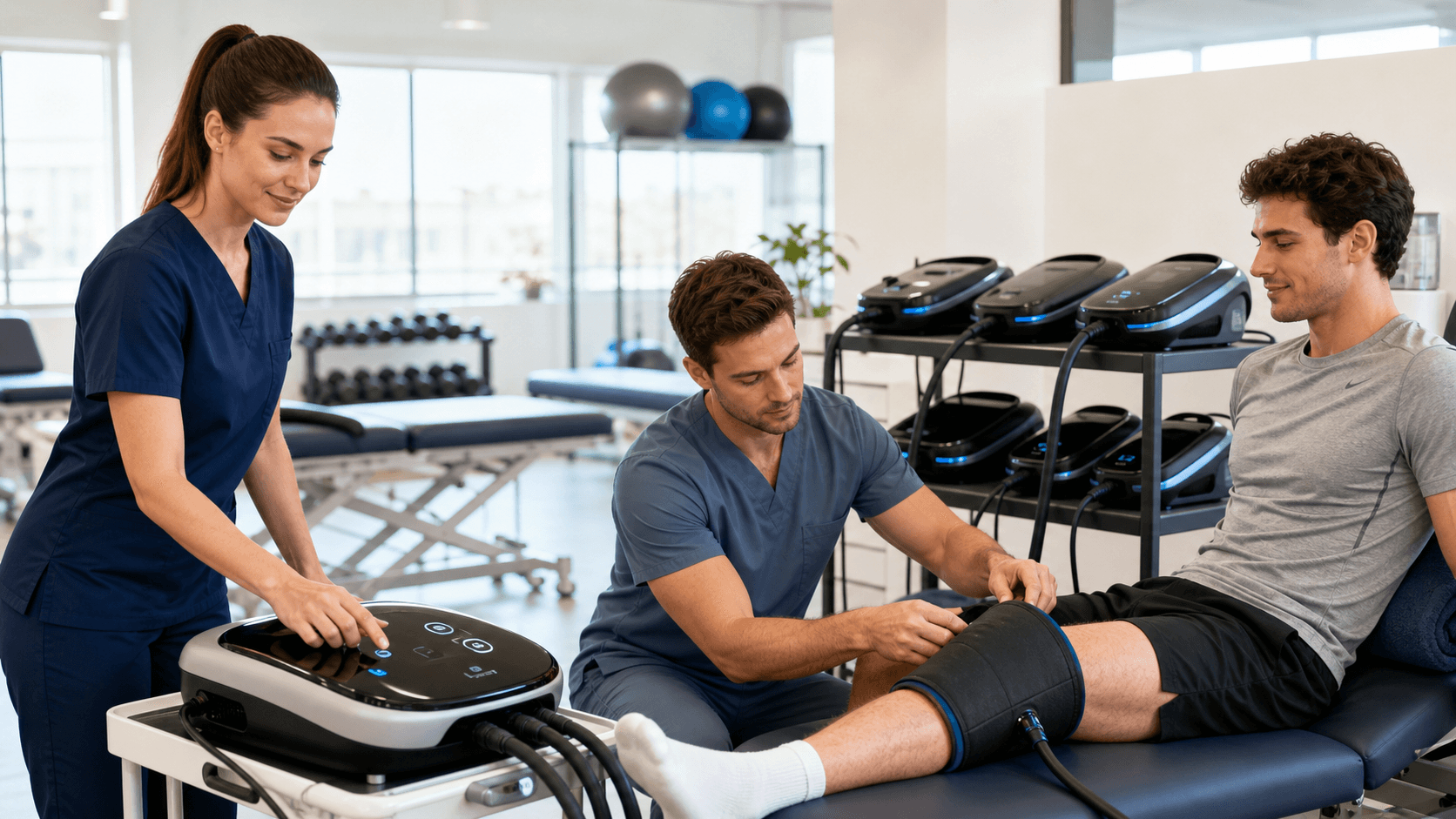
Ice-free temperature therapy and compression systems are designed to streamline many of the tasks that slow clinics down. By using portable devices that do not rely on ice, teams can skip the refill cycle and start treatments quickly, even when the schedule is tight.
These systems can support clinical care by offering:
- Consistent, controlled temperature over the full treatment time
- Adjustable compression to help manage edema where appropriate
- Comfortable pads and wraps that patients are more willing to keep in place
From an operations lens, the gains are just as important. Automated temperature and compression control means staff are not constantly checking and adjusting manual setups. Faster start and stop times help with room turnover. Simple controls and readable displays make it easier to document settings and treatment length in the chart.
When the same type of device can be used both in the clinic and at home, it also opens the door to more connected recovery plans. Some visits that once required in-person cold therapy can shift to supervised home use when appropriate, helping protect in-clinic capacity for more complex needs.
Seasonal Strategies for Sports and Summer Injury Surges
Late spring and summer bring unique pressure to high-volume clinics. School sports, weekend tournaments, pickup games at the park, and people ramping up outdoor activity all push injury numbers higher. On top of that, many elective orthopedic procedures are timed for warmer weather and school breaks, which increases the post-op load.
Planning ahead helps clinics keep pace. Helpful strategies include:
- Forecasting the expected jump in common injuries, like shoulder, knee, and ankle issues
- Pre-building cold therapy and compression protocols for these cases
- Coordinating with athletic trainers to keep sideline care aligned with in-clinic plans
Portable systems make seasonal surges easier to handle. The same devices can support same-day post-op discharges, off-site sports coverage, and in-clinic follow-up without adding more strain to ice machines or storage rooms. For clinics in warmer regions where heat and humidity are part of daily life, steady, reliable cold therapy can also feel more comfortable and reassuring to patients who arrive hot and swollen after activity.
Turning Optimized Cold Therapy Into Measurable Wins
When clinics stop thinking of cold therapy for inflammation as a simple comfort measure and start treating it as a standardized, technology-supported protocol, both clinical care and operations can benefit. Patients experience more consistent treatments and clearer instructions. Staff spend less time chasing supplies and more time on higher-value care.
A practical next step is for clinic leaders to walk through their current workflow from start to finish. Look closely at:
- Where ice and water are used
- How long setup and cleanup really take
- How often staff are pulled away from other tasks
- Where delays affect room turnover or discharge timing
From there, teams can test advanced temperature therapy and compression systems with their highest-volume procedures and adjust protocols based on real-world experience. When clinicians, athletic trainers, and administrators design the plan together and track key metrics like time savings, complications, and patient-reported recovery, cold therapy becomes a more predictable, powerful part of the care pathway.
At ORX Healthcare, our focus is on helping clinics, trainers, and recovery teams build that kind of high-performance system around cold, heat, and compression so they can support better outcomes without slowing down their day.
Take Control Of Inflammation Relief Today
If you are ready to actively manage pain and swelling, our team at ORX Healthcare is here to support your next step. Explore our targeted solutions for cold therapy for inflammation and find options that fit your recovery goals. Reach out to our specialists anytime through contact us so we can help you choose the right approach for your specific needs.