Faster, Safer Cooling Decisions for Every Setting
Cold therapy is simple in theory: cool the tissue to help with pain and swelling. The hard part is everything around it, like how to keep the temperature steady, protect the skin, avoid infection, and actually stick to the schedule. That is where the choice between basic ice and portable cold therapy units really starts to matter.
Late summer brings hot sidelines, packed clinics, and a lot of people training or rehabbing outdoors. At the same time, many patients are going through surgery and heading home with strict recovery plans. In each of these places, cold therapy needs to be reliable, repeatable, and realistic for the people using it. We are going to look at three settings, sidelines, the clinic or training room, and the post-op home setting, and break down when simple ice may be enough and when portable systems may offer clear benefits.
Sidelines and Tournaments Under Pressure
Game days in late summer and early fall can be brutal. High heat, multiple games, limited shade, and a steady stream of athletes needing care all put pressure on your cooling setup. Access to clean ice and power is not always guaranteed, especially at tournaments or away fields.
On the sidelines, the choice usually comes down to:
- Loose ice bags from coolers
- Portable cold therapy units with battery or plug options
With ice, logistics can get messy. You need:
- Large coolers filled before travel
- A clean way to scoop and bag ice
- Extra plastic bags and wrap
- Somewhere safe to dump melt water
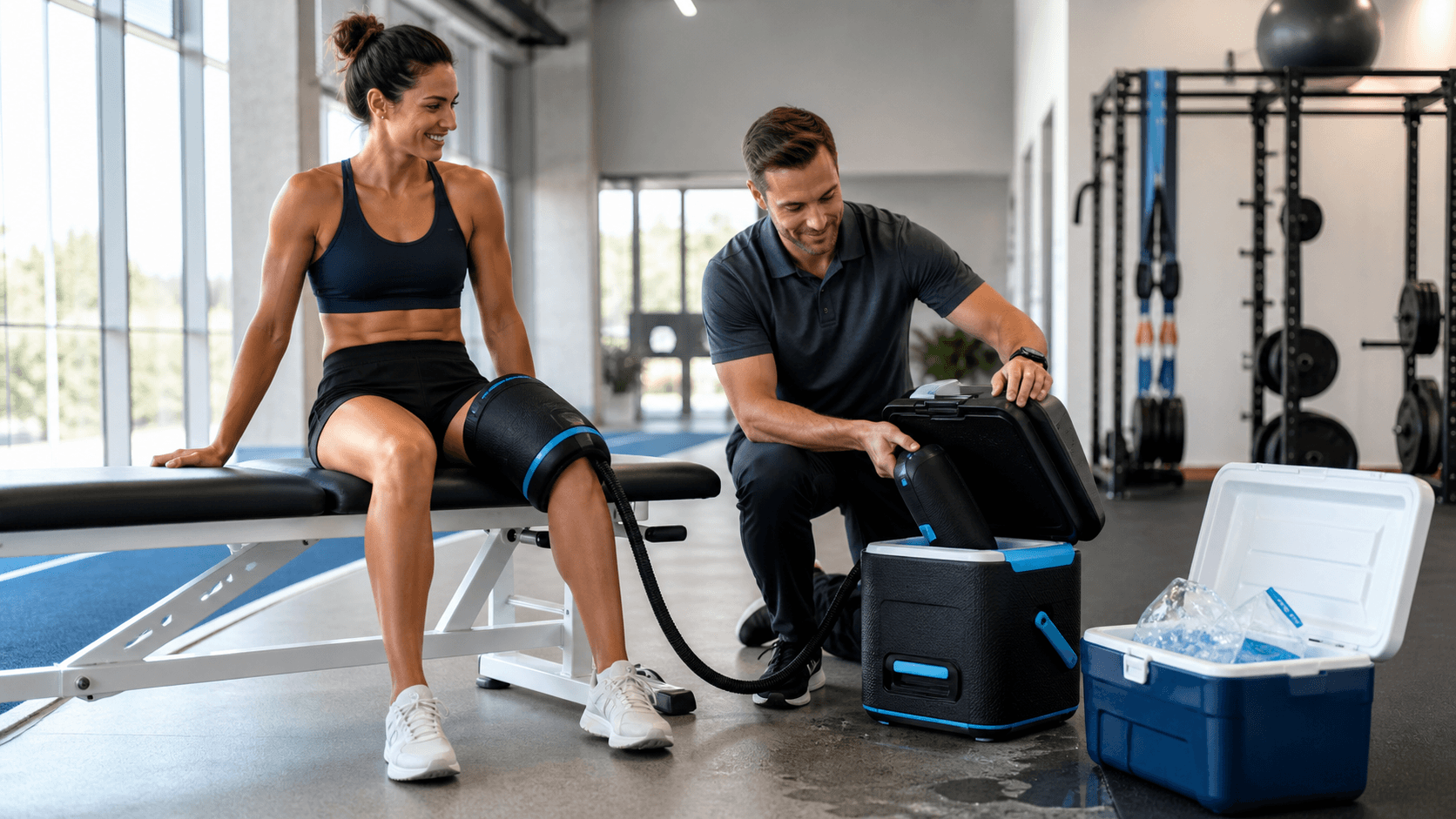
Portable cold therapy units change the equation. Many are designed to be:
- Easy to transport with handles or compact footprints
- Run by battery or standard outlets
- Refilled quickly with water and ice or with pre-cooled packs
Temperature stability is a big deal here. Ice bags can start too cold, then warm up fast, so athletes may complain at the start and lose benefit by the end. Portable units that regulate temperature may help reduce the chance of over-chilling while keeping a more even cold over time.
Infection control on a field is tough. Shared coolers, bare hands grabbing ice, wet towels on bare skin, and multi-use wraps all increase risk. Sealed circuits and pads that are either single patient or easy to wipe between uses may support safer care when hands are dirty, space is small, and time is short.
Adherence and workflow matter as well. Staff need to be able to set up an athlete in seconds, not minutes. Clear protocols such as how long to cool, how often to repeat, and who can adjust the unit help prevent misuse during high-pressure moments.
Inside the Clinic or Training Room
Clinics and training rooms are a different world. Here you see higher volume, more complex injuries, and higher expectations for infection control and professional standards. Cooling is part of a broader plan that may include manual therapy, exercise, and return-to-play testing.
In this setting, think about how each option fits into daily workflow:
Ice-based setups usually mean:
- Freezer space dedicated to packs or ice
- Staff time spent refilling machines or coolers
- Towels and wraps that must be laundered often
- Variable cold levels as ice melts at different rates
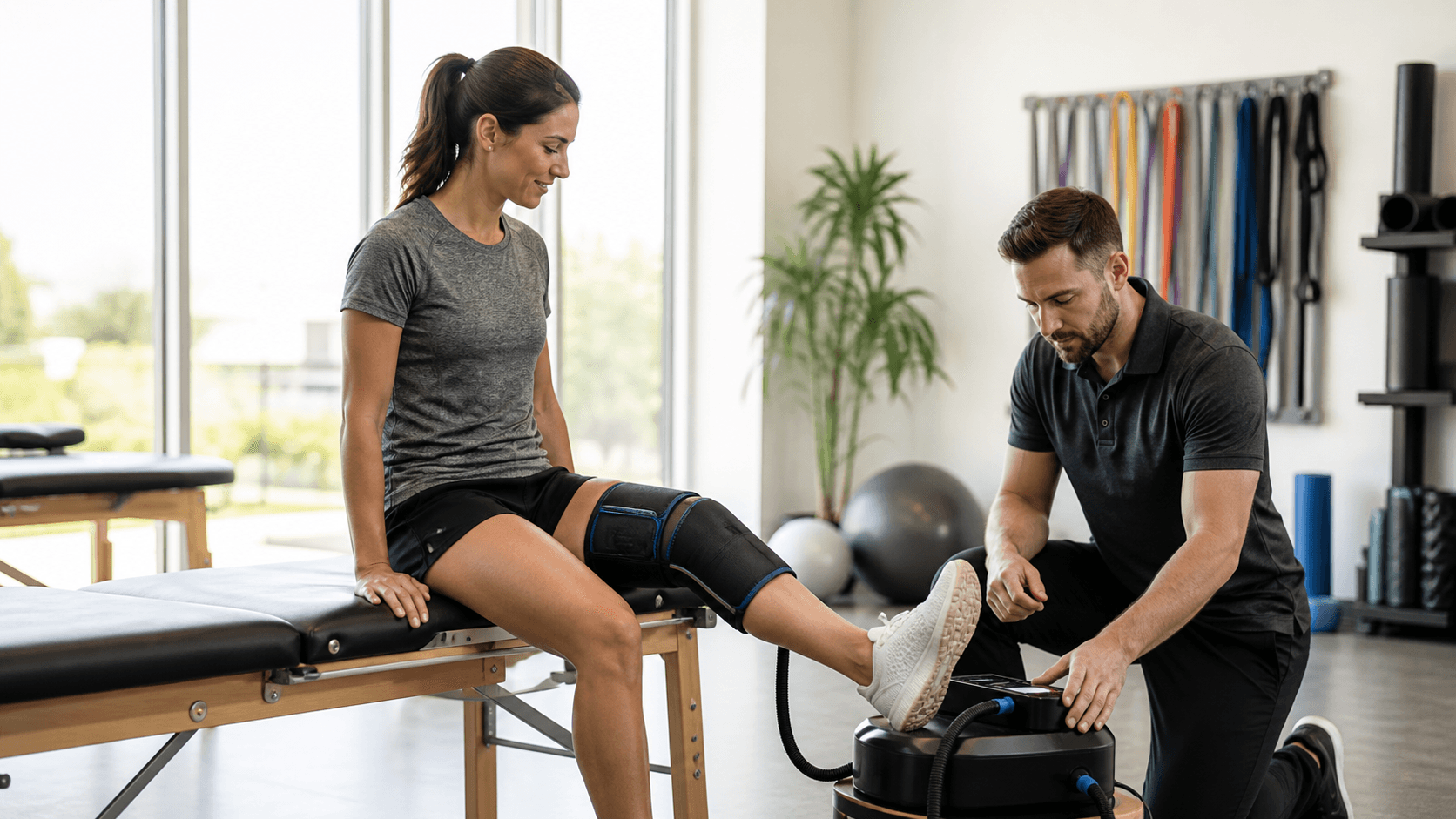
Portable cold therapy units can be organized like any other piece of equipment. You can:
- Assign specific units to specific rooms
- Store patient-specific pads in labeled bins
- Standardize how long and how cold each treatment runs
- Train new staff on one clear process
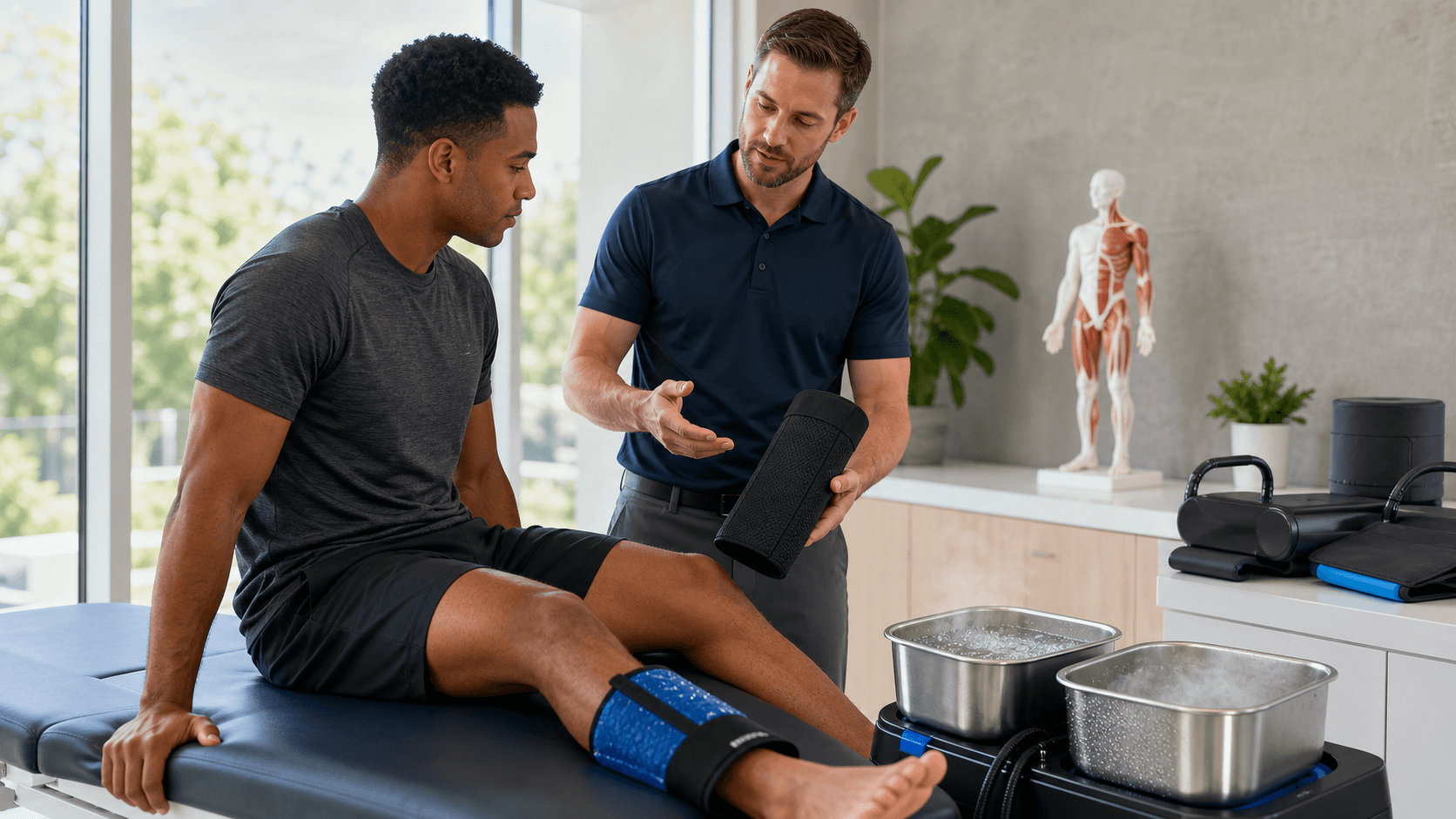
Temperature control and dosing are big advantages here. When you can set time, temperature range, and cycles, you get more consistent dosing from patient to patient and visit to visit. That may help support predictable recovery plans and clearer documentation.
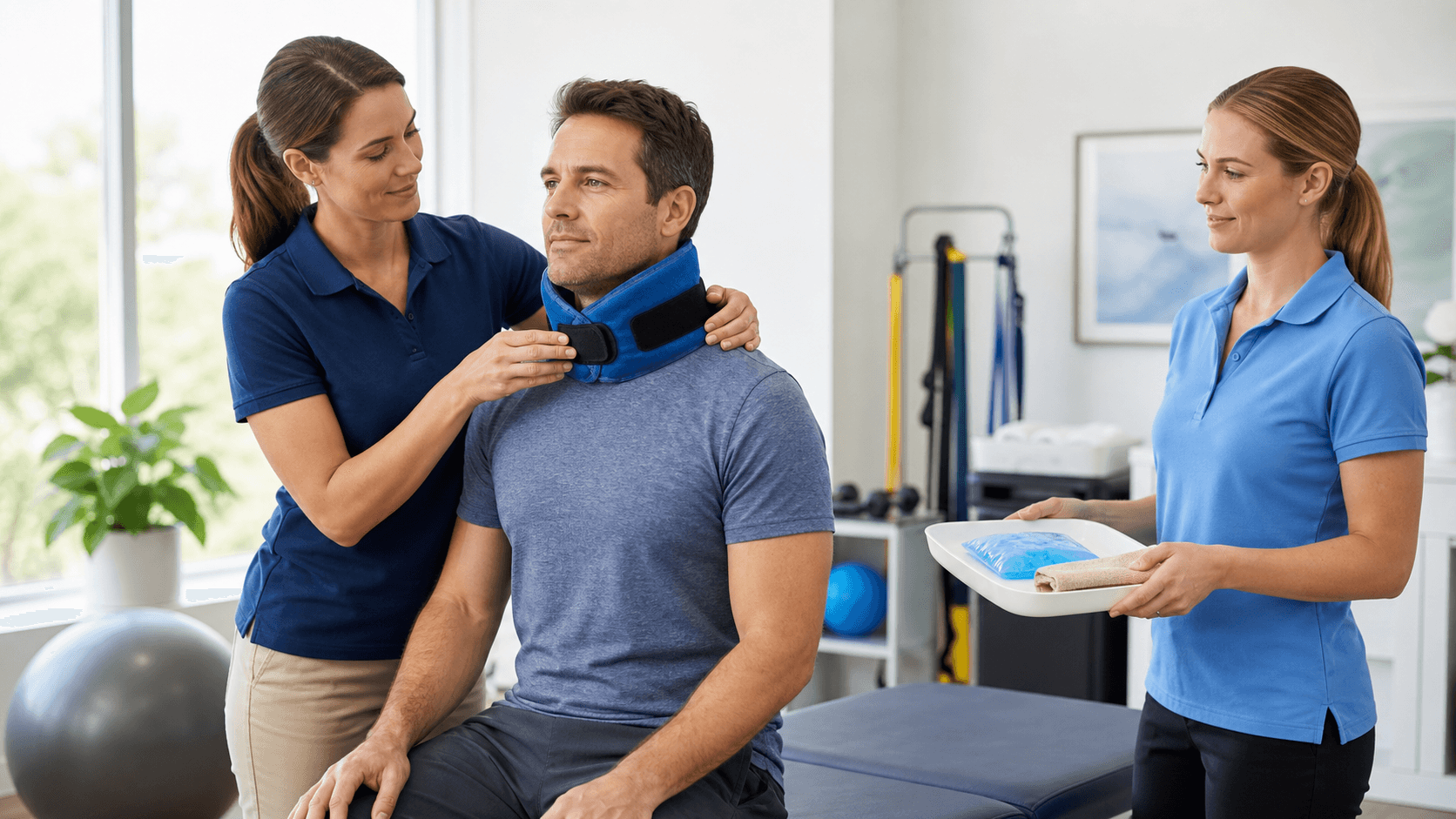
Infection control is also easier with closed systems. Instead of shared ice bins and multi-use towels, you can move toward sealed water paths and pads that are either single patient or carefully cleaned between uses. This fits better with many current regulatory and facility expectations.
From a staffing view, units that are quick to set, start, and check allow clinicians and athletic trainers to spend more time on assessment and movement work. Simple, easy-to-read screens and controls also help new team members get up to speed fast without guesswork.
Post-Op Home Recovery and Real-World Use
Post-op home recovery is where good plans often fall apart. Patients may be tired, on medication, and moving slowly. Family members may be juggling work, school schedules, and daily life while trying to help with ice, meals, and medications.
Traditional ice at home brings a few common problems:
- Constant trips to the freezer or store for ice
- Leaks from bags that do not seal well
- Packs that come out of the freezer too hard and too cold
- Difficulty keeping a steady cold routine overnight
Portable cold therapy units are designed to help with these real-world issues. Once set up, many can run at a controlled temperature for longer periods with only occasional refills. That can:
- Reduce nighttime trips to refill ice
- Lower the risk of extreme cold against numb or bandaged skin
- Make it easier to follow a set schedule from the surgeon or therapist
Temperature stability is especially important when people might fall asleep during treatment. Systems that are built to deliver controlled cold, not deep freeze, may help reduce the chance of skin damage or nerve irritation when timing is not perfect.
At home, infection control matters too. Fewer runs to get loose ice from public freezers or convenience stores, and less handling of wet bags and towels, can support cleaner routines. Clear instructions on how to keep pads clean and how to check the skin around dressings are key, especially when sensation is reduced.
Adherence often comes down to comfort and simplicity. Wraps that stay in place, controls that are simple to understand, and clear printed instructions may help patients stick closer to what their care team recommends, which can support control of swelling and pain.
Building a Practical Decision Framework
To make faster, safer choices, it helps to think in terms of a simple checklist for each setting.
For sidelines, rate ice vs portable cold therapy units on:
- Temperature stability in heat
- Infection control with shared gear
- Setup speed between plays or games
- Athlete independence and clarity of use
For clinics and training rooms, focus on:
- Consistency of dosing and timing
- Infection control and cleaning steps
- Storage and prep time
- Total staff time per treatment
For post-op home recovery, look at:
- Safety during sleep or distraction
- Ease of setup for family or caregivers
- How often ice or water must be changed
- Comfort and how well wraps stay in place
Portable cold therapy units tend to add the most value when volume is high, when protocols are strict, or when a program wants standardized, repeatable workflows that are less dependent on manual timing and constant ice runs. Simple ice may still make sense for low-risk, short-term use or as a backup if power is out. In those cases, it is important to protect the skin with a barrier, respect time limits, and perform regular skin checks.
No matter which method you choose, cold therapy should be safe and thoughtful. Avoid direct ice on bare skin, confirm that the person can feel normal touch before starting, follow the temperature and timing guidance from the care team, and stop if you see unusual redness, numbness, or pain.
At ORX Healthcare, we focus on performance-driven temperature therapy and compression systems that support clinicians, athletic programs, and serious at-home recovery users. As the weather stays warm and sports and surgeries both ramp up, it is a good time to review your protocols and decide where portable cold therapy units, simple ice, or a mix of both best fit your goals for safer, more consistent recovery.
Relieve Pain Faster With Targeted Cold Therapy Solutions
Discover how our expertly designed portable cold therapy units can help you recover more comfortably at home or on the go. At ORX Healthcare, we focus on reliable, easy-to-use options that fit seamlessly into your daily routine. If you have questions or need guidance choosing the right device, simply contact us and we will walk you through your next steps.