Calf Strain Season: Why Cold Therapy Strategy Matters
Cold therapy for a calf strain may be one factor that helps decide whether you finish your season or end up watching from the sideline. When training ramps up for playoffs, marathons, and late-season tournaments, the calves take a serious hit from extra sprints, hills, and tight turnarounds between sessions.
Calf strains range from mild tugs to more serious tears.
- Mild: tightness, soreness, and a small pull, but you can usually still walk.
- Moderate: sharper pain, swelling, trouble pushing off.
- Severe: sudden sharp pain, possible bruise, and difficulty putting weight on the leg.
How you manage those first warning signs matters. The right cold therapy plan can support pain and swelling management so athletes can move better, think clearly, and follow medical advice instead of guessing. Timing, temperature, and compression all play a part. Advanced, ice-free systems are designed to make it easier to keep cooling consistent compared with a bag of ice that melts and swings from too cold to not cold enough.
What Really Happens in a Calf Strain
The calf is mostly two muscles working as a team. The gastrocnemius is the big muscle you see on the back of the lower leg. The soleus sits underneath. Together they help you:
- Sprint and accelerate
- Jump and land
- Change direction and cut
- Climb hills and stairs
During heavy competition periods, these muscles are under constant load. When the force is more than the tissue can handle, fibers can overstretch or tear. That leads to:
- Micro-tears in the muscle
- Small blood vessel damage and local bleeding
- An inflammatory response with swelling, heat, and pain
The body is trying to protect the area, but that protection can create problems. Swelling and pain trigger muscle guarding, so the calf tightens to avoid more damage. If an athlete keeps pushing through back-to-back games, cold-weather races, or poor warm-ups, that tight, injured muscle can strain further and keep them out longer.
Early recovery is about controlling the early tissue response. By helping manage swelling, pain, and guarding in the first days, there may be a better chance to:
- Walk with a more natural pattern
- Start gentle motion sooner, as cleared by a medical professional
- Load the tissue step by step instead of rushing
Cold therapy fits into that plan as one tool among several, not a magic fix.
Cold Therapy for a Calf Strain: What the Science Supports
Cold therapy for a calf strain is mainly about comfort and control. Current evidence suggests that cooling the area may:
- Reduce pain by slowing nerve signaling
- Help limit excessive blood flow in the very early phase
- Help moderate swelling so that the calf does not balloon
Cold does not instantly repair torn muscle fibers. Healing is a longer process that depends on rest, progressive loading, good sleep, and medical guidance. What cold can do is support that process by helping limit extra fluid buildup and potential secondary tissue irritation in the early window.
Key timing points often include:
- First 24 to 72 hours after the strain, as part of a broader care plan
- After practice or games, when the calf feels hot, tight, or sore
- After rehab sessions that stress the calf, such as strength work or field drills
Short, repeated sessions generally work better than one long, intense chill that leaves the skin numb and stiff. Pairing cold with compression can also help. Compression may:
- Improve contact between the cooling surface and the skin
- Support more uniform temperature across the calf
- Provide light support that feels more secure while the athlete rests
The goal is targeted, predictable cooling, not seeing how frozen the leg can get.
Precision Cooling vs. Traditional Ice Packs
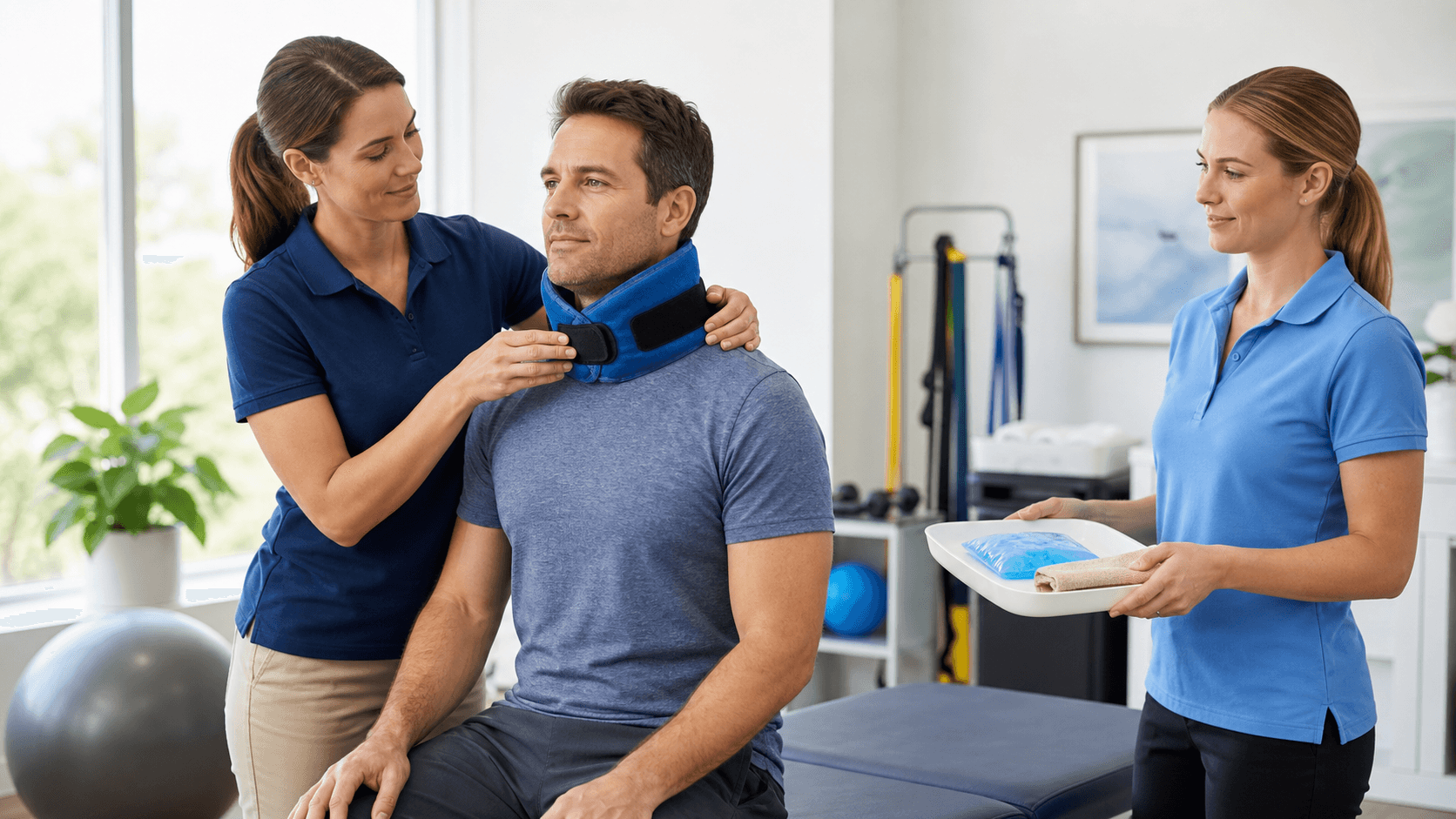
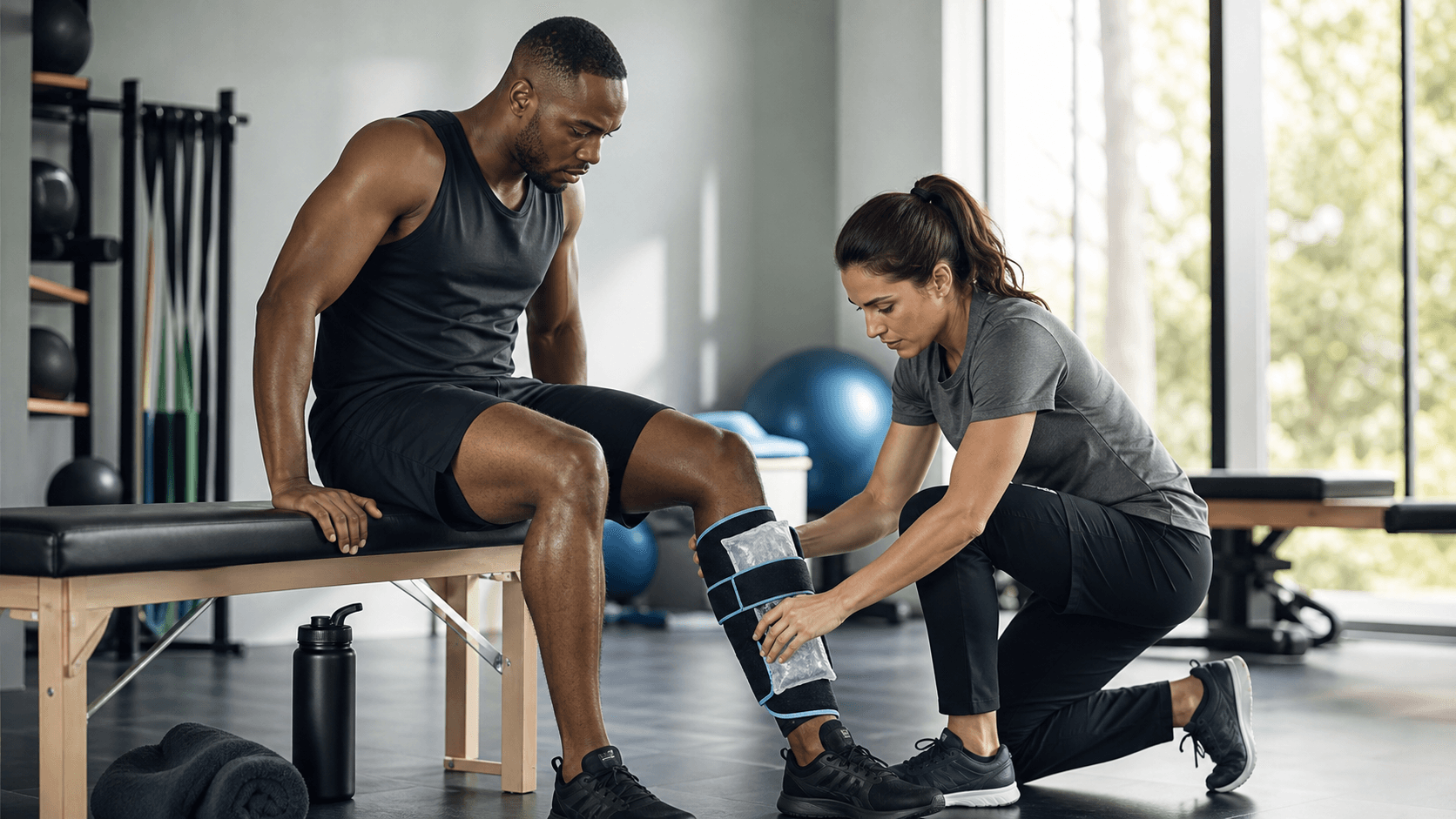
Many athletes still reach for whatever ice they can find. Towels wrapped around loose ice, plastic bags, or chemical cold packs are common. These options can work, but they also come with challenges:
- Temperature swings as ice melts
- Spots that are too warm next to spots that are painfully cold
- Packs that slide around and lose contact with the calf
Imprecise cooling brings risk. Over-chilling the skin can cause irritation or prolonged numbness. That can delay when an athlete feels ready to move and can mask symptoms that matter for return to play choices. Under-chilling does not provide much benefit at all, which makes it hard to know if the plan is working.
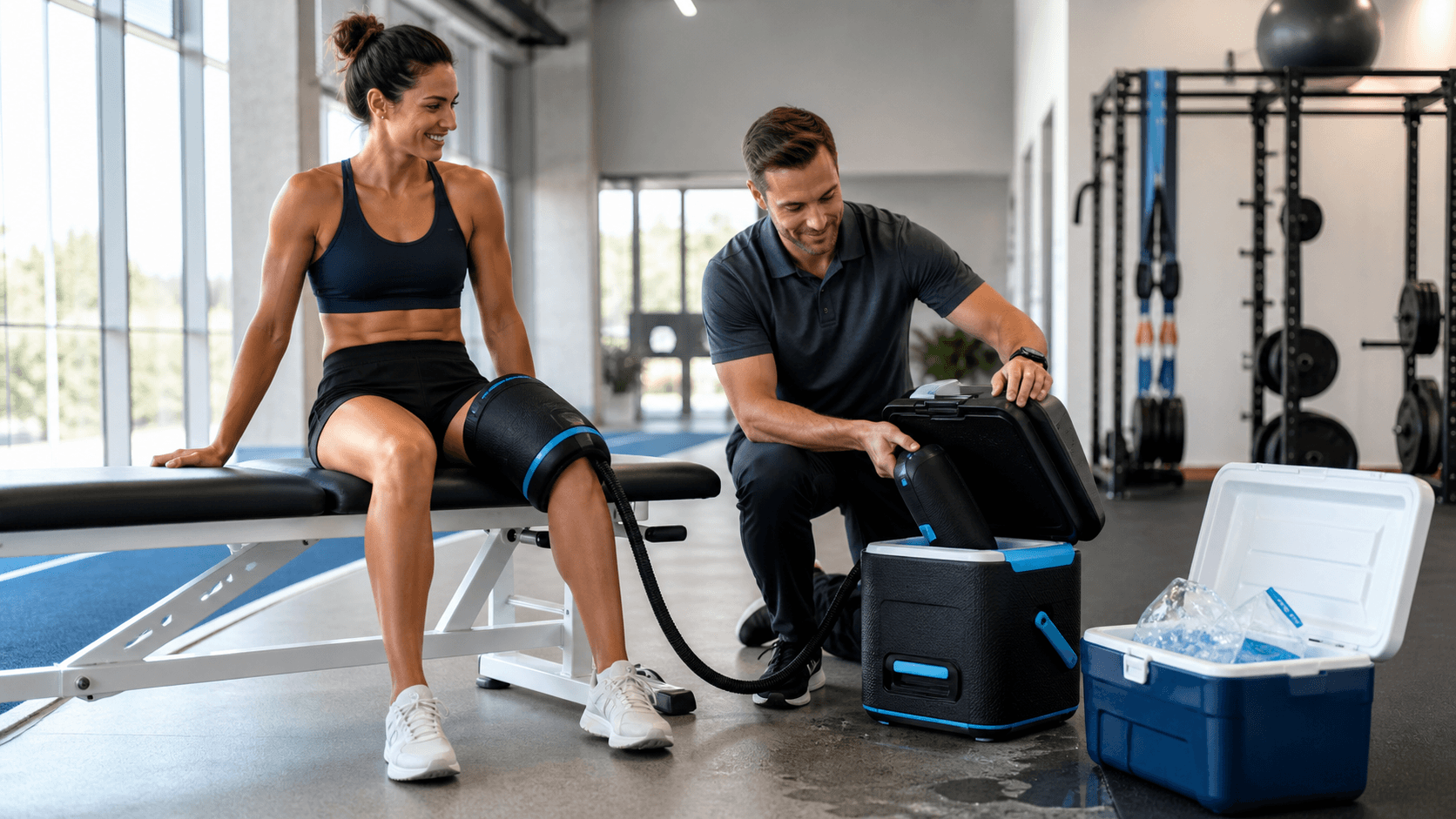
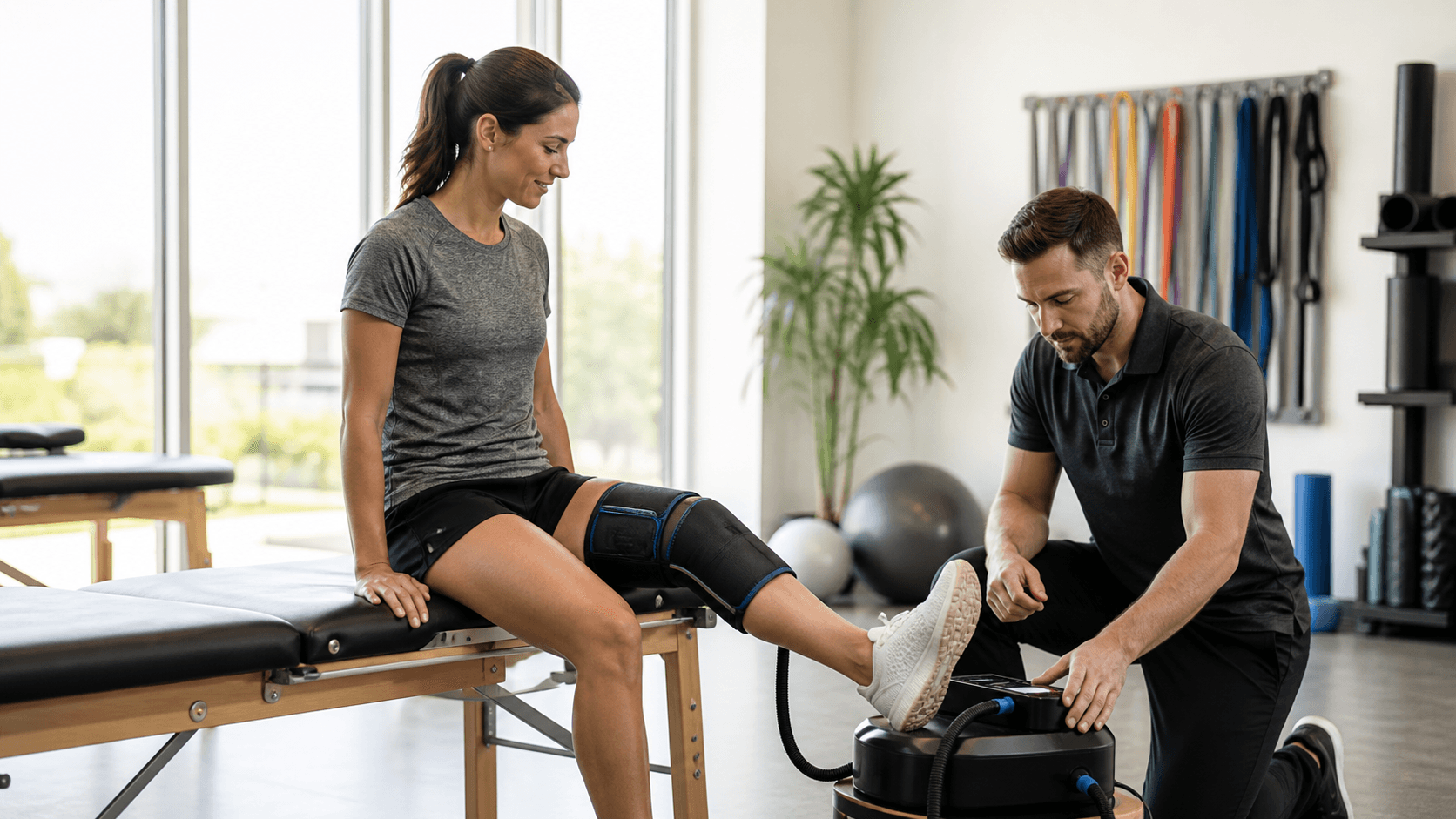
Portable, ice-free systems are built to stay within a set temperature range and keep that temperature steady. A well-fitted wrap around the calf, combined with controlled compression, can provide:
- Even contact from top to bottom of the muscle
- Repeatable settings from session to session
- Hands-free use while the athlete follows other recovery routines
For clinicians and performance staff, precision matters. When they can program cycles, track how long each athlete is on a setting, and use the system on the bus, in the hotel, or in the locker room, recovery can become part of the daily performance plan instead of an afterthought.
Building a Cold Therapy Plan Into Your Season
Cold therapy works best when it fits into a larger strategy instead of only showing up after something goes wrong. An early-phase plan for a calf strain might include, as directed by a medical professional:
- Several short cooling sessions per day
- Light compression around the calf
- Elevation to help with fluid movement
- Gentle ankle pumps or toe wiggles if cleared
As symptoms settle, the focus shifts. Cold and compression can move from calming an irritated calf to supporting the work done in rehab:
- After strength sessions for the calf and foot
- After field drills that include cutting, sprinting, and deceleration
- During travel days to help manage soreness from long sitting
Common questions often come up:
- When should we avoid cold therapy? Conditions like poor circulation, certain nerve issues, or specific medical diagnoses may make cold a bad idea.
- Can cold replace a medical exam? No. Any calf strain that changes how an athlete walks, runs, or pushes off should be checked.
- How do we match this with team rules? It helps when medical and performance staff agree on when and how cold is used so athletes are not guessing in the locker room.
Fall competition often means chilly weather, late-night games, and long rides or flights. Portable devices that fit easily into bags or team trunks can help keep cooling consistent in all of those settings, from the training facility to the away locker room.
Turn Calf Strain Recovery Into a Competitive Edge
Cold therapy for a calf strain is not just about getting through the next game; it is about planning the whole season. When athletes, coaches, and medical staff move from random ice use to a clear plan with defined timing, temperature, and compression, recovery becomes part of performance, not just injury care.
Working with sports medicine professionals to integrate controlled cold and compression, set up a written recovery protocol, and track calf symptoms over time can support better decisions. Evidence-informed temperature-therapy and compression systems are designed to support consistent recovery so competitive athletes can respect tissue healing timelines while protecting performance. Strategic decisions made during this season may help reduce setbacks, keep more athletes available for key events, and build smarter recovery habits that last all year.
Support Your Calf Recovery With Targeted Cold Therapy
If you are ready to take the next step in managing pain and swelling, explore how our cold therapy for a calf strain can fit into your recovery plan. At ORX Healthcare, we focus on practical, easy-to-use solutions that support your goals, whether you are returning to daily activities or high-level sports. If you have questions about what setup might be right for you, feel free to contact us so we can help you move forward with confidence.