Cold Therapy That Supports a Safe Return to Sport
Cold therapy can be a smart part of getting back on the field, court, or track after an injury. Late summer and early fall can be tough, with preseason camps, tryouts, and tournaments all packed into hot, humid days. Many athletes feel pressure to get back fast, but they also want their joints to hold up for the long run.
Rehabilitation cold therapy is the targeted use of cold to help manage pain, swelling, and tissue stress during rehab. It is not magic, and it does not fix an injury on its own. It is one tool that sits next to medical care, rehab exercises, smart training loads, and clear return-to-play steps.
In this guide, we will walk through how different cold therapy strategies work, when they may be helpful, how to avoid common mistakes, and where more advanced systems can support a modern, performance-focused recovery plan for athletes and active people.
How Cold Therapy Helps Healing Athletes
When we cool an area of the body in a controlled way, several things tend to happen. Blood vessels in that area narrow, which may help limit extra fluid from building up. Nerve signals slow down, so pain can feel less intense. Local tissue activity may calm, which can help limit extra irritation after an injury or surgery.
Rehabilitation cold therapy may help support common rehab goals like:
- Calming post-workout or post-practice soreness
- Managing swelling after physical therapy or training room sessions
- Improving comfort so athletes can finish key rehab exercises
- Taking the edge off pain so sleep is easier
Cold therapy does not replace proper diagnosis, rest when it is needed, or progressive loading of muscles and joints. It works best as part of an organized plan that is led by a sports medicine professional who understands the injury and the athlete.
Late summer heat adds another layer. In hot, humid conditions, the body is already under more stress, and dehydration risk is higher. Controlled cold therapy can help athletes cool down, feel more comfortable between sessions, and manage recovery in those hot training blocks, as long as temperature and duration are used safely.
Building a Smart Rehabilitation Cold Therapy Plan
The best cold therapy plan is not one-size-fits-all. It should look different for an ankle sprain compared to a sore patellar tendon, a post-op knee compared to a mild muscle strain. That is why following the lead of a physician, athletic trainer, or physical therapist is so important.
Key planning factors include:
- Injury stage: acute, subacute, or late rehab
- Training calendar: preseason, in-season, or off-season
- Athlete age and sport demands
- Medical history, like circulation problems, diabetes, or nerve issues
Timing and frequency matter. Cold is often used:
- Shortly after an acute injury, in short, gentle sessions
- Right after rehab, strength work, or practice to help manage soreness
- In the evening, to calm symptoms before sleep
Short windows are common, and overdoing it can irritate skin or slow how tissues adapt to training. That is where thinking about "dose" is helpful. Dose includes:
- Temperature: how cold the treatment actually is
- Compression: how much pressure is around the joint
- Duration: how long each session lasts
Keeping these pieces consistent and trackable is hard with basic ice bags. Advanced systems from performance-focused brands are designed to give more accurate control over temperature, compression, and timing, which can help staff match the dose to the athlete and the stage of rehab.
Comparing Cold Therapy Tools for Rehab and Return
There are many ways to apply cold, and each has strengths and tradeoffs.
Common options include:
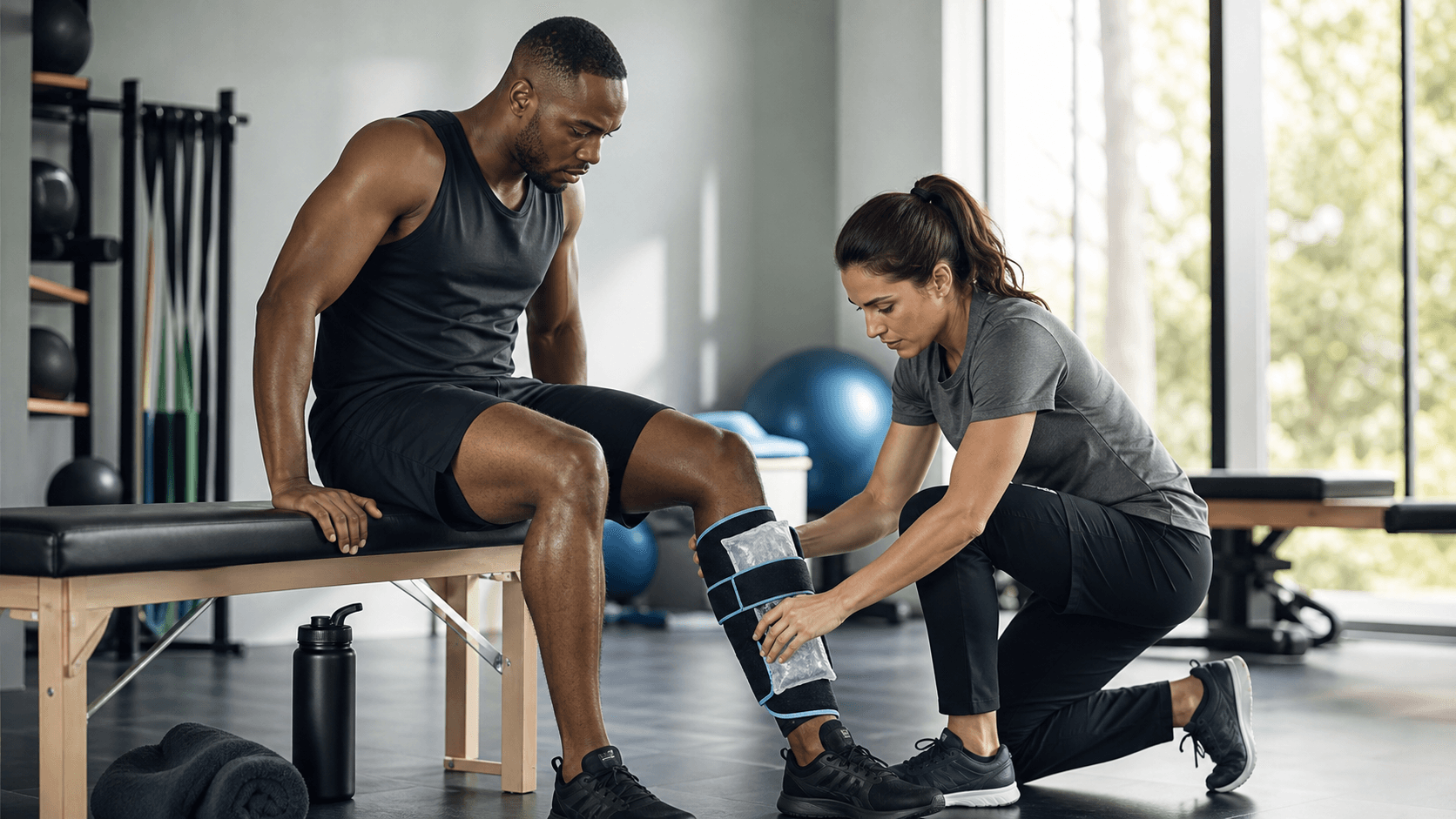
- Ice bags and frozen gel packs
- Cold water immersion or ice baths
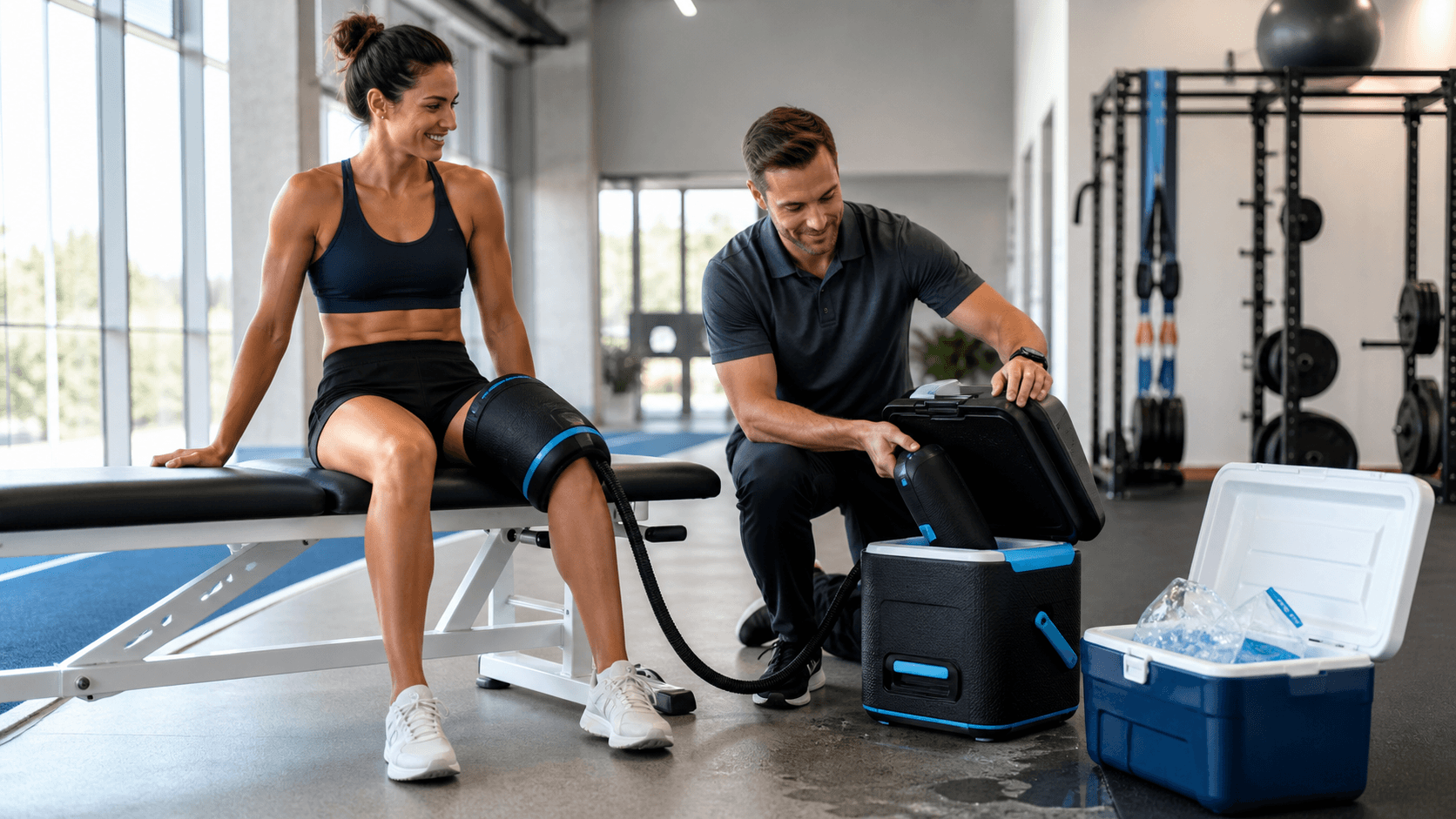
- Advanced circulation and compression systems
Ice bags and gel packs are easy to find and simple to use. They can help cool a sore area, but they often give uneven cooling, and the actual temperature can swing a lot. If they are too cold or left on too long, they may irritate the skin or even cause frostbite.
Ice baths and cold tubs cool a whole limb or even the whole body. Some athletes like them after very hard sessions. The challenge is that temperature and duration can be hard to control precisely, and getting in and out is not always practical for daily rehab at home.
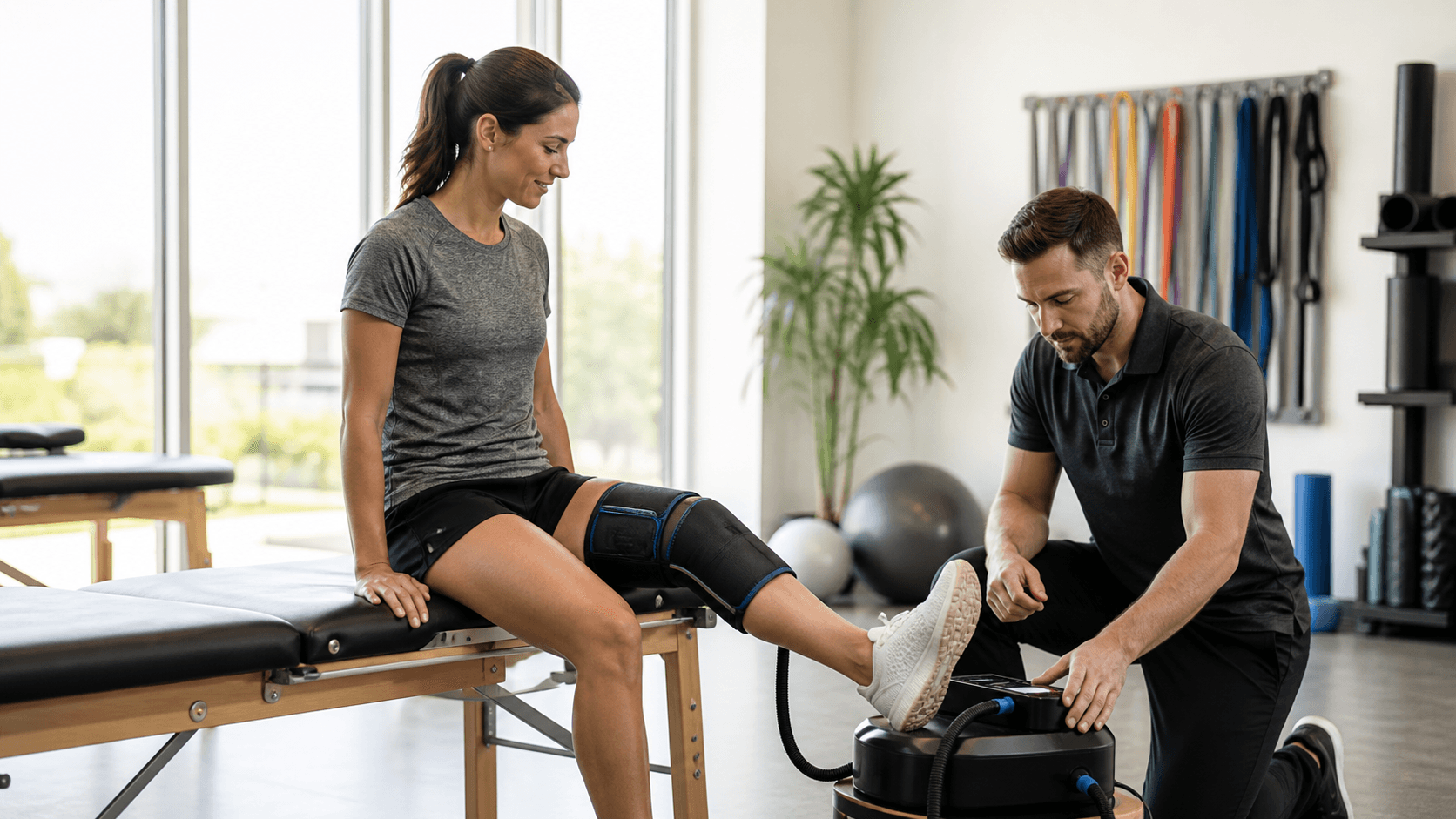
Advanced cold and compression devices are built to give more consistent temperatures, targeted joint coverage, and controlled compression. They often include safety settings and clear timing options, which can fit well in clinics, training rooms, and structured home programs.
Rehabilitation cold therapy can play different roles across phases:
- Acute injury: short, gentle, possibly more frequent sessions, guided by a professional
- Mid-rehab: post-session recovery to help manage swelling and soreness
- Late-stage: after heavy practice, scrimmages, or return-to-play testing to support comfort
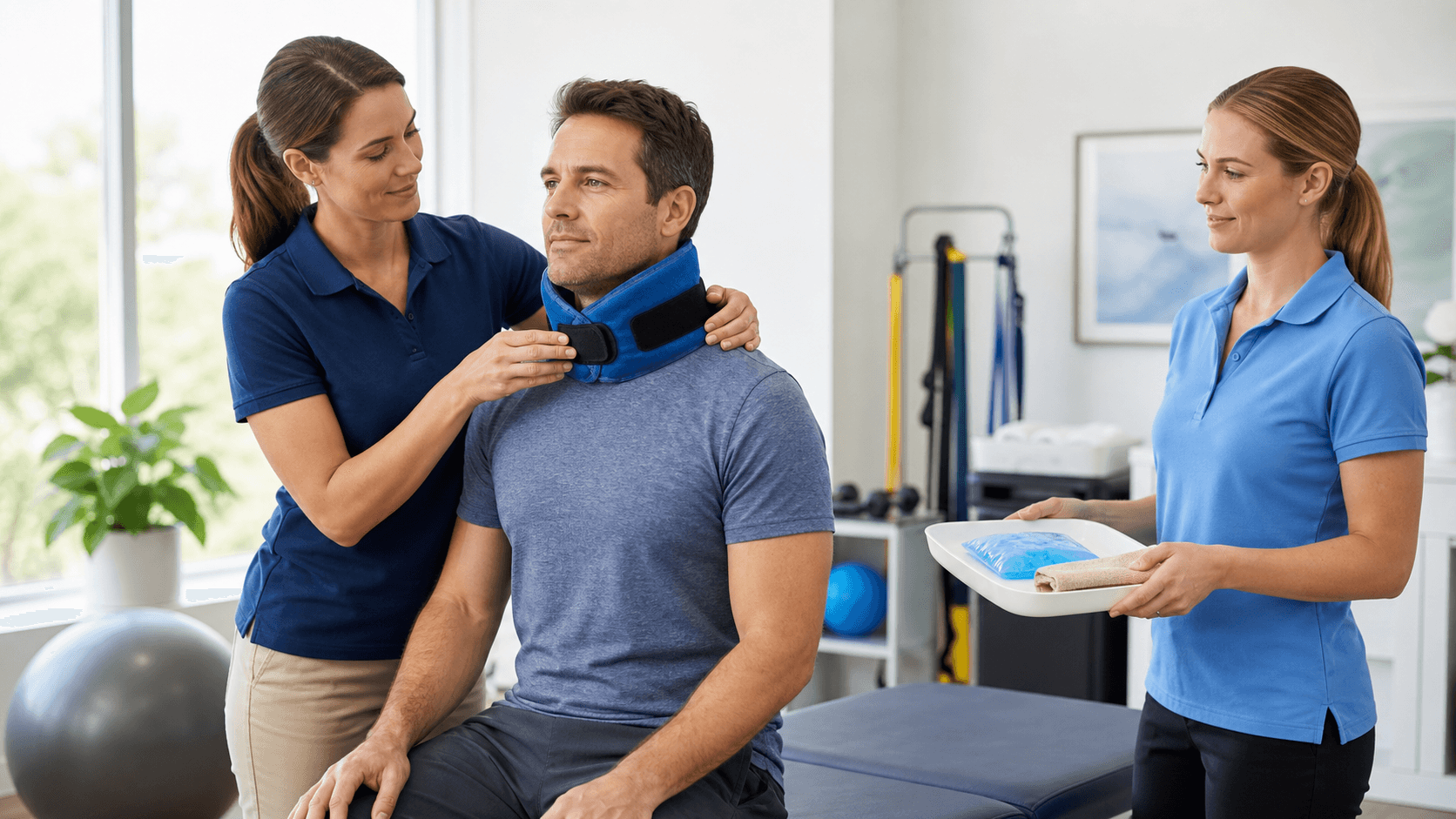
Safety needs to stay at the center. Always use a barrier between skin and cold surfaces, follow device directions, and stop if you notice sharp pain, strong numbness, or unusual skin color changes.
Using Cold, Heat, and Contrast the Right Way
Cold is not the only temperature tool. Heat can also support recovery when used at the right time and with medical guidance. In later stages of rehab, heat may help:
- Ease joint stiffness before stretching or light exercise
- Improve comfort during gentle warm-up activities
- Support tissue mobility as range of motion improves
Contrast therapy, which alternates cold and heat, is often used in late rehab and return-to-play phases. Some athletes feel it helps with circulation, perceived recovery, and mental readiness around heavy training days.
A simple way to think about sequencing is:
- Early after an acute injury or surgery, cold tends to be the main focus to help with swelling and pain
- As healing moves forward, heat or contrast may be added to support mobility, with cold still used after intense sessions or long practices
Integrated systems, like those we develop at ORX Healthcare, are designed to provide precise temperature ranges and smooth transitions between cold, heat, and contrast. This can help clinicians and athletic trainers match the mode to how the tissues are responding on that specific day.
Turning Cold Therapy Into a Daily Recovery Habit
Rehabilitation cold therapy works best when it is part of a steady routine, not a last-minute scramble before a big game. A simple daily checklist can help athletes stay on track:
- Confirm that you have medical clearance for that day's plan
- Choose cold, heat, or contrast based on your provider's guidance
- Set clear time limits before you start
- Protect the skin with the right barrier or wrap
- Take a moment to note how the joint feels before and after
Late-summer and preseason schedules can be packed, especially in warm regions where heat and humidity are high. Helpful habits include:
- Blocking out recovery time around practices and lifting sessions
- Using guided cold therapy in the evening to manage soreness before early-morning workouts
- Staying hydrated so joints, muscles, and connective tissue are better supported
Communication matters. Athletes should talk with their care team about how rehabilitation cold therapy feels, any odd symptoms they notice, and how they are performing in drills and practice. That feedback helps staff adjust the plan and the temperature "dose" over time.
At ORX Healthcare, we focus on performance-driven temperature and compression systems that are designed to support this kind of precise, day-to-day recovery work, whether in the training room, clinic, or at home. Used as part of a complete rehab plan, smart cold therapy can help athletes return with more confidence while taking care of their long-term joint and tissue health.
Accelerate Recovery With Targeted Cold Therapy Solutions
If you are ready to support patients with safer, more consistent results, explore how our rehabilitation cold therapy solutions can fit into your care protocols. At ORX Healthcare, we design systems that integrate smoothly into your existing workflows while helping reduce pain and inflammation. Connect with our team to discuss your specific clinical needs or request more information when you contact us.