When Cold Therapy for Neck Pain Actually Helps
Cold therapy for neck pain can be a helpful tool when your neck feels tight, sore, or angry after a long day. It will not fix every problem in your spine, but it may calm things down so you can move, sleep, and get through your day with less discomfort.
Neck pain is extremely common. Long screen time, heavy training loads, stress, long flights or drives, and poor sleep positions all add up. Late summer often makes this worse: sports ramp up, people squeeze in travel, and students head back to long hours at a desk. That is why this is a smart time to build a clear recovery plan that includes the right kind of temperature therapy.
Cold therapy means putting controlled cold on the area that hurts. This can be an ice pack from your freezer or a more advanced system designed for medical or performance use. Cold therapy for neck pain can ease symptoms and support recovery, but it does not repair every cause of pain. Ahead, we will walk through what cold can really do, what it cannot do, and how to match it with heat, movement, and smart habits for better neck performance over time.
How Cold Therapy Works on Sore Neck Muscles
Cold therapy works by changing what is happening in your neck tissues for a short period of time. When you cool the skin and tissues under it, the blood vessels usually narrow. This is called vasoconstriction. Tighter blood vessels may help limit swelling and fluid build-up around irritated muscles and soft tissue, which can make the area feel less puffy and sore.
Cold also affects nerve activity. Nerves send pain signals from your neck up to your brain. With lower temperatures, those nerves may fire less often. That can dull sharp pain, take the edge off a throbbing ache, and help tense muscles relax after a long drive, hard practice, or a rough night of sleep.
The details matter, though. Temperature that is too cold or applied for too long can be a problem. It may:
- Irritate or damage the skin
- Make muscles feel stiff or slow if overdone
- Interfere with healthy blood flow that your tissues still need to heal
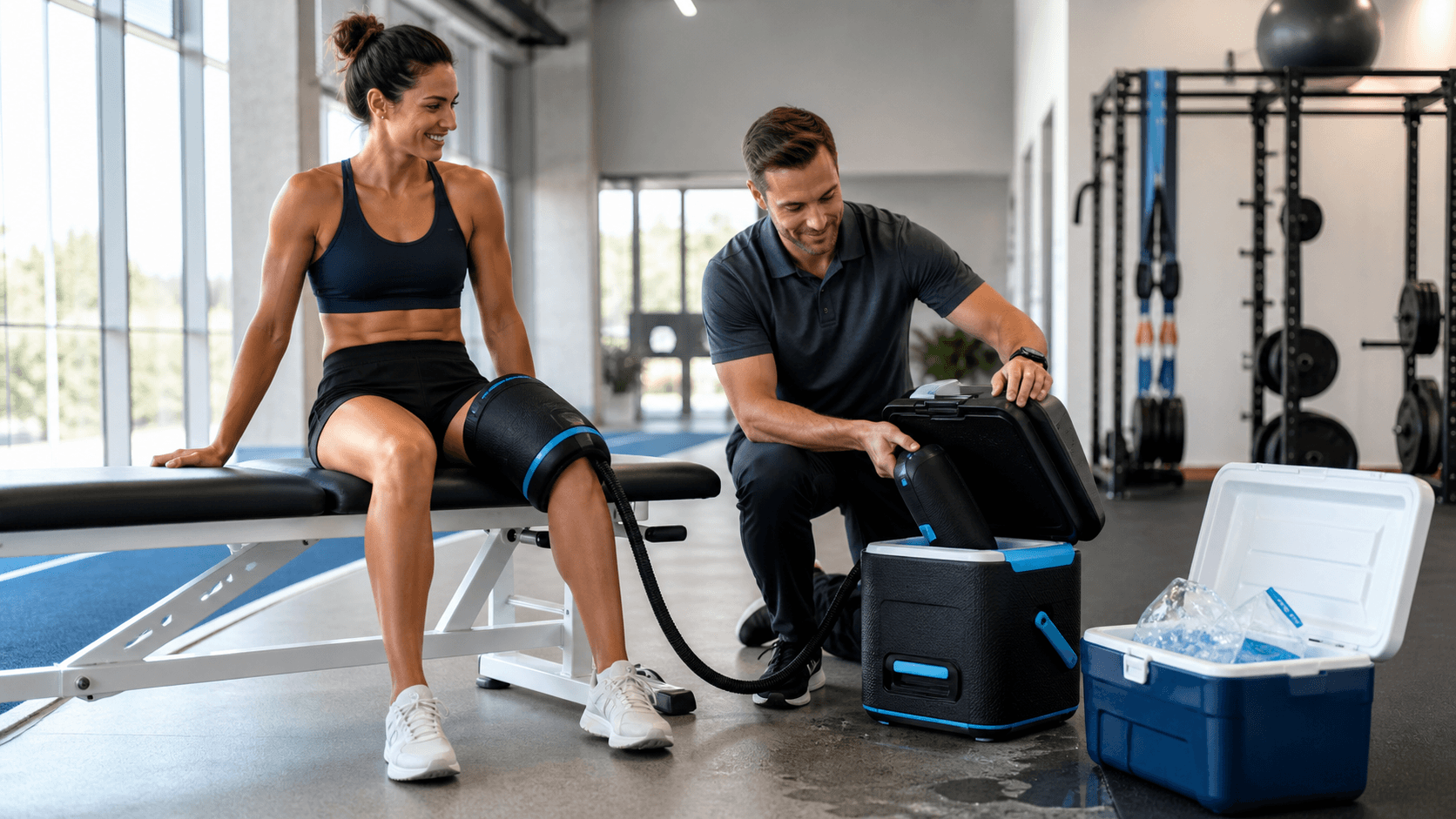
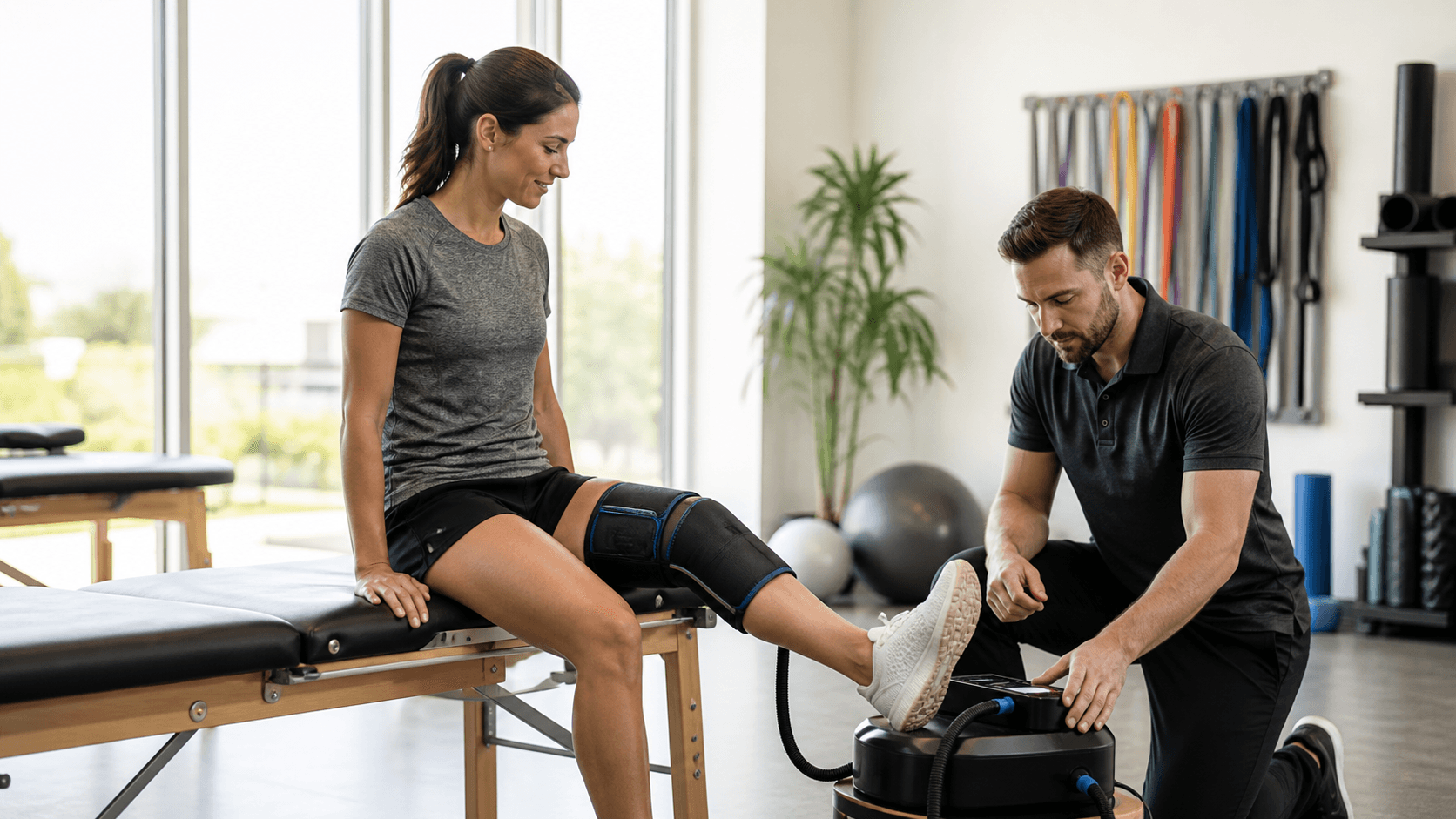
This is why precise temperature control is important. Controlled cooling is designed to keep therapy in a range that supports recovery, not shock the tissues. Advanced devices can hold a steady, preset temperature, so you do not guess how cold is too cold or keep moving a dripping bag of ice around your neck.
What Cold Therapy for Neck Pain Can Realistically Do
Cold therapy for neck pain is best viewed as a short-term helper, not a long-term cure. When used correctly, it may support several key goals.
- Symptom relief
In the first 24 to 72 hours after a strain, tweak, or flare-up, cold may help:
- Reduce sharp or stabbing pain
- Take the edge off a constant ache
- Lower that hot, throbbing feeling in the area
When pain is quieter, it is usually easier to turn your head, find a comfortable position, and rest.
- Inflammation and swelling
After a minor soft tissue injury, the body sends fluid and inflammatory chemicals to the area. This response is part of healing, but too much swelling can feel tight and limit motion. Controlled cooling around soft tissues in the neck may help:
- Decrease local swelling for a short time
- Lower tissue temperature so the area feels calmer
- Make gentle stretches and basic movement more comfortable
- Performance and daily function
Athletes, active adults, and busy professionals often want to bounce back as fast as is safely possible. When cold therapy is part of a broader plan from a clinician or performance staff, it may help you:
- Return to training sessions with less neck discomfort
- Handle long work days at a desk with fewer flare-ups
- Tolerate travel and sleep shifts with a calmer neck
Cold alone is not the full plan, but it can be a helpful piece that supports your overall recovery program.
What Cold Therapy Cannot Fix on Its Own
Cold therapy has limits, and it is important to respect them.
It does not correct structural problems in the spine. If you have a herniated disc, spinal instability, significant arthritis, or nerve compression, cold therapy may ease some pain, but it cannot move bones, open up space around nerves, or reverse wear in your joints.
Cold also is not the right answer for persistent or unexplained pain. If neck pain:
- Lasts more than one to two weeks
- Radiates into your shoulder, arm, or hand
- Comes with numbness, weakness, headaches, or fever
then a medical evaluation is important. A clinician can rule out serious issues and guide the safest treatment options for you.
Finally, cold cannot fix movement patterns. Poor posture, weak stabilizing muscles in the upper back, or repetitive overuse from training or work will keep causing trouble if you only cool the area. These problems usually require:
- Targeted strength and stability work
- Mobility and stretching programs
- Ergonomic changes to your desk, car, or sleep setup
- Sometimes, guided physical therapy
Cold therapy for neck pain is support, not a substitute, for these deeper changes.
Choosing the Right Neck Recovery Strategy
So when should you use cold, when should you use heat, and when does contrast make sense?
A simple rule many clinicians use as a starting point:
- Cold: first 48 to 72 hours after a new strain or sudden flare, or after intense activity when the neck feels hot, puffy, or sharply painful
- Heat: later on when soreness is more about stiffness and tight, guarded muscles, especially before mobility work
- Contrast therapy: alternating cold and heat, usually under guidance from a healthcare or sports medicine professional
At home, people often reach for bagged ice, frozen peas, or a gel wrap. These can help, but they tend to:
- Warm up quickly
- Slip around on the neck and upper back
- Make it hard to control the exact temperature
More advanced systems are built to deliver precise cold therapy for neck pain, sometimes with integrated compression. Compression can support comfortable contact with the skin and help manage swelling in a more even way.
Whatever method you use, safety comes first. General tips include:
- Follow timing guidance from your clinician, often, around 10 to 20 minutes per session
- Place a barrier between cold sources and bare skin if advised
- Check your skin often for unusual redness, pale spots, or loss of feeling
- If you have circulation problems, diabetes, or nerve issues, use cold only under medical supervision
Turning Neck Relief Into Long-Term Performance
Cold therapy works best when it sits inside a bigger performance plan. That plan might include:
- Regular mobility work for the neck, shoulders, and thoracic spine
- Strength training for the upper back, shoulder blades, and core
- Smarter screen habits, like better monitor height and break timing
- Sleep positions that keep your neck in a more neutral line
At ORX Healthcare, we focus on performance-centered medical technology. Our temperature therapy and compression devices are designed to help clinicians, athletic programs, and serious at-home users apply more precise, consistent cold, heat, and contrast therapy to areas like the neck and upper back. When technology-driven recovery lines up with good training, smart posture, and quality sleep, the goal is not just less pain, but more confidence to train, compete, travel, and work without your neck calling the shots.
Find Fast Relief From Neck Pain With Targeted Cold Therapy
If neck pain is limiting your day, we are here to help you take the next step toward relief. Explore how our specialized cold therapy for neck pain solutions can support your recovery and daily comfort. At ORX Healthcare, we work with you to identify options that fit your routine, whether you are managing a recent injury or chronic discomfort. If you have questions or want personal guidance, simply contact us so we can talk through the best approach for your needs.