Turn Tendon Pain Into a Strategic Advantage
Cold therapy for tendonitis can be a smart tool, not just a bag of ice when things hurt. When training loads are high and the schedule is packed, the goal is simple: keep power up while keeping tendon pain under control.
Think about a late-season playoff push or a camp week with two practices a day. Tendons are already stressed, then the volume spikes. Resting completely is not really an option, but pushing through every ache can backfire. This is where a planned cold strategy can help support the work you are already doing in the weight room, on the field, and in rehab.
Tendonitis is basically irritation from overuse. A tendon connects muscle to bone, so when it gets irritated, you feel pain, stiffness, and a drop in pop. You see it in shoulders, elbows, knees, and Achilles, especially in high-demand athletes who jump, sprint, cut, throw, and hit day after day.
At higher levels, even a small loss in power or speed can change minutes played, rankings, or roster spots. Cold therapy, when used on purpose with smart loading, compression, and skilled rehab, can support performance during heavy blocks. At ORX Healthcare, our focus is performance-driven medical temperature therapy that fits in clinic, on the sideline, and at home so athletes can keep building capacity while staying smart about pain.
What Tendonitis Really Does to Power and Performance
Tendonitis usually shows up when training stress outpaces tendon recovery. It can come from:
- Repeating the same high-load move across many days
- Big jumps in total volume or intensity
- Playing or training hard while already tired
- Coming back too fast after a break or off-season
When a tendon is irritated, it does more than just hurt. Pain can change how you move. You might land softer on one leg, shorten your stride, or avoid a full arm swing on a throw. That means less force from muscle to bone, and less power into the ground or into the ball.
Over time, that can show up as:
- Slower sprint mechanics and weaker push-offs
- Lower jump height or less stable landings
- Trouble with overhead lifts or serves
- Grip or elbow pain that limits speed on throws or strokes
Common areas for high-demand athletes include patellar tendons in jumpers and lifters, Achilles tendons in runners and field or court sports, and shoulder and elbow tendons in swimmers, throwers, and racquet athletes.
Two myths get a lot of athletes in trouble: that pain always means progress and that a short break will fix everything. Pushing through sharp tendon pain or just stopping for a week without a plan can let a short-term irritation turn into a long-term problem. A better way is a load management plus recovery model. That usually means guided strength work, adjusted training, and tools like targeted cold therapy that may help tendons recover between sessions.
How Cold Therapy for Tendonitis Works in the Real World
Cold therapy for tendonitis is not random icing. It is controlled cooling of the area that hurts, used during flare-ups and during high-load phases.
In simple terms, cooling may help by:
- Slowing nerve signals for a short time, which can lower pain
- Causing blood vessels near the surface to tighten, which may help limit extra swelling after intense work
- Reducing pain enough that rehab moves feel smoother and more normal
There is a big difference between a quick ice pack that slides around and a planned, steady cold session. Temperature control, contact quality, and time on tissue all matter. Strategic cold is usually:
- Cold enough to feel, but not painful
- On long enough to have an effect, without numbing the skin too deeply
- Applied in a way that actually fits the tendon shape and joint line
Cold therapy should never replace training or rehab. It works best as part of a full plan that includes strength, mobility, modified loading, and skilled medical input. Current evidence suggests cold can help lower short-term pain and swelling for tendon problems, but it needs to be adjusted to each athlete and guided by sports medicine pros.
Building a Smart Cold Therapy Routine Around Training
Cold therapy works best when it is built around your actual training week.
Good times to use it include:
- Right after practice, lifting, or games for sore, irritated tendons
- After high-impact or high-load days, like heavy squats for patellar tendons or hard sprint days for the Achilles
- On travel days after long bus or plane rides when joints feel puffy
Some athletes feel stiff if they use deep cold right before they need to be explosive, so pre-event choices should be made with their medical team.
General dosing often looks like:
- Around 10 to 20 minutes of controlled cooling per area
- Enough to cool the tissue, but not so long that the skin feels numb or burning
- Short, regular sessions instead of one extra-long marathon icing block
Cold pairs well with compression. Compression around the tendon and joint may:
- Limit excess fluid buildup
- Support joint feel and control
- Help the cold reach tissue more evenly
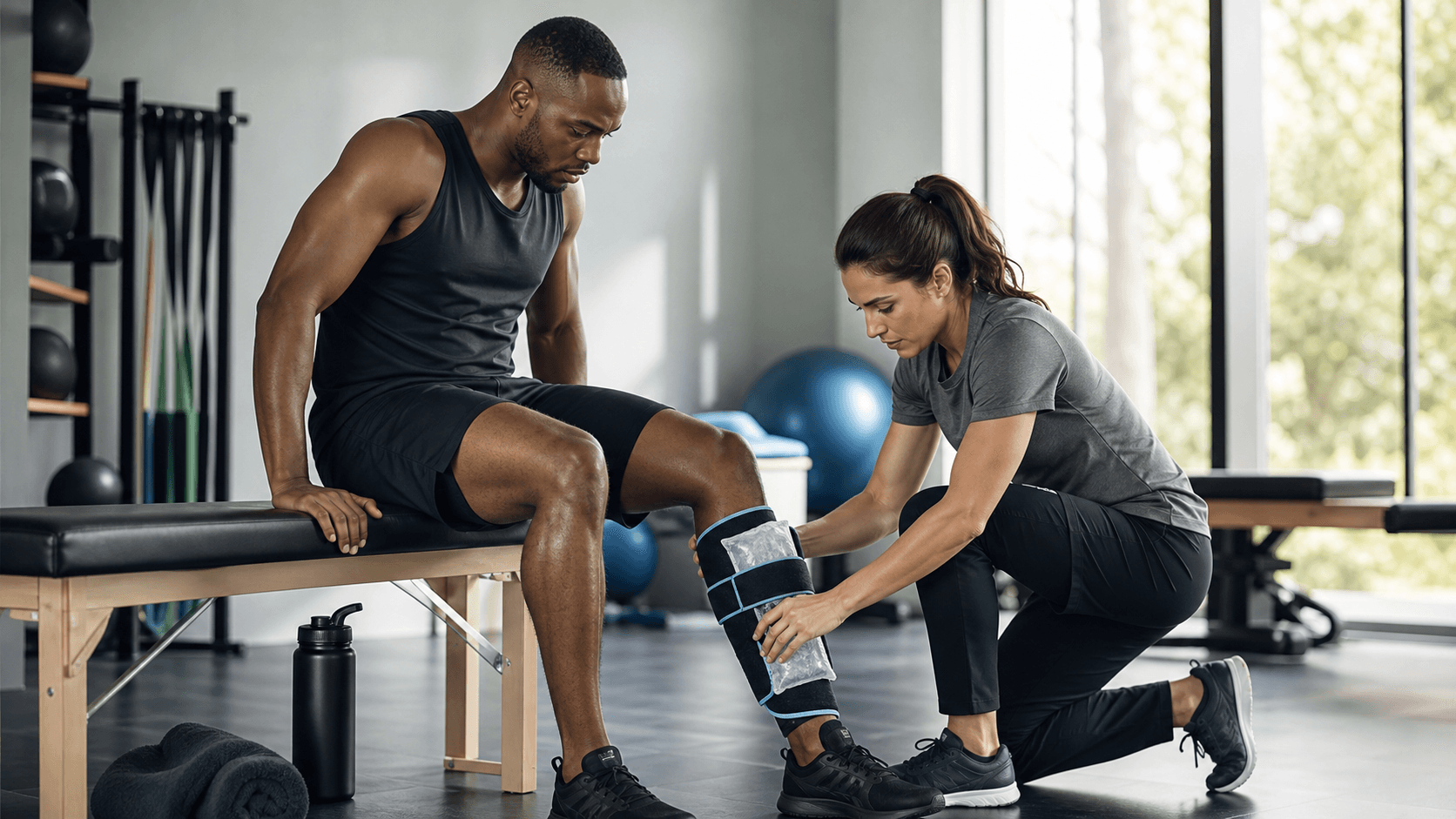
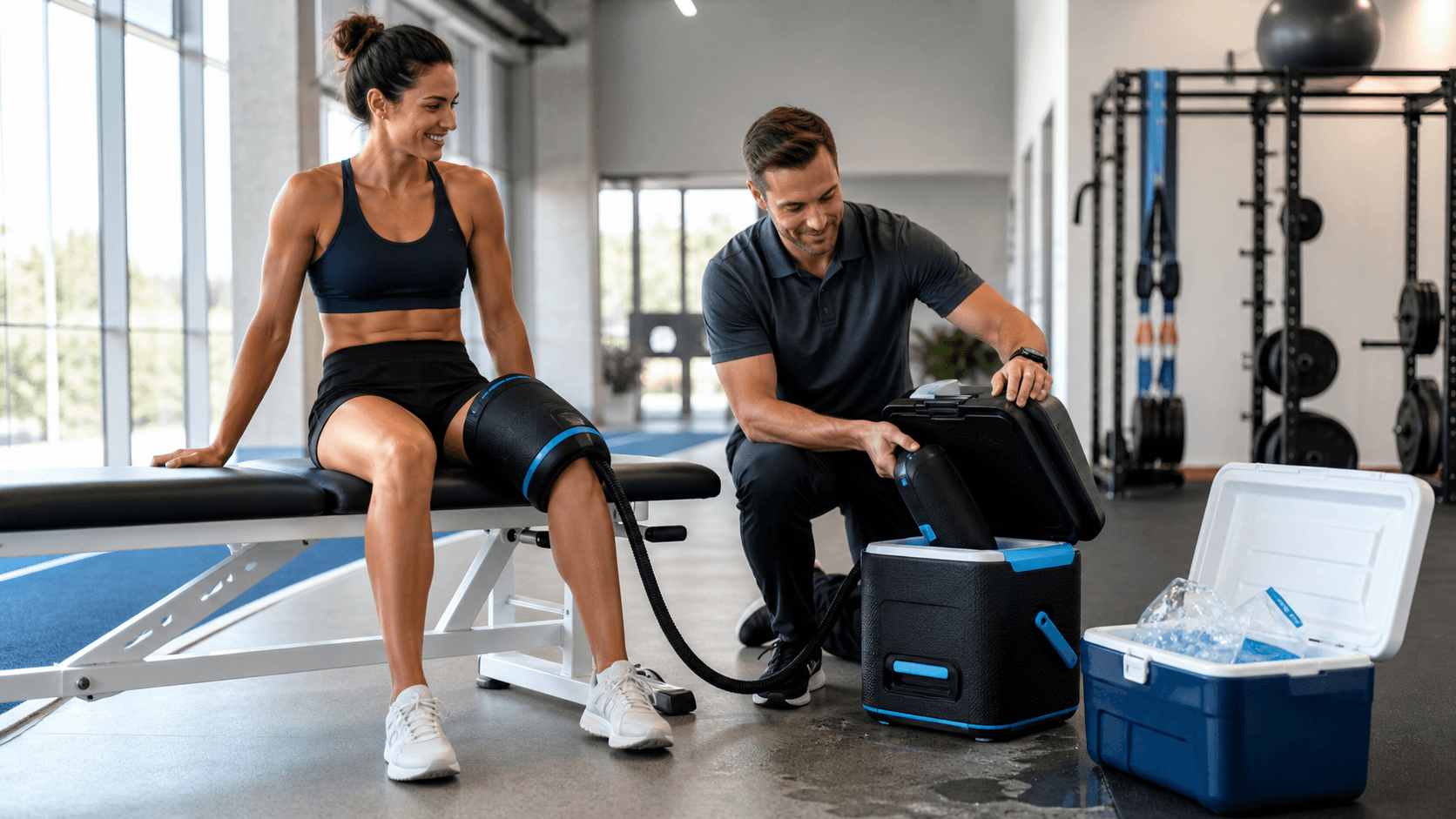
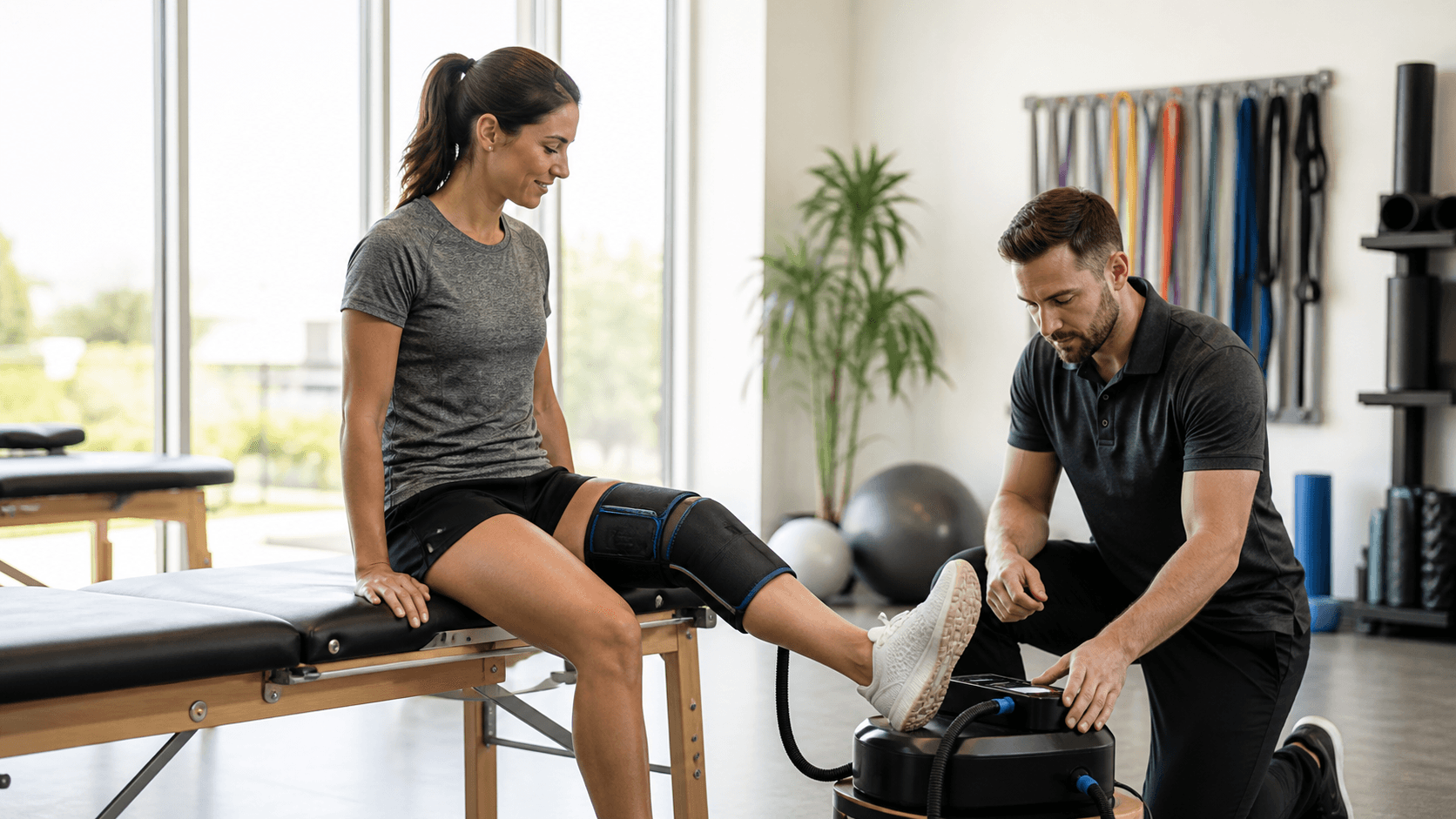
Combined cold and compression systems can let athletes recover while they hydrate, eat, watch film, or ride home from an away game.
Cold therapy should sit beside other key recovery habits: good sleep, steady nutrition, progressive loading, soft-tissue work when advised, and active recovery days. Safety always matters: do not put intense cold on damaged skin, always check for changes in sensation, and follow guidance from team medical staff.
Cold Therapy for Tendonitis Across the Season
Fall is a heavy stretch for many sports. Games and meets stack up, fields get slick, and temps can shift fast, especially in cooler regions. Tendons feel that mix of surface changes, weather, and rising volume.
In-season, the goal is to manage symptoms so athletes can hit the schedule:
- Use cold therapy for tendonitis after games and key practices to help calm flare-ups
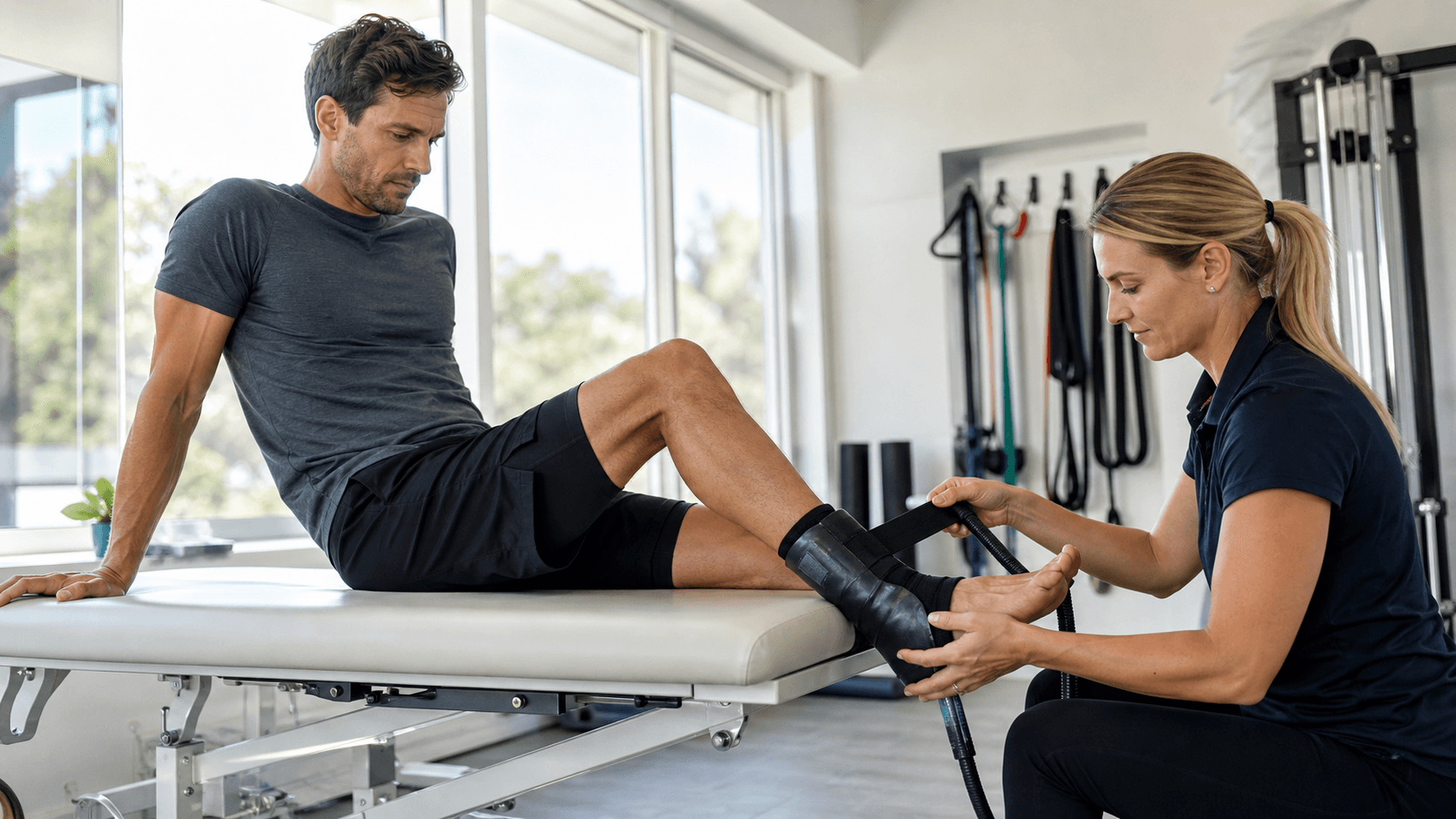
- Focus on the most stressed tendons, like patellar tendons for jump sports or Achilles for field and court players
- Support back-to-back game days and tournaments where rest windows are short
Off-season and preseason are different. Now the goal is to build tendon capacity while still controlling pain:
- Plan cold sessions after heavy plyometric blocks and strong lifting cycles
- Use cooling as a steady tool after load spikes while strength and staff guide volume
- Adjust frequency as the body adapts and symptoms change
Travel adds another layer. Multi-game weekends, showcases, and long flights or drives can boost swelling and stiffness. Portable cold and compression setups help athletes keep the same recovery routine on the road that they have at home or in the training room.
Different athletes need different approaches. Pros and elite college players may be managing long-term tendon issues while holding very high performance demands. High school and club athletes often have dense game schedules with less regular access to full-time medical staff. For all of them, regular check-ins with coaches and clinicians help decide how often to use cold, how long, and where it fits in the weekly plan.
Bringing Performance-Grade Cold Therapy Into Your Program
Cold therapy is one pillar in a full tendon strategy, not a magic fix. It works best when it fits into a system that also includes:
- Smart, progressive strength work for tendons and surrounding muscles
- Clear load management across practices, games, and lifting
- Quality sleep and nutrition habits
- Regular check-ins with sports medicine professionals
Basic ice can be a short-term tool, but there are times when higher-level systems make more sense, like when tendon pain keeps coming back, when it is affecting key events, when multiple athletes need care, or when athletes need at-home or travel recovery that feels close to what they get in a training room.
At ORX Healthcare, we focus on temperature-therapy and compression systems designed for performance settings. Our solutions are built to deliver targeted, consistent cooling intended to support tendon and joint recovery after tough sessions, with integrated compression options that may help manage post-training swelling. Setups are made to work in clinical spaces, athletic facilities, and at home so athletes can follow one aligned approach across their full week of training and recovery.
Take The Next Step Toward Lasting Tendon Relief
If you are ready to address tendon pain with a targeted solution instead of temporary fixes, our team at ORX Healthcare is here to help. Explore how our specialized cold therapy for tendonitis can fit into your recovery plan. If you have questions or need guidance choosing the right option, simply contact us and we will walk you through your next steps.