Turning Your Home Into a High-Performance Recovery Lab
Serious athletes train hard, often twice a day, in heat, rain, or cold. With that kind of load, recovery is no longer a nice extra; it is part of the work. The sessions you can handle tomorrow depend on how well you recover tonight. That is where at-home cryotherapy devices start to matter.
More athletes are bringing recovery tools into their homes so they are not limited to training room hours. You can finish a late practice, get home, and still give your knees, ankles, or shoulders the care they need. But not every cold device is built for serious performance. Some offer true, controlled therapy. Others are basically fancy ice packs.
At ORX Healthcare, we design medical temperature-therapy and compression systems for clinicians, athletic programs, and home users who care about performance. Here, we want to share how to think about at-home cryotherapy in a smarter way, so your setup works like a mini recovery lab, not just a pile of ice bags in the freezer.
Why Serious Athletes Are Outgrowing Ice Bags and Ice Baths
Traditional ice is simple, but it brings a lot of problems once training gets intense. Ice bags slide around, melt fast, and often feel freezing at first, then barely cool ten minutes later. Ice baths are messy, hard to set up, and tough to repeat on busy days. When you are stacking workouts during summer heat, that kind of hassle does not last.
Serious athletes need recovery that is:
- Repeatable, so yesterday's session can match today's
- Measurable, so you are not guessing if it helps
- Targeted, so you cool the tissue that actually needs it
Sports science points to clear ranges for temperature, treatment time, and tissue depth. Random cold from a dripping ice bag rarely hits that sweet spot in a steady way. If you are training for college, club nationals, or pro tryouts, you cannot afford to guess.
Life also gets in the way. Early lifts, class or work, field sessions, travel tournaments, and late film review can stretch your day from sunrise to night. That leaves less access to the training room and more pressure on what you can do at home.
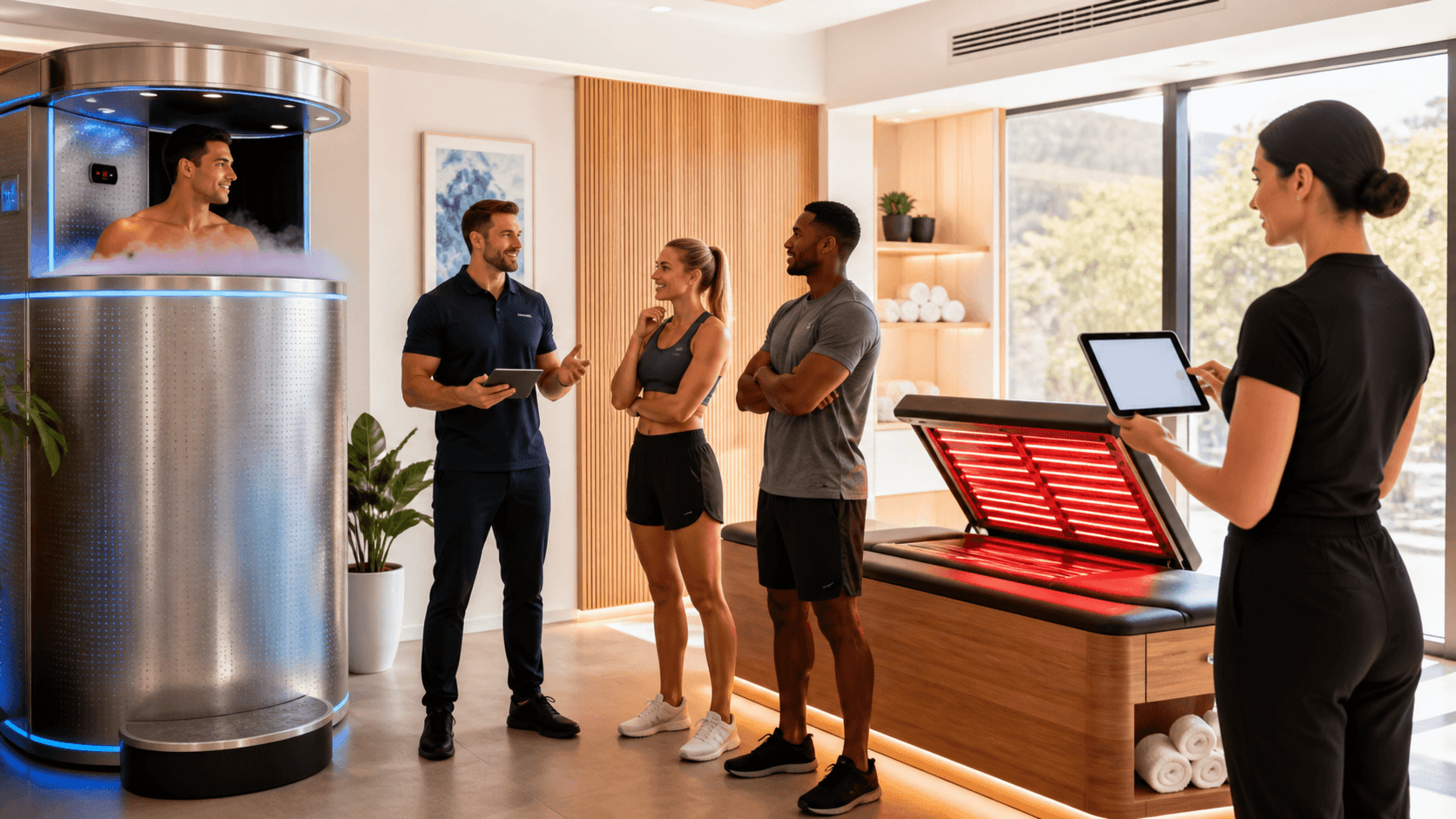
As a result, at-home cryotherapy devices are popping up everywhere. Some are simple consumer gadgets. Others are based on medical designs you might see in a clinic or training facility. The gap between those tiers is wide. As competition picks up through summer camps and showcases, that gap in recovery quality can show up as stiffness, nagging pain, or missed sessions.
What Really Matters in at-Home Cryotherapy Devices
If you are thinking about at-home cryotherapy devices, it helps to judge them by performance standards, not just how cold they feel at first touch.
Key performance points to consider:
- Precise temperature control across a set range
- Consistent cooling over the whole treatment area
- Ability to hold a therapeutic temperature for the full session
Cold should not spike at the start and fade halfway through. You want steady control, so the tissue cools to a helpful level and stays there for the right amount of time.
Fit and coverage also matter more than many people expect. The best systems use wraps shaped for specific joints like the knee, ankle, shoulder, hip, or back. Good straps hold them snug without cutting off circulation. That kind of design lets you treat while sitting at a desk, eating dinner, or doing light mobility, instead of lying still, afraid the ice bag will slide off.
Safety and comfort are non-negotiable:
- Built-in limits that reduce risk of overcooling
- Moisture control so your skin is not soaking wet
- Simple controls that make setup fast and clear
If a device feels confusing or annoying to use, you will skip it when you are tired, which means you lose the benefit right when you need it most. Durability is another big deal for serious athletes. Daily or twice-daily use, especially during hot summer two-a-days, can wear out weak gear quickly.
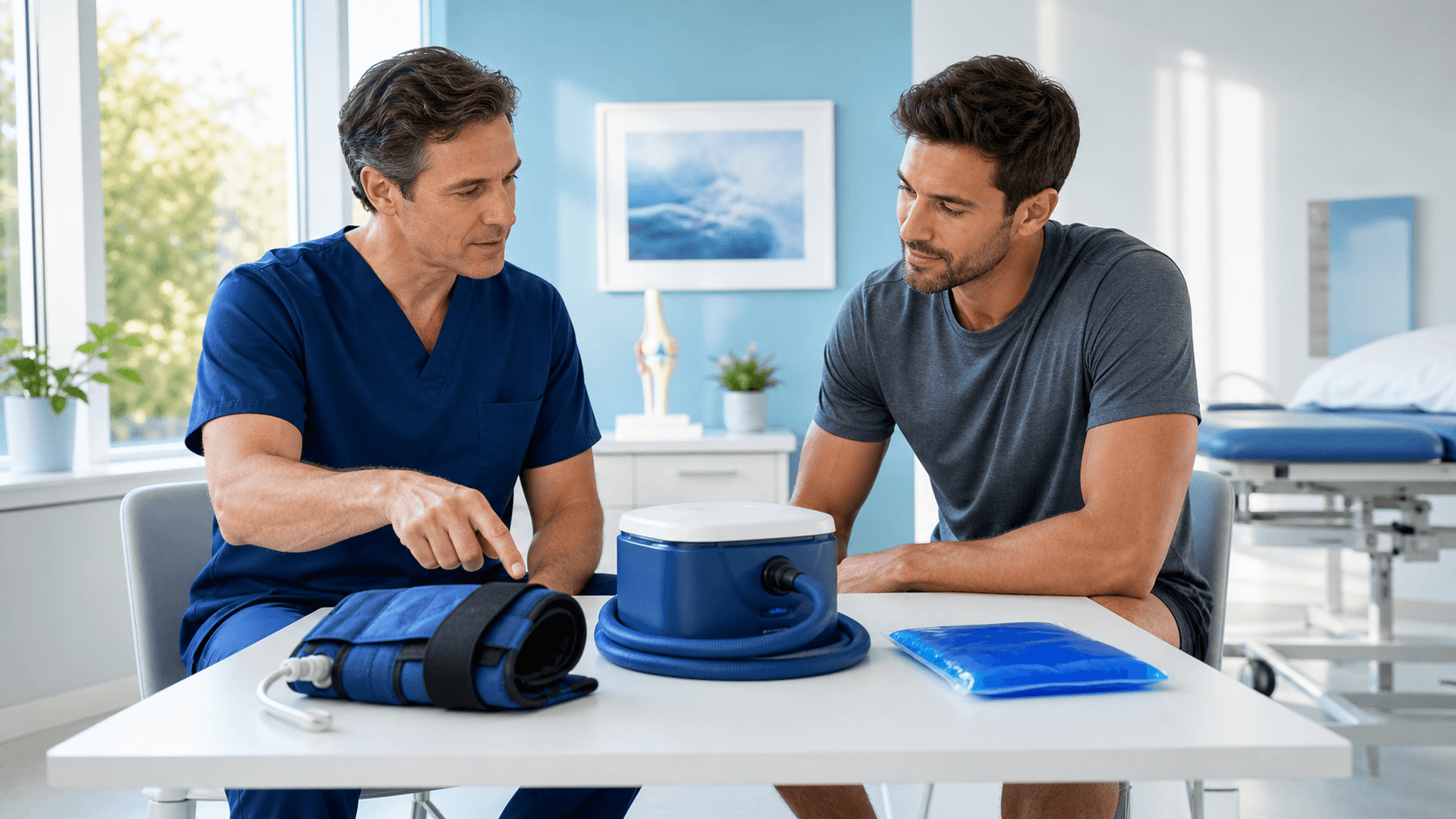
There is a premium tier of systems that bring clinical design into home ready formats. These are the ones based on what healthcare teams use, but sized and simplified for living rooms and bedrooms instead of just training rooms.
The Power Duo: Integrating Compression with Cold
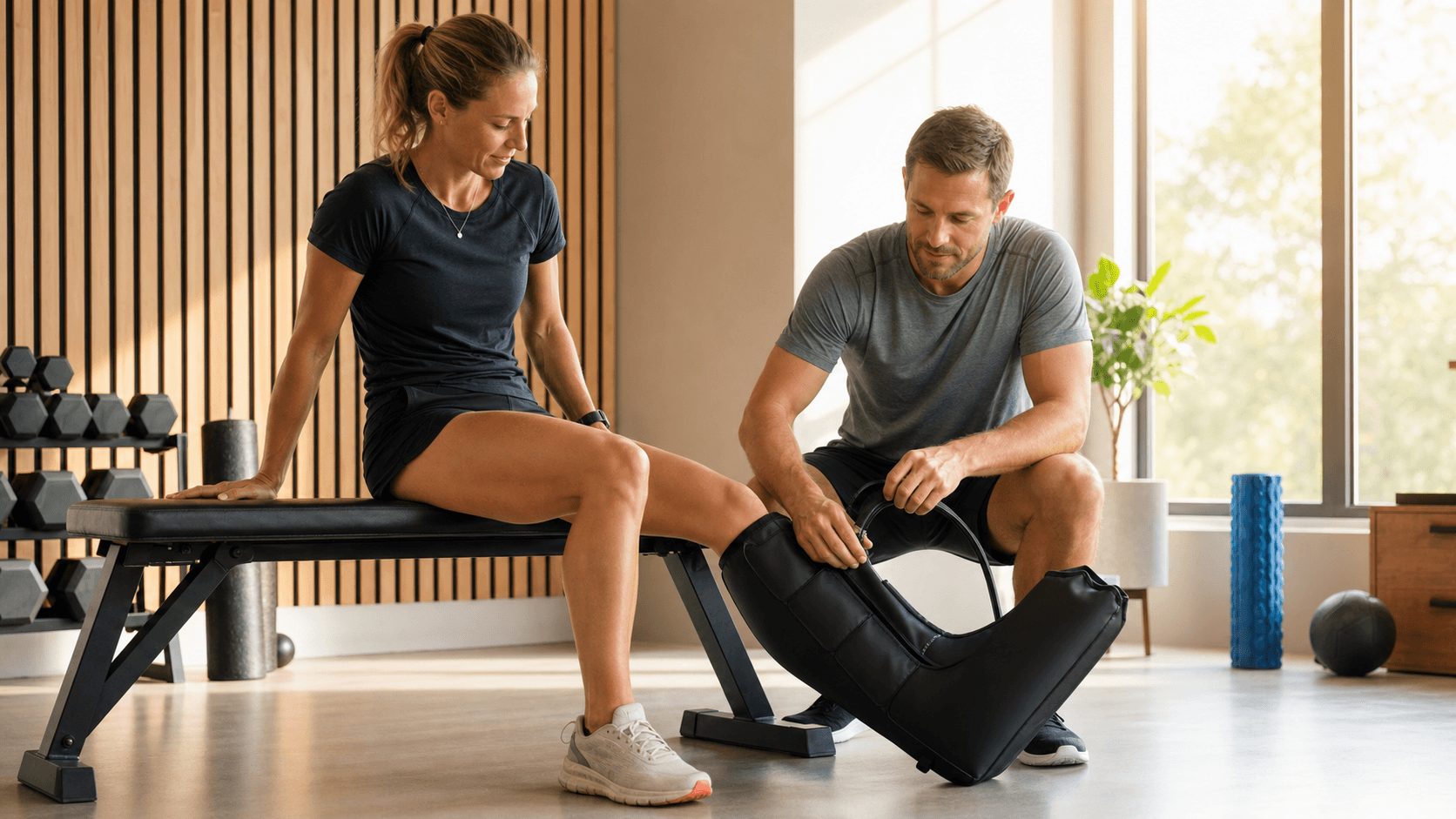
Cold alone can help, but cold plus compression often works better, especially for joints that tend to swell. Compression helps move fluid, improves contact between the wrap and your skin, and can support better cooling of deeper tissue.
Dynamic or adjustable compression can:
- Press the cold surface evenly against the area
- Reduce pockets of warm or cold spots
- Support blood and lymph flow back toward the trunk
This really matters after long tournament days, road trips where you sit for hours, or stacked training sessions where joints puff up and feel heavy. When cold and compression work together, the tissue often feels lighter and more ready for the next session.
Common use cases include:
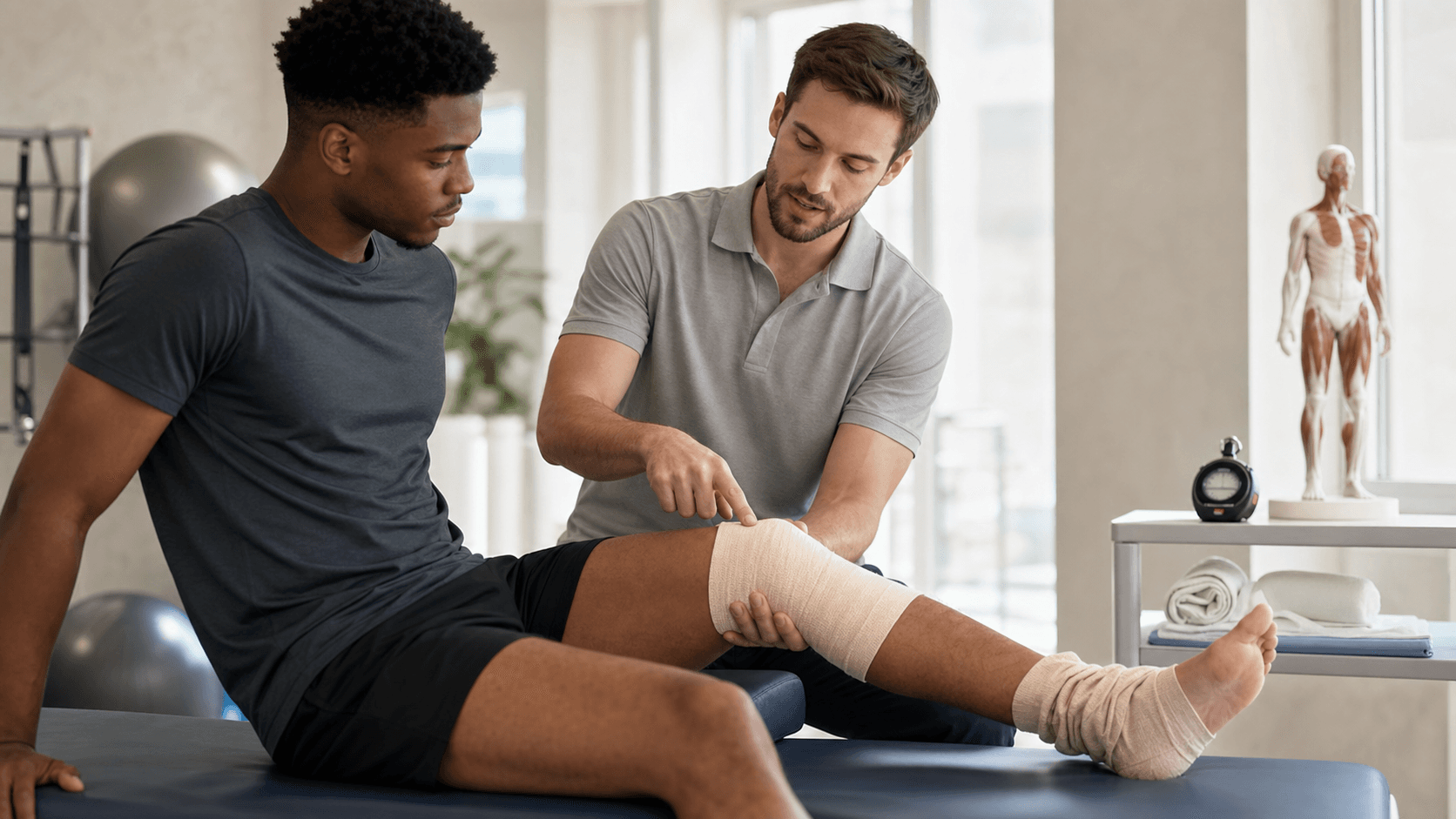
- Post-game joint swelling in knees or ankles
- At-home support after surgery as guided by a clinician
- Chronic overuse problems in shoulders or tendons
Over a long season, managing that cycle of swelling and soreness can be the difference between feeling sharp for key events and grinding through nagging pain. Advanced temperature-therapy and compression systems create a bridge between the training room and your living room, helping you keep "pro-level" habits every day, even when you are not on campus or with a full staff.
Smarter Summer Prep: Building a Cryotherapy Routine That Works
Early summer is when many athletes reset their habits. Training ramps up, events stack on the calendar, and heat adds stress to every session. This is the perfect time to build a simple, steady recovery plan at home.
A basic cold routine can look like this:
- Use cold after high-intensity or high-impact sessions
- Adjust duration based on how hard and how long you trained
- Focus on your most stressed joints or areas, not your whole body at once
The key is consistency. Treat recovery like you treat strength work or conditioning. Plan it into your week next to sleep, nutrition, mobility, and lifting. Cryotherapy is not magic; it is one pillar that works best when it supports the rest of your system.
You can track what is working by paying attention to:
- Daily pain or stiffness levels
- Swelling around key joints
- How ready you feel at the start of each session
- How quickly you bounce back from big days
Share what you notice with coaches, athletic trainers, or physical therapists. They can help tune the settings and timing so your at-home work lines up with your overall performance or rehab plan.
Upgrade Your Recovery Standard, Not Just Your Gear
The real question is not just whether you should use at-home cryotherapy devices. The better question is what standard of recovery you want to hold for yourself this season. If your training has moved to a higher level, your recovery tools should rise to match it.
When you look at a device, ask yourself:
- Does it offer controlled, consistent temperature, or just "cold"?
- Does it include meaningful compression, not just a tight strap?
- Is the wrap design specific to the body parts you use most?
- Are the safety and comfort features strong enough for daily, serious use?
A well-chosen system can support you across many seasons, different teams, and phases of your career. At ORX Healthcare, we build temperature-therapy and compression technology for clinicians, athletic groups, and serious home users who want professional-grade recovery standards in their own space. As summer training ramps up, it may be time to rethink your home recovery setup so it reflects how hard you work, how fast you want to bounce back, and how long you plan to stay in the game.
Experience Clinical-Level Recovery At Home
Explore our advanced at-home cryotherapy devices and bring powerful recovery, pain relief, and performance support into your daily routine. At ORX Healthcare, we design solutions that fit easily into your life while maintaining professional-grade quality and safety. If you have questions or need help choosing the right option, simply contact us and our team will guide you.